











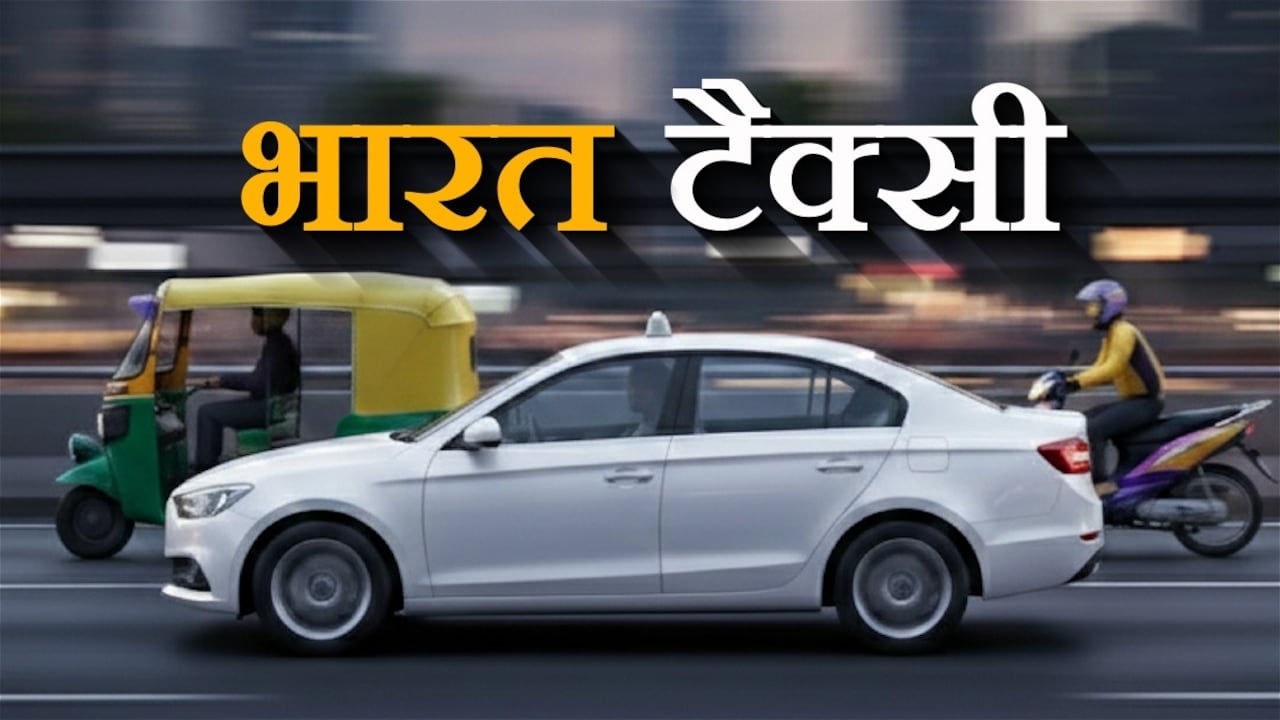
A new government‑backed taxi service, Bharat Taxi, has begun operating in Delhi today, marking a significant move into the urban ride‑hailing market by a cooperative platform. Billed by its promoters as a driver‑owned network, the service aims to offer affordable, reliable and safer journeys while challenging the dominance of private ride‑hailing firms.
Bharat Taxi app and services
The Bharat Taxi platform brings together cars, autos and bikes under a single app. Operators say more than 56,000 drivers have registered across Delhi and Gujarat, covering all three vehicle categories. Official rider and driver applications are now available on the Google Play Store and the Apple App Store. Passengers should ensure they download the app published by Sahakar Taxi Cooperative Limited to avoid similarly named third‑party applications.
The user interface provides real‑time cab tracking, driver details and transparent fare information before booking. These features are designed to reduce uncertainty for passengers and to allow families to monitor journeys in real time.

Fare policy and driver earnings
A central selling point of Bharat Taxi is its fare structure. The cooperative has ruled out surge pricing, which means fares will not fluctuate during peak hours or adverse weather. The model is intended to protect passengers from sudden fare spikes and to present a competitive alternative to private operators.
According to the cooperative, drivers will receive more than 80% of the fare they collect. The platform argues this split will boost driver incomes and improve service standards by reducing the pressure drivers face under some private platforms’ commission structures.
Safety and verification
Passenger safety is a priority. Bharat Taxi requires police verification for all drivers and has built standard safety tools into the app, including an emergency button, live location sharing and trip history. These measures are meant to reassure riders and to meet regulatory expectations for public transport services in urban areas.
Implications and challenges
The arrival of a government‑supported cooperative into the ride‑hailing sector may intensify competition and force private firms to reassess pricing and commission strategies. For consumers, the promise of stable fares and a driver‑friendly revenue share could deliver lower costs and better service availability.
There are, however, challenges ahead. The service launches in Delhi but is not yet national. Expanding beyond pilot regions will require sustained investment, robust app performance and consistent service quality. The cooperative must also manage brand confusion on app stores by ensuring users can identify the authorised application.
Operational logistics, such as driver onboarding, continuous background verification, dispute resolution and the handling of peak demand without surge pricing, will test the model. Success will depend on balancing driver earnings with affordable fares and maintaining a reliable supply of vehicles across all categories.
For now, Bharat Taxi presents a notable experiment in cooperative transport at a time when cities seek equitable and sustainable mobility options. Passengers in Delhi can download the official app and begin using the service immediately, while observers will watch closely to see whether the model scales and influences broader market practices in India’s urban mobility sector.
Key Takeaways:
- Bharat Taxi, a government‑supported cooperative cab service, begins operations in Delhi with over 56,000 drivers registered across Delhi and Gujarat.
- The platform offers car, auto and bike options, promises no surge pricing and aims to return more than 80% of fares to drivers.
- Official rider and driver apps are available on Google Play and the Apple App Store; users should ensure they download the cooperative’s authorised app.
- Safety features include police verification, emergency button, live location sharing and trip history.








