











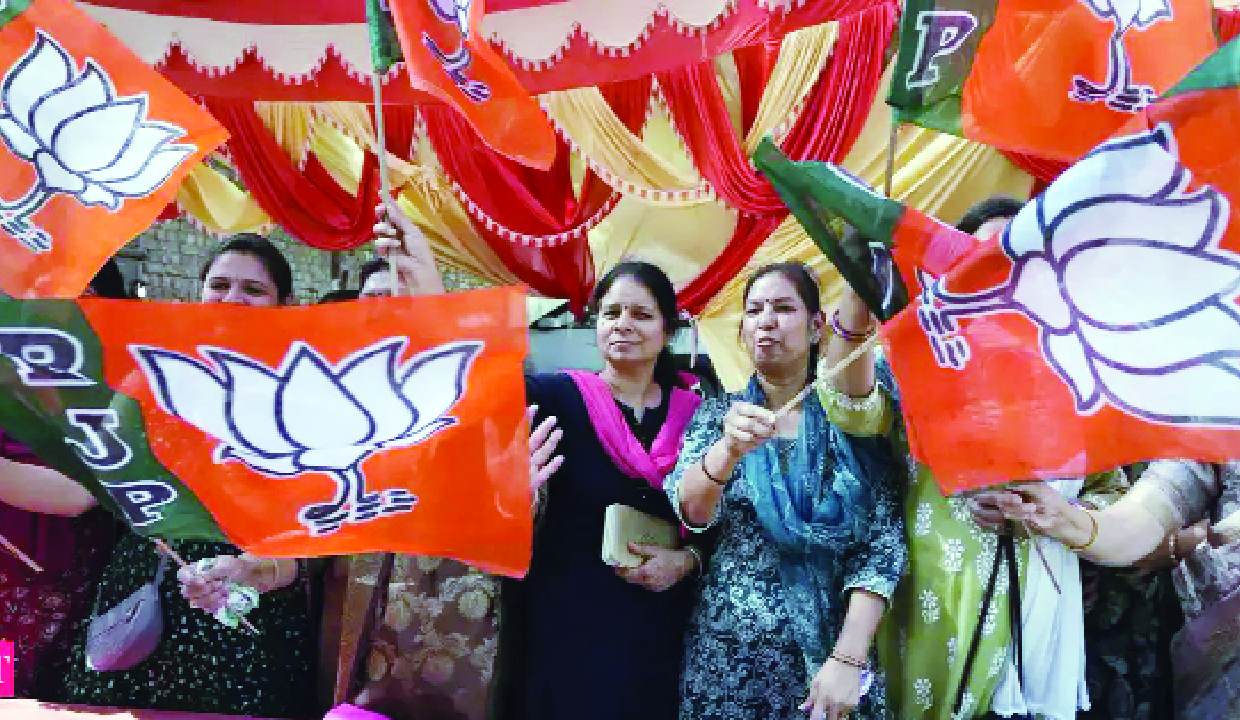
The Bharatiya Janata Party consolidated its position as India’s dominant political force in 2025, winning decisive victories in two high‑profile assembly elections and demonstrating an ability to manage allies, shape narratives and translate strategy into votes.
BJP electoral dominance and the road to 2026
In February the BJP returned to power in Delhi after more than 26 years, overturning the Arvind Kejriwal-led Aam Aadmi Party with a campaign focused on alleged corruption, promises of development and a meticulously executed ground strategy. The party’s messaging highlighted an alleged liquor‑related scam involving senior AAP figures, a line of attack that resonated with voters and helped deliver a clear mandate.
Later in the year, the BJP and its National Democratic Alliance partners achieved a landslide in Bihar’s assembly election, where caste calculations have traditionally shaped outcomes. The NDA won 202 of 243 seats, with the BJP emerging as the largest single party on 89 seats. The main opposition grand alliance managed just 34 seats, weakening the broader opposition narrative.

The Modi government’s decision to include caste enumeration in the next population census weakened criticism that the party ignored OBC and Dalit concerns. By addressing an emotionally charged issue that factors heavily into regional politics, the government reduced an important line of attack used by opponents and altered the terms of debate ahead of state polls.
Election integrity claims that surfaced after the Bihar vote were largely deflated when neither the Congress nor its allies filed petitions challenging the results. That absence of legal contestation lent additional legitimacy to the outcome and diminished allegations related to the Election Commission’s Special Intensive Review of rolls.
Yet despite the clear gains of 2025, the BJP faces a demanding calendar in 2026. State assembly elections are due in West Bengal, Assam, Tamil Nadu, Kerala and Puducherry — states with distinct political cultures and entrenched regional parties. West Bengal and Tamil Nadu in particular present steep challenges, where local issues and strong regional leadership remain decisive.
Political analysts note that while national narratives and central government initiatives helped in Delhi and Bihar, success in the upcoming polls will depend on nuanced local strategies, coalition management and candidate selection. The BJP’s capacity to adapt its messaging for regional electorates, and to manage alliances at state level, will be as important as its national strengths.
For now, the party’s 2025 results mark a year of consolidated power, providing momentum going into 2026. How that momentum translates in diverse and politically complex states will determine whether 2025 proves a turning point or simply a strong prelude to a tougher electoral year ahead.
Key Takeaways:
- BJP secured decisive victories in Delhi and Bihar in 2025, signalling strengthened national influence.
- The party embraced caste enumeration in the next census, blunting opposition criticism on OBC and Dalit issues.
- Despite landslide wins, BJP faces significant tests in 2026 assembly polls in West Bengal, Assam, Tamil Nadu, Kerala and Puducherry.








