











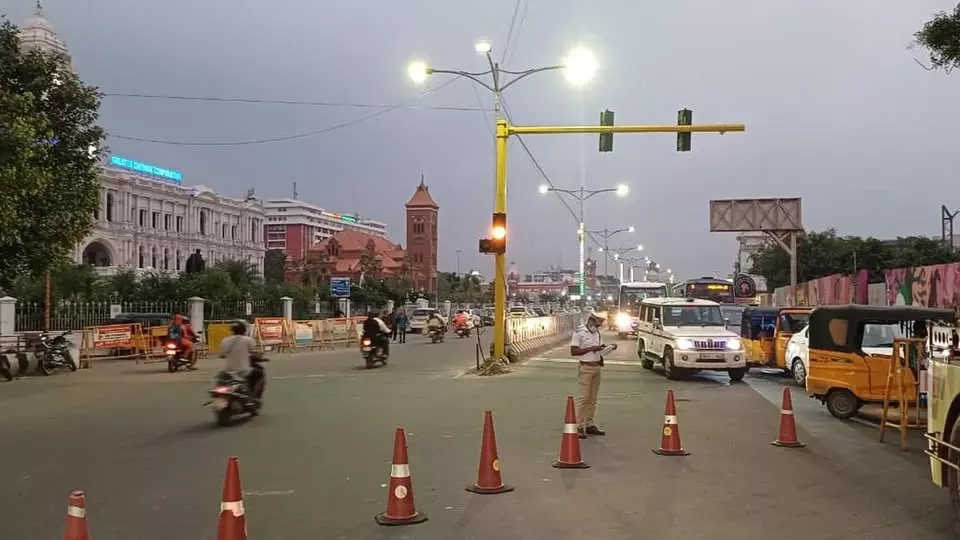
Chennai begins the year with pragmatic civic priorities as residents and officials weigh six practical wishes for a safer, cleaner and more resilient city. The proposals focus on water security, cleaner air, smarter monsoon management, greener public spaces, upgraded public transport and handling the stray dog challenge.
Water security sits at the top of the list. Local commentators call for better reservoir management, regular clearing of water hyacinth and removal of encroachments that reduce storage capacity. Enforcing rainwater harvesting in new and existing buildings could bolster supply during dry months and reduce pressure on municipal sources. Officials say a coordinated approach across neighbourhoods will be necessary to keep taps running through the year.
Air quality is the second major concern. Chennai generally benefits from a sea breeze that disperses pollutants, but pockets of severe pollution persist. Industrial suburbs such as Perungudi and Kodungaiyur experience sharp spikes, while areas near Manali and Ennore continue to report dust problems. Festivals such as Deepavali can cause short-term smog episodes, often only relieved by subsequent rains. Public health data shows rising respiratory complaints, prompting calls for stronger vehicle emission enforcement, campaigns to switch commuters to public transport and measures to prevent idling engines.

Chennai city improvements to prioritise in 2026
Urban planners and civic groups agree that the city’s resilience depends on clear, deliverable actions. Smart monsoon management requires ensuring all stormwater drains are cleared and functioning before the rains start. Regular maintenance and swift removal of blockages would mean heavy downpours bring relief rather than floods to homes, roads and schools.
Preserving and expanding green lungs across the metropolis is another priority. Green belts, parks and tree-lined streets supply shade, cooling and natural air filtration while offering recreational space. With rapid urbanisation, councillors warn that these areas must be protected from encroachment and integrated into development plans so that growth does not come at the cost of public health.
Seamless public transport and smoother traffic flow form the backbone of several wishes. An expanded metro network alongside better bus services could reduce congestion, cut emissions and connect communities more efficiently. Authorities are urged to invest in safer roads for motorists, cyclists and pedestrians and to promote carpooling and mass transit as realistic alternatives to private vehicles.
Finally, public safety concerns around stray dogs have heightened anxiety in some neighbourhoods after a rise in bite cases. The administration needs continued, humane measures to address the problem, including vaccination, sterilisation drives and community awareness so residents feel safe in public spaces.
Taken together, these six priorities set a practical agenda for Chennaiites and decision-makers. Implementation will require co-ordinated action across civic departments, tighter enforcement of existing laws and ongoing community engagement. The coming months will test whether these wishes remain ideas or become policies that tangibly improve life in one of India’s major coastal cities.
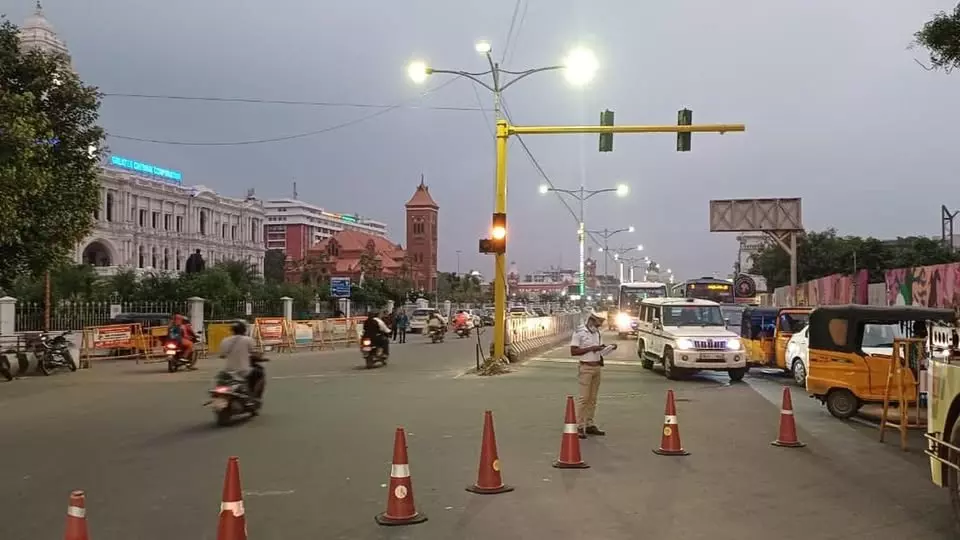
Key Takeaways:
- Prioritise Chennai city improvements with water security, strict rainwater harvesting and removal of encroachments.
- Reduce pollution through better public transport, anti-idling measures and targeted action in industrial zones such as Perungudi and Kodungaiyur.
- Strengthen stormwater drains and monsoon planning to prevent flooding of homes and schools.
- Preserve green spaces and expand safe, integrated public transport while addressing the stray dog threat.








