











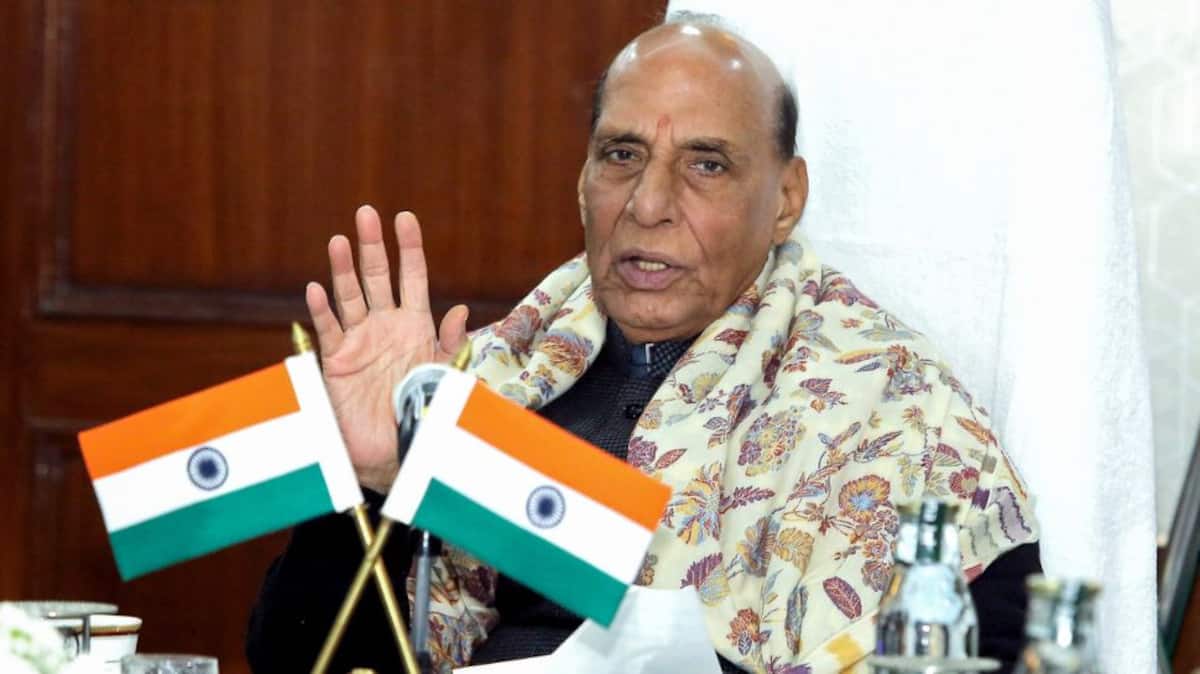
Defence Minister Rajnath Singh has said the Defence Research and Development Organisation’s weapon systems were decisive in Operation Sindoor, praising their performance during a review at DRDO headquarters on the occasion of the organisation’s 68th Foundation Day.
Singh told officials that DRDO equipment had operated seamlessly in the field and had raised soldiers’ morale. He credited the agency’s indigenous capabilities with equipping the Armed Forces with modern technologies and equipment, citing Operation Sindoor as a recent example of successful deployment.
DRDO Operation Sindoor Performance and Future Plans
During the review meeting, chaired by the Defence Minister, DRDO’s Secretary (Department of Defence R&D) and Chairman, Dr Samir V. Kamat, presented the organisation’s achievements for 2025, current research and development activities, and the roadmap for 2026. Singh said the meeting underscored the importance of readiness and continuous technological improvement.

Singh reiterated the government’s expectation that DRDO will play a central role in the Sudarshan Chakra initiative announced by Prime Minister Narendra Modi on Independence Day 2025. Under this programme, DRDO is charged with equipping critical infrastructure with an air defence system to ensure comprehensive aerial protection over the coming decade. The Defence Minister stressed that Operation Sindoor had demonstrated the critical importance of air defence in contemporary operations.
Officials noted that DRDO has worked to streamline systems and processes across procurement, project management and industry engagement. Increased collaboration with the private sector, academia, start-ups and MSMEs is a deliberate policy, Singh said, adding that such engagement has produced a more dynamic defence ecosystem and accelerated delivery timelines.
Singh urged the organisation to maintain its focus on innovation, identifying new technologies and areas that could broaden private-sector participation. He praised DRDO’s work in deep tech and next-generation systems, arguing that progress in these fields will strengthen national capabilities and contribute to a more resilient defence industry.
The meeting included briefings on major targets set for 2026 and a series of organisational reforms intended to improve efficiency and reliability. Singh emphasised that technology scanning, capability assessment and future readiness must be practised continuously, not treated as one-off exercises. He warned that technological advances and changing domains of warfare make yesterday’s knowledge insufficient.
Union Minister of State for Defence Sanjay Seth attended the event, along with directors general, corporate directors and senior DRDO scientists. The presence of senior leadership underscored the government’s priority on indigenous research and an accelerated transition from laboratory research to field-ready systems.
As the DRDO prepares to support the Sudarshan Chakra programme, the agency faces a decade-long task to deliver layered air defence across critical sites. The review meeting highlighted both recent operational successes and the need for continued reform and collaboration to meet future challenges.
Key Takeaways:
- Defence Minister Rajnath Singh said DRDO weapon systems played a decisive role in Operation Sindoor, boosting troop morale and operational effectiveness.
- DRDO will lead the Sudarshan Chakra initiative to provide layered air defence for vital installations over the next decade.
- Increased collaboration with industry, start-ups and academia is driving faster development and deployment of defence technologies, says Singh.
- The DRDO Operation Sindoor performance underlines the organisation’s focus on future readiness, R&D targets for 2026 and wide-ranging reforms.








