











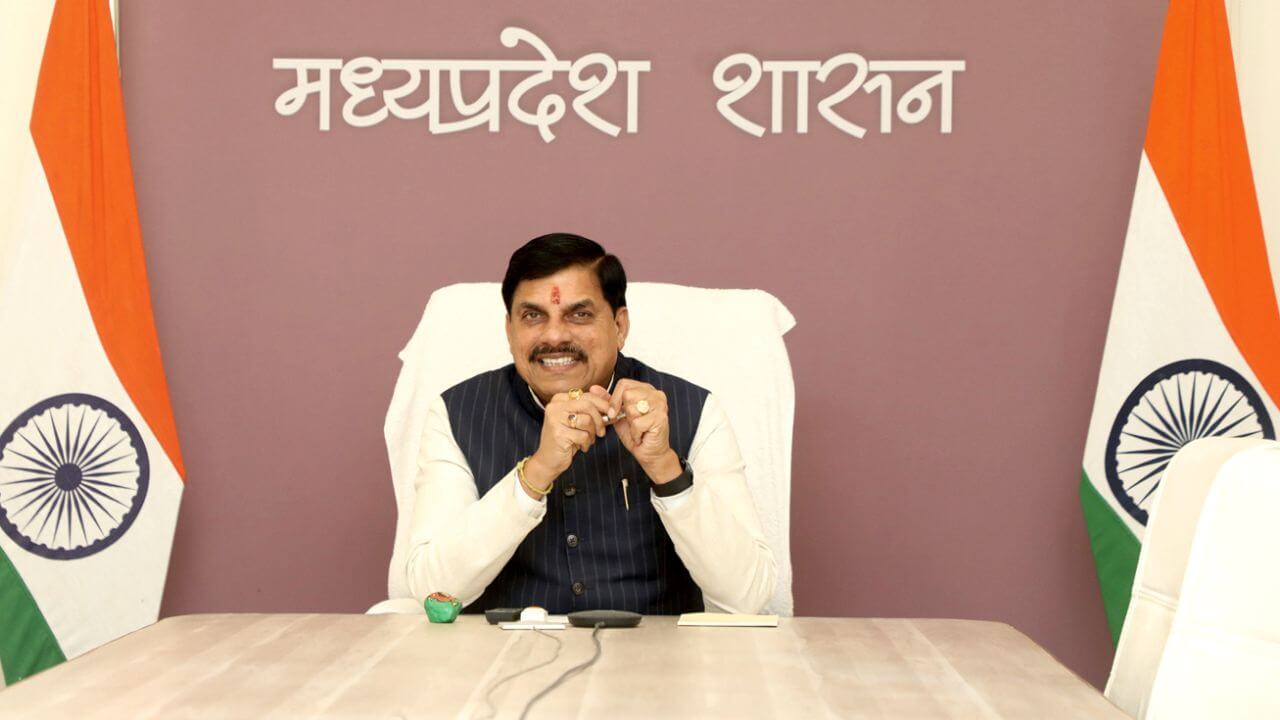
Chief Minister Dr Mohan Yadav has announced a regulatory change in Madhya Pradesh that will ease the compliance burden on small shopkeepers who depend on trade to support their families. The state government, acting on the chief minister’s directive, has revised the Madhya Pradesh Shops and Establishments Act, 1958. The amendment restricts labour inspectors from carrying out inspections at establishments with fewer than 20 employees unless they receive prior permission from the state government.
Madhya Pradesh shop inspection reform and its implications
The reform is intended to curb unnecessary inspections that have been a source of disruption for small traders. Under the new rule, routine visits by labour inspectors to small shops and establishments will not take place without explicit clearance from the state. Officials say this will reduce the number of unannounced checks and give proprietors greater predictability in running their businesses.
Basant Kurre, Additional Secretary in the labour department, said the change will relieve small shopkeepers and entrepreneurs of avoidable hassles. He added that restricting inspections to cases authorised by the state will conserve time and resources for both businesses and the administration. The department expects the move to foster a stronger sense of voluntary compliance among traders and create a more business-friendly environment that supports employment and enterprise.

Government statements describe the amendment as part of a broader effort to promote ease of doing business across the state. By lowering the administrative burden on establishments with fewer than 20 employees, officials hope to encourage growth and formalisation of small-scale trade. The policy also signals a shift away from an enforcement-first approach towards one that relies on trust and self-regulation supplemented by targeted oversight.
Traders and business associations have been asked to continue following labour laws voluntarily and to use the opportunity presented by the reform to expand operations. The labour department emphasised that the change does not remove obligations; rather, it reduces intrusive inspections and focuses enforcement where it is most needed. The government invited unions and trade bodies to work with officials to ensure that the benefits of the amendment reach the intended beneficiaries.
Analysts say the amendment could ease compliance costs for thousands of small businesses across Madhya Pradesh. For proprietors who frequently contend with short-notice checks, the requirement for prior permission could reduce interruptions and associated expenses. The state expects this to free up time and capital that shopkeepers can reinvest in their operations or pass on as savings.
While the reform has been presented as a relief measure, authorities also warned that it should not be taken as a licence to ignore legal responsibilities. The government will retain the power to authorise inspections where there are credible complaints or serious allegations. Officials believe this balance will allow the state to protect workers’ rights while supporting small traders’ need for a stable operating environment.
As the new year begins, the amendment is being framed as a practical gift to small traders in Madhya Pradesh. The government’s message is clear: business should be able to operate with confidence, but compliance remains a shared responsibility between the state and entrepreneurs.
Key Takeaways:
- Madhya Pradesh amends the Shops and Establishments Act to limit labour inspections for outlets with fewer than 20 employees.
- Inspections will now require prior state government approval, reducing unannounced checks and compliance burden.
- The reform aims to promote ease of doing business, encourage self-compliance, and save time and resources for small traders.
- Officials say the Madhya Pradesh shop inspection reform will give traders confidence to expand while the government urges voluntary adherence to labour laws.








