











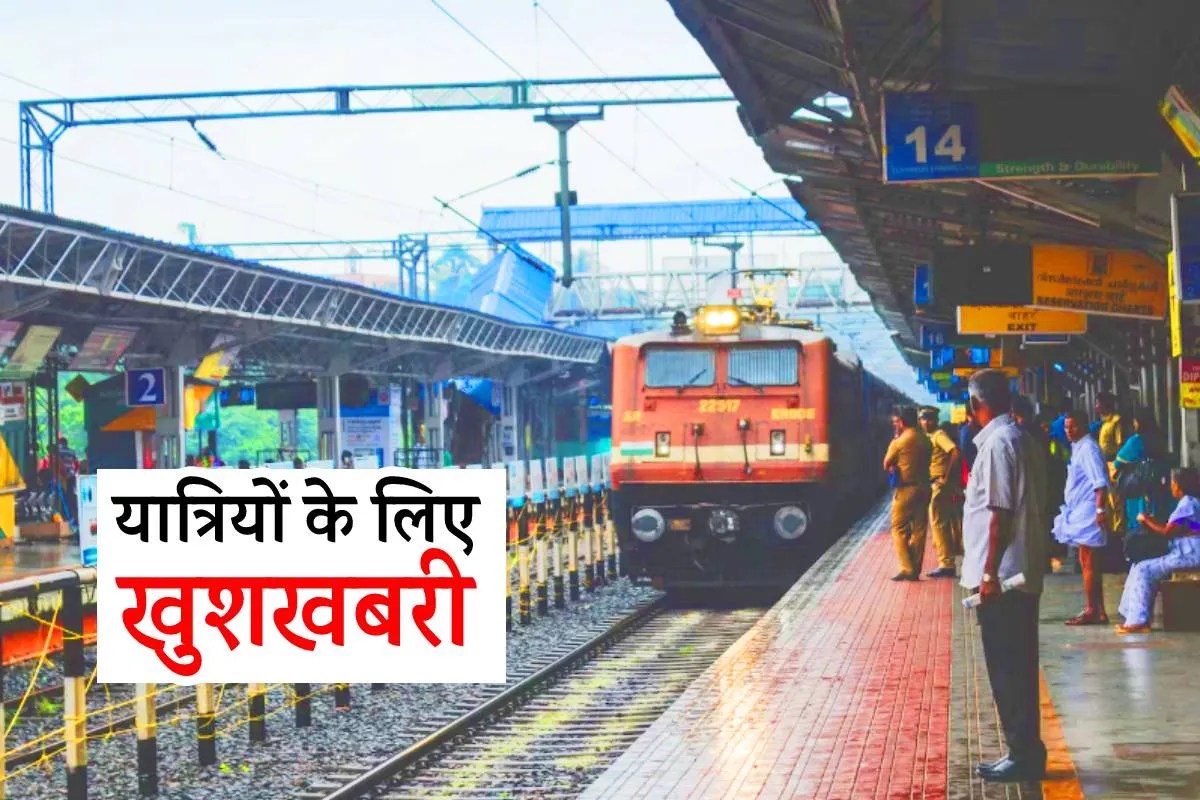
The West Central Railway zone has announced a landmark boost to connectivity in Madhya Pradesh with the introduction of three new train services and the commissioning of a 143 km stretch of railway track. The moves, unveiled from the Jabalpur division, complete long‑pending requests and accelerate several stalled rail projects across the state.
The newly opened 143 km link strengthens connections between core districts and neighbouring states, responding to years of public demand for improved rail access. Among the new services, a long‑awaited Raipur train has begun operations to meet persistent passenger demand, while the Rewa–Pune superfast train has been introduced to provide a faster direct link between eastern Madhya Pradesh and Maharashtra’s commercial hub.
Madhya Pradesh new trains boost regional connectivity
Officials said the additions form part of a broader effort to revive and complete projects that had languished for years. Work on the Rewa–Sidhi–Singrauli corridor and the Satna–Panna–Khajuraho line has gained fresh momentum, promising to reduce travel times and open up new routes for both passengers and freight. Local industry and tourism stakeholders welcomed the developments, noting that improved rail links will make pilgrimage and leisure destinations such as Khajuraho more accessible.

Railway planners emphasised that the upgrades are not merely about new services but about integration. The 143 km track acts as a missing link that ties regional networks together, enabling through services and operational flexibility for the West Central Railway. This should reduce congestion on existing routes, ease scheduling, and permit more efficient movement of goods such as coal and agricultural produce from interior districts to larger markets.
Passengers stand to gain from shorter journeys and increased frequency. For commuters and long‑distance travellers, direct connections to Raipur and Pune reduce the need for multiple transfers. For freight customers, the strengthened corridor offers improved transit options and potential cost savings, positive for local manufacturers and traders.
Beyond immediate transport gains, the projects carry wider economic implications. Better rail connectivity tends to stimulate local economies by attracting investment, expanding labour markets and supporting tourism. Khajuraho, a UNESCO World Heritage site located within the Satna–Panna stretch, could see higher visitor numbers as rail links become more reliable and direct.
Residents and civic leaders in Jabalpur and neighbouring districts described the developments as long‑overdue. Regional representatives have lobbied for years to complete the unfinished sections, arguing they are essential for balanced development across Madhya Pradesh. The recent progress is likely to strengthen those arguments and attract further funding and attention from central railway authorities.
Operational officials indicated that additional service adjustments and timetable refinements will follow as authorities monitor demand on the new and extended routes. Safety checks, signalling upgrades and station improvements along the 143 km track will continue as part of the phased rollout.
In summary, the opening of the 143 km railway link and the launch of three new services represent tangible improvement in Madhya Pradesh’s rail network. By addressing long‑standing connectivity gaps and accelerating stalled projects, the West Central Railway has delivered a practical boost to passengers, freight operators and regional economies.
Key Takeaways:
- Madhya Pradesh new trains: three services introduced following completion of a 143 km railway track in the West Central Railway zone.
- Long‑standing demands met with the launch of a Raipur service and the Rewa–Pune superfast train, while Rewa–Sidhi–Singrauli and Satna–Panna–Khajuraho projects advance.
- Improved passenger and freight connectivity expected to spur regional development, tourism and economic activity.








