











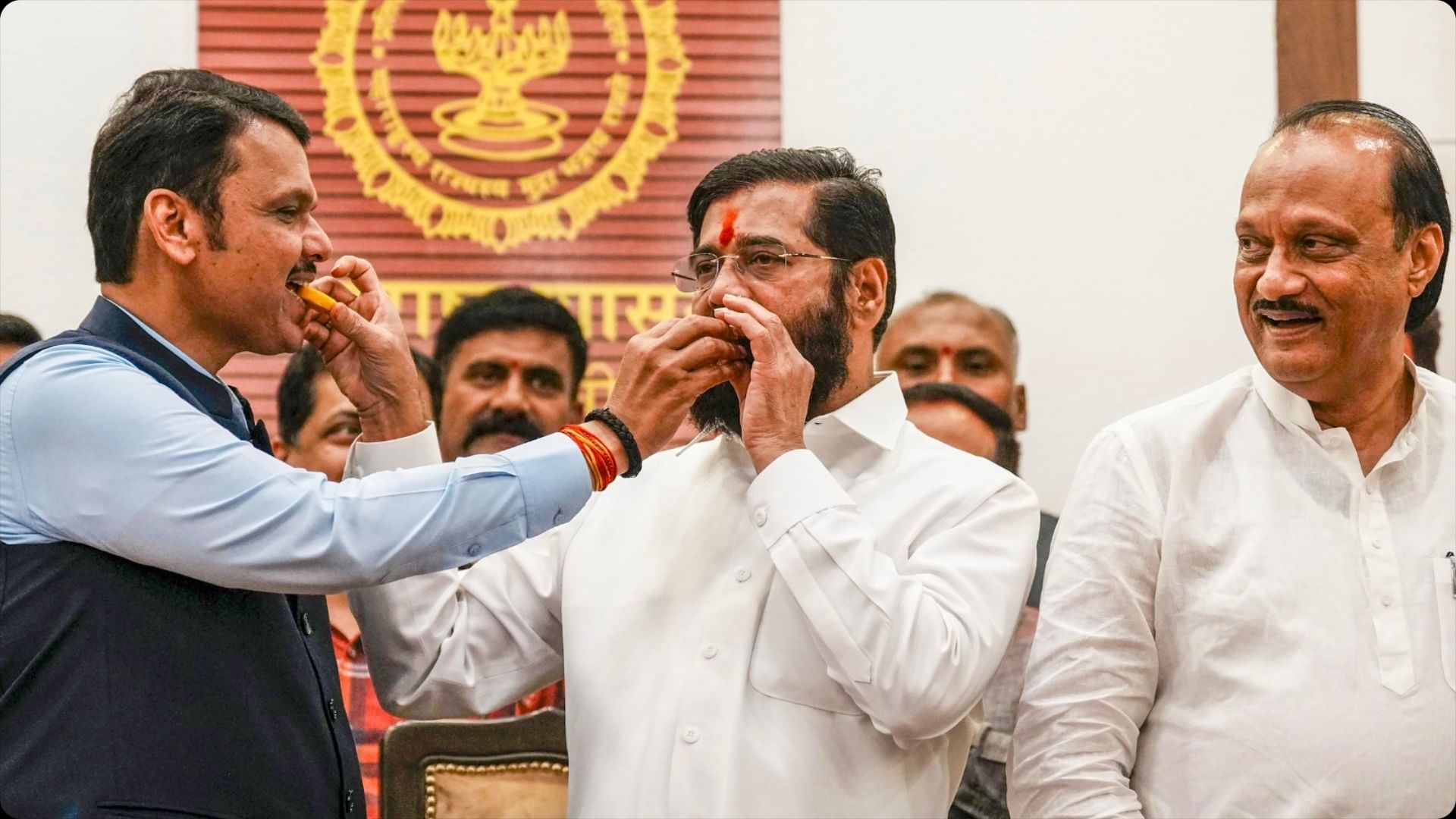
Sixty-eight candidates from the Mahayuti alliance were declared elected unopposed to seats in the upcoming Brihanmumbai Municipal Corporation (BMC) elections, officials confirmed. Of those, 44 are members of the Bharatiya Janata Party (BJP), a development that significantly alters the contest map ahead of polling day.
BMC elections Maharashtra: what the unopposed victories mean
The State Election Commission has said it will open an inquiry into the circumstances surrounding the uncontested wins. Authorities will review nomination papers, withdrawals and any complaints to determine whether electoral rules were properly followed and to ensure the integrity of the municipal process.
Winning unopposed is a legitimate outcome under the electoral code when no rival files a valid nomination or all opponents withdraw. However, such results can prompt scrutiny if they appear to stem from coercion, agreement among parties, or administrative lapses that prevented challengers from contesting their wards.

For local voters, the immediate effect is a reduced ballot in multiple wards. Candidates returned unopposed will not face campaigning pressures in those areas, while parties that remain in the fray must concentrate resources on fewer, often more competitive, wards. Analysts say this can reshape ground-level strategies and voter outreach in the final days before polling.
Political implications within Maharashtra
The Mahayuti alliance, made up of the BJP and its regional allies, has framed the unopposed victories as evidence of growing local support and organisational strength. Opposition parties counter that the pattern of uncontested returns raises concerns about the fairness of the contest and whether prospective candidates were discouraged or unable to complete nomination formalities.
Municipal elections in Mumbai carry high symbolic and practical importance. The BMC oversees civic services and urban governance in one of India’s largest cities, so control of the corporation translates into influence over local development priorities, budgets and administrative appointments.
Given those stakes, the Election Commission’s probe will be watched closely by political observers. The inquiry may focus on timings of withdrawals, whether notices and deadlines were properly communicated, and whether any procedural irregularities occurred. Pending the commission’s findings, parties may lodge formal appeals or seek clarifications through the legal process.
What to expect before polling
With a substantial bloc of seats decided without contest, parties still competing in the remaining wards will intensify campaigning. Observers expect sharper focus on turnout drives and targeted messaging in marginal wards. The outcome of the commission’s investigation could also influence the tenor of the campaign if evidence prompts challenges or leads to re-examination of specific returns.
For voters and civic stakeholders, the episode underscores the importance of robust local participation in municipal democracy. Whether the unopposed returns reflect organisational strength or shortcomings in the electoral process will depend on the commission’s findings and any subsequent legal developments.
The Election Commission has pledged to issue updates as its investigation progresses and to take any necessary corrective measures within the scope of its authority.
Key Takeaways:
- 68 Mahayuti candidates were declared elected unopposed to BMC seats before polling; 44 of them are from the BJP.
- The State Election Commission has said it will investigate reports of irregularities and assess nomination withdrawals.
- The unopposed wins reduce contests in multiple wards and raise questions about opposition mobilisation and electoral fairness.








