











Mumbai will go to the polls on 15 January to elect corporators after nearly three years without an elected civic body. More than 2,500 nominations have been filed, setting the stage for a tightly contested municipal election that could hinge on small swings in voter support.
Mumbai civic polls and candidate strategy
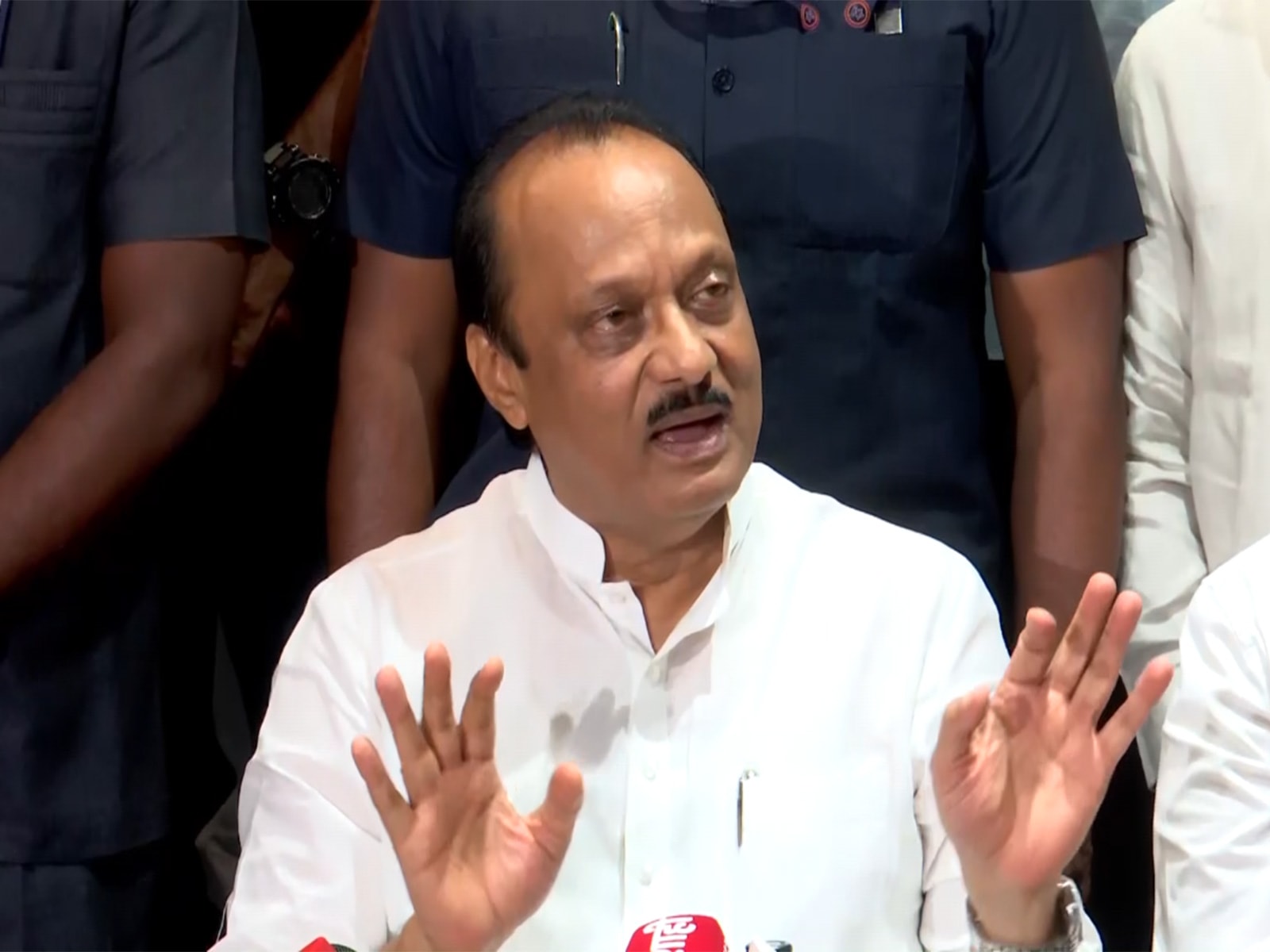
The Ajit Pawar-led Nationalist Congress Party has chosen to contest independently in 94 wards, a move that has reshaped the contest within the ruling Mahayuti alliance. The BJP has fielded candidates in 137 wards while the allied Shiv Sena has put forward nominees in 90 seats. If nominations stand as filed, the configuration will create numerous intra-alliance and multi-cornered fights across the city.
The NCP’s decision to field candidates on its own drew fresh controversy after a Loksatta report stated that around 23 of its nominees belong to minority groups. The Congress has alleged that this was a deliberate attempt to fragment the Muslim vote and gain an advantage over the Opposition. NCP leaders have rejected the accusations, with state chief Sunil Tatkare telling Lok Satta that candidate selection reflected Mumbai’s diverse demography and was not driven by preferential treatment.

Municipal contests in Mumbai have often been decided by narrow margins, and party strategists say nominee selection in closely fought wards can determine the overall balance of power. Analysts note that, in such an environment, even a modest shift in turnout or a split in a specific community’s vote can alter results in crucial wards.
Reports suggest the ruling coalition at state level pushed the NCP to contest independently as a tactical decision aimed at consolidating the Mahayuti’s hold on the civic body. The theory is that having coalition partners run separately in select wards can increase the alliance’s overall seat tally by appealing to different voter blocs. NCP leaders have described this approach as strategic and denied charges of communal engineering.
The polls will also see the long-standing Thackeray divide narrowed, with previously estranged family factions now competing within the broader political contest. Regional and smaller parties are also contesting independently, seeking to expand their footprint at local level and influence urban governance.
Public scrutiny of civic administration has intensified ahead of voting. A recent report alleged that the Brihanmumbai Municipal Corporation allocated over 99% of developmental funds to wards under the ruling Mahayuti since 2023, raising questions about resource distribution and incumbency advantage. Such issues have become talking points in many wards and could affect voter sentiment on the day.
Security and logistics are also a focus as the city prepares for polling day. Authorities are expected to deploy personnel and checkpoints to ensure orderly conduct and manage traffic in key areas.
With a crowded field and allegations of tactical candidate selection, the Mumbai civic polls are likely to produce close results in many wards. Parties will be watching turnout patterns and ward-level margins carefully, as even small shifts may be decisive in determining which grouping controls the civic body.
Key Takeaways:
- Mumbai civic polls on 15 January will return elected corporators after nearly three years, with over 2,500 nominations filed.
- The Ajit Pawar-led NCP is contesting alone in 94 wards while the BJP and allied Shiv Sena field candidates in 137 and 90 wards respectively.
- Congress has criticised the NCP for nominating around 23 Muslim candidates, alleging an attempt to divide the vote.
- Highly competitive, multi-party contests and narrow margins make candidate selection a potentially decisive factor in the Mumbai civic polls.








