











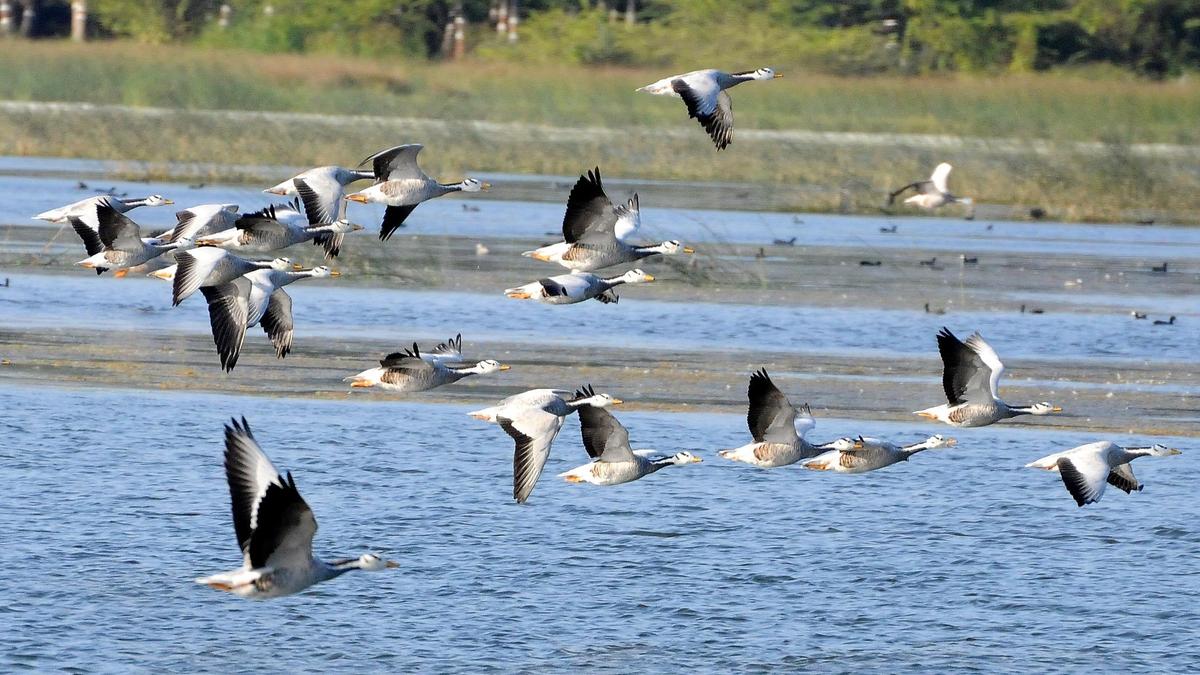
Two months into the winter migration, field observers in Mysuru and the surrounding Mandya and Chamarajanagar districts report a noticeable drop in the number of migratory birds that have travelled south to roost. The fall in arrivals is most evident among waterfowl across the region’s wetlands, a change that has prompted concern among birders and conservationists.
Mysuru bird migration trends and causes
Volunteers who have led long-term counts say the migration season, which began in early November, has still brought more than 80 species from the Himalayas and beyond, and numbers are expected to rise in the coming weeks. Yet the overall presence is subdued compared with some recent years.
A. Shivaprakash, an ornithologist who has coordinated censuses in the region for nearly three decades, noted that the Kabini backwaters continue to report arrivals such as the bar-headed goose. Some sightings have also been made at Hadinaru, which in earlier years served as a reliable wintering site for several species. Despite these reports, ducks such as the garganey and shoveller have shown a long-term decline.

Experts point to a combination of factors shaping the altered distribution. Warmer winter temperatures along traditional migratory routes are encouraging some species to halt their journeys further north, favouring central India or the Deccan over the longer trip to the south. In years of good monsoon rainfall, the replenishment of lakes and water bodies in central regions can also provide attractive alternative stopovers and wintering sites.
Habitat disturbance and encroachment around important wetlands have further raised alarm. Observers warn that several Important Bird Areas (IBAs) in the Mysuru belt lack adequate protection and face pressures from development, pollution and changing land use, all of which can reduce the suitability of these sites for wintering birds.
Midwinter census to provide clearer snapshot
To capture a clearer picture of this season’s bird movements, volunteers and local birding groups have organised a single-day midwinter fowl census on 18 January. Eighteen teams will cover more than 100 wetlands and lakes across Mysuru, Mandya and Chamarajanagar, following a tradition of nearly 30 years of systematic counting.
Last year’s single-day exercise on 15 January surveyed 110 wetlands and recorded 224 bird species, comprising 157 resident species, 57 migratory species and 10 species from the Eastern and Western Ghats. The count listed 31,005 individual birds on that day. A separate 2024 census recorded 226 species and more than 40,000 birds, illustrating annual variability in totals and the importance of continued monitoring.
Among the sites that typically register high numbers are the Nugu backwaters, Rayana Kere, Kalluru, Kukkarahalli Kere and the Ranganathittu Bird Sanctuary. Species regularly observed in recent counts include bar-headed goose, cattle egret, barn swallow, spot-billed duck and Eurasian coot.
Organisers hope the forthcoming census will offer a reliable snapshot of how wintering populations and habitats in the Mysuru region are faring. The results will help conservation groups and authorities target protection measures for key wetlands and inform efforts to safeguard the region’s migratory birds.
Key Takeaways:
- Mysuru bird migration shows lower arrivals two months into winter migration, particularly among waterfowl.
- Volunteers will conduct a midwinter single-day census on 18 January to assess numbers across 100+ wetlands.
- Experts cite higher en route temperatures, replenished northern waterbodies and habitat disturbance as likely causes.
- Previous single-day counts recorded 31,005 to over 40,000 individual birds; forthcoming census will update trends.








