











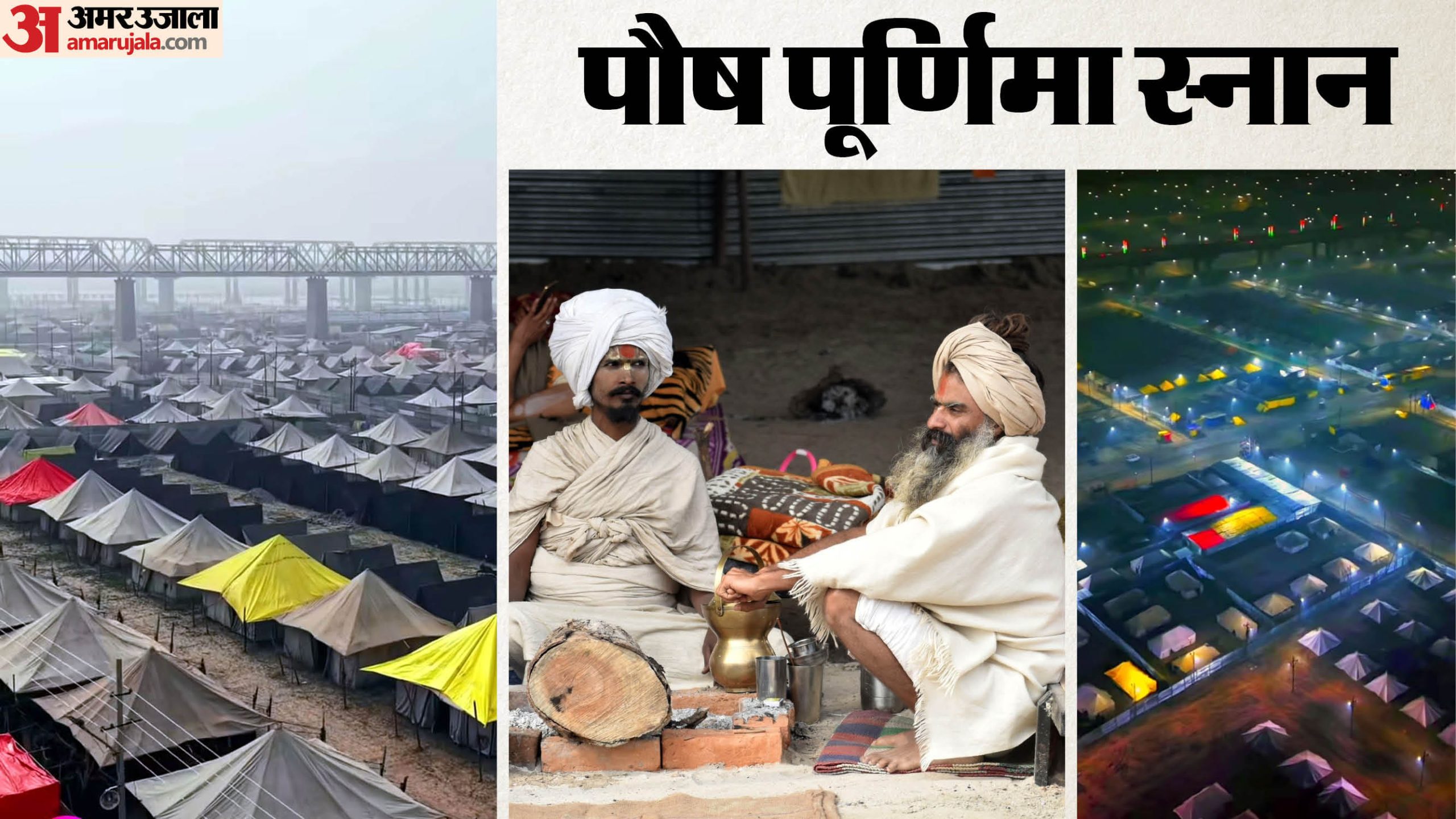
Tents and temporary camps have once again transformed the sandy banks of the Sangam in Prayagraj as Magh Mela 2026 opened with the first major bathing festival ahead of Paush Purnima. Pilgrims and ascetics took part in the traditional Kalpavas observance, a month-long period of vows and austerity believed to confer lasting spiritual merit.
Magh Mela 2026 Prayagraj draws devotees for Kalpavas
Organisers and religious leaders said the day began with hundreds of devotees arriving at the confluence to perform the prescribed Ganga snān (holy bath) and puja ceremonies. According to custodians of the Akhil Bharatiya Dandi Sanyasi Parishad, those who undertake Kalpavas formalise their intent at the Sangam by first offering prayers to Ganesha, followed by Ganga puja and then creating small sand mounds to honour various deities.
The Kalpavas encampments accommodate both householders and sadhus. Life in these tents is marked by strict discipline: participants observe celibacy, maintain a regulated daily routine, sleep on the ground, and divide their time between worship, scriptural reading and listening to discourses delivered by saints and mahants.

Religious leaders explain that the practice has scriptural sanction and is traditionally begun on Paush Purnima. Pilgrims noted that practical rites at the camp include planting tulsi and banana (kadali) saplings at the tent entrance, offering food to a resident guru before taking their own meals, and reciting passages from the Ramayana and the Bhagavad Gita.
Officials working at the mela reported orderly arrivals, with many devotees reaching the Khak Chowk area of the fairground to take part in ritual bathing and meditation by the river. The event combines personal penance with communal worship; nightly satsangs and storytelling by revered saints form a central part of the observance and provide spiritual instruction for participants.
Kalpavas traditionally concludes on Maghi Purnima, though many ascetics and pilgrims remain at the mela beyond that date to perform additional rites. Those staying often undertake the Trijata snān, a later ceremonial bath, before returning to their homes or ashrams. On completion of Kalpavas some devotees attend a Satyānārāyan katha as part of their final ceremonies to gather spiritual energy for the return journey.
Local authorities and mela organisers said they had prepared logistical support for the surge of visitors, including health and sanitation facilities near the camps and the ghats. Photographs from the opening day show rows of tents on the riverbank and groups of devotees engaged in ritual observance alongside sadhus seated by dhuni (sacred fires).
The annual Magh Mela attracts pilgrims from across India and is an important event in the religious calendar of Prayagraj. This year’s Kalpavas observance continues a centuries-old tradition that blends personal austerity with communal devotion at one of the country’s most sacred river confluences.
Image credit: Amar Ujala / Samvad News Agency
Key Takeaways:
- Magh Mela 2026 in Prayagraj sees the start of Kalpavas with devotees taking Paush Purnima baths at the Sangam.
- Pilgrims and sadhus observe month-long vows, daily rituals and scriptural readings at riverside tents.
- Traditional practices include Ganga puja, planting tulsi and kadali, and adherence to brahmacharya and strict daily routines.
- Many saints and Kalpavas participants remain after Maghi Purnima, returning home following the Trijata bath.








