











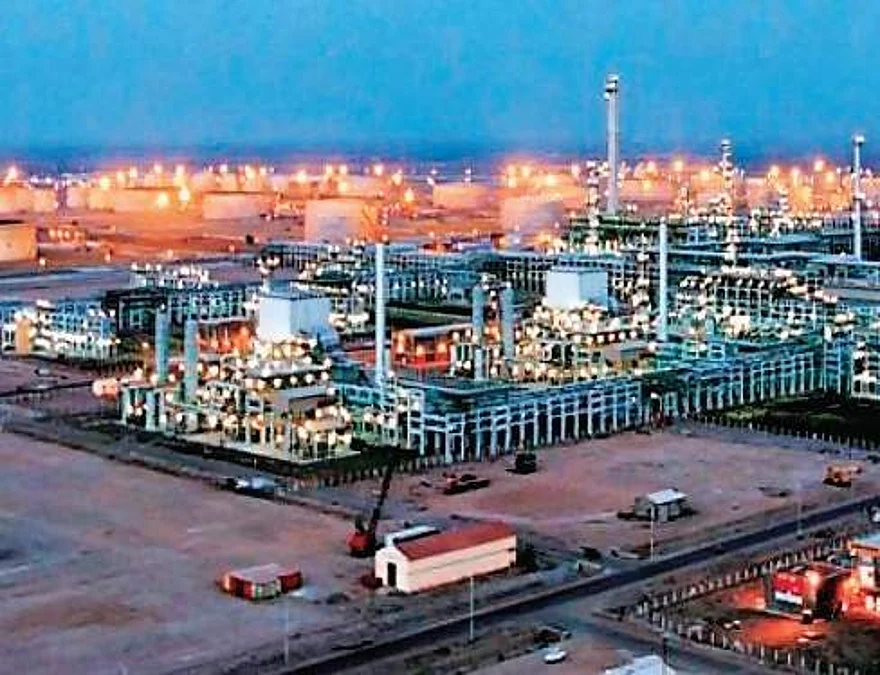
Reliance Industries has restarted limited purchases of Russian crude, dispatching three tankers carrying roughly 2.2 million barrels of Urals grade oil to its Jamnagar refining complex, industry sources told Bloomberg. The cargoes will be used mainly to produce fuels for India’s domestic market, marking a cautious return rather than a full resumption of imports from Russia.
Reliance resumes Russian crude as pricing and prudence align
The decision reflects a calibrated approach. Urals crude remains attractive to Indian refiners because of its discounted pricing compared with competing global grades. For Reliance, which operates the world’s largest refining complex at Jamnagar, access to competitively priced crude helps sustain high refinery utilisation and protect refining margins.
At the same time, Reliance has been careful to limit exposure as regulatory scrutiny has increased around trade flows involving Russian oil. Transactions linked to private refiners and certain shipping arrangements have drawn closer monitoring from Western authorities, prompting some firms to slow or halt purchases. Reliance’s latest shipments are modest relative to its total capacity and appear timed to balance cost advantages with compliance considerations.

Industry analysts described the move as opportunistic rather than strategic. The volume on the way to Jamnagar is a small fraction of Reliance’s throughput, suggesting the company will adjust purchases based on price differentials, logistics and evolving regulatory comfort. That posture mirrors broader behaviour among private refiners, which tend to be more cautious than state-run counterparts owing to their greater exposure to international markets and financial systems.
India’s energy security considerations remain central. Securing affordable feedstock supports domestic fuel supplies and helps moderate retail prices, particularly when refining margins are under pressure. The shipments to Jamnagar indicate Reliance is keeping its options open while maintaining a diversified crude basket to manage risk.
Compliance and reputational factors also weighed heavily in the decision. Reliance has a significant global footprint, and the company has emphasised that sourcing strategies must align with international norms and legal requirements. Officials and compliance teams are expected to monitor incoming shipments closely to ensure transparency in contracts, shipping and payments.
Analysts expect Reliance’s engagement with Russian crude to remain selective. Short-term purchases may increase when price discounts widen materially, but a wider resumption would depend on stabilised regulatory signals and clear compliance pathways. For now, the firm appears willing to re-engage on a case-by-case basis while prioritising domestic fuel production and margin stability.
Observers say the development is also a reminder of India’s broader balancing act: securing reliable, affordable energy supplies while managing geopolitical sensitivities and trade relations. State-run refiners in India have continued to buy Russian crude with less interruption, but private players are demonstrating greater caution, reflecting differing risk profiles and external exposures.
For consumers and markets, the immediate effect is likely to be limited. The modest volume bound for Jamnagar will contribute to domestic fuel output but is unlikely to change global crude flows. Over the coming months, market participants will watch pricing spreads, shipping costs and regulatory guidance to gauge whether Reliance scales up purchases or maintains a deliberately selective stance.
Key Takeaways:
- Reliance resumes Russian crude purchases with three tankers carrying about 2.2 million barrels of Urals crude bound for Jamnagar.
- The move is a cautious, selective re-entry driven by discounted pricing and careful regulatory compliance.
- Volumes are modest relative to Reliance’s refining capacity, signalling opportunistic buying rather than a strategic shift.
- Analysts expect continued selective purchases as Reliance balances affordable supplies with geopolitical and compliance risks.








