











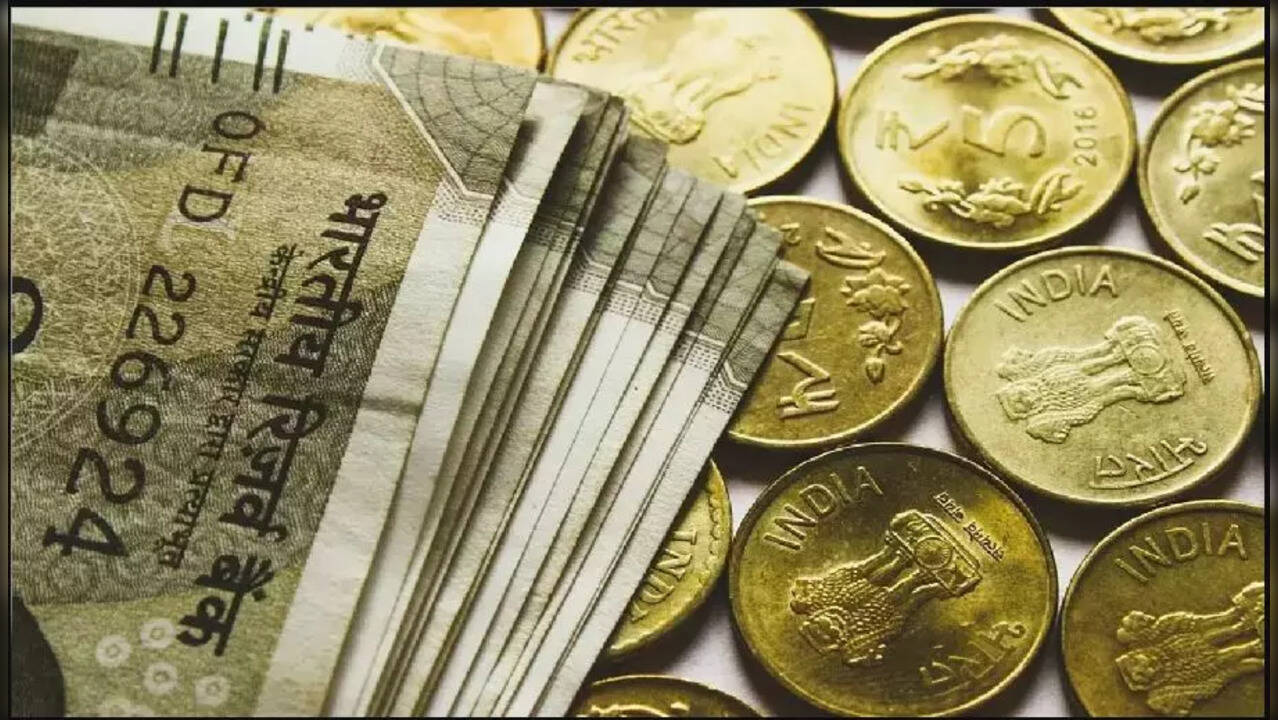
The Indian rupee fell nearly 5% against the US dollar in 2025, marking its weakest annual showing since 2022. Yet, a new outlook from State Bank of India (SBI) suggests 2026 could bring a calmer tone for the currency, with only modest further depreciation expected.
Rupee outlook 2026 expectations
SBI Funds Management pointed to several reasons for last year’s underperformance. Foreign portfolio investors withdrew close to $18 billion from Indian equities amid earnings downgrades and a shift of capital to other emerging markets. At the same time, export growth lagged and importers stepped up hedging activity, adding pressure to the currency despite a generally softer US dollar and gains across many global currencies.
Looking ahead, SBI projects the rupee will weaken by about 2% in the next financial year, bringing the exchange rate to roughly 92 against the US dollar. That forecast rests on a combination of domestic and global factors that could help limit sharp swings.

On the domestic side, India’s current account deficit is expected to stay below 1% of GDP, a result of robust services exports and relatively stable crude prices. Services, including IT and business process outsourcing, continue to be a reliable source of foreign exchange. Inflation is also likely to remain close to the Reserve Bank of India’s 4% target, which reduces the likelihood of abrupt policy moves that could unsettle the currency.
Global developments may further restrain downside pressure. The US Federal Reserve appears to be nearing the end of its easing cycle, a phase that historically tends to support emerging market currencies. In addition, the rupee’s real effective exchange rate stands about 5% below estimates of fair value, which improves competitiveness and provides a buffer against steep depreciation.
Capital flow dynamics could turn more supportive in 2026. Analysts point to the possibility of Indian government bonds being included in more global indices, which would raise foreign demand for local debt. Stabilising corporate earnings and a potential revival of foreign equity inflows would also ease pressure on the currency.
That said, risks remain. A sharper-than-expected global slowdown, renewed stress in international financial markets, or a sudden jump in oil prices would still pose downside risks for the rupee. Likewise, any deterioration in India’s domestic growth momentum or fiscal slippage could prompt investor caution.
For businesses and investors, the outlook implies a period of relative predictability after last year’s volatility. Importers may continue to hedge selectively, while foreign investors will watch earnings trends and bond index decisions closely. Policymakers, meanwhile, will likely focus on maintaining macroeconomic stability to support confidence in the exchange rate.
In sum, while the rupee faced headwinds in 2025, SBI’s assessment points to a more contained path in 2026, driven by a manageable current account, stable inflation and potential improvements in capital flows.
Key Takeaways:
- Rupee fell about 5% in 2025 but SBI expects only around 2% depreciation in 2026, signalling relative stability.
- Rupee outlook 2026 is supported by a narrow current account deficit, strong services exports and subdued inflation.
- Potential inclusion of Indian bonds in global indices and a stabilising US monetary cycle could improve capital flows.








