











Across India, animals and birds occupy a distinct place in religious life. For millennia Hindu texts and popular practice have given particular creatures an honoured role, making them objects of respect and, in many locales, direct worship. The beliefs attach symbolic meaning to animals and reinforce values such as devotion, courage and prudence.
India sacred animals in Hindu tradition
One of the most striking examples is the serpent king Shesha. Described in ancient texts as the bed on which Vishnu rests, Shesha is a symbol of stability and cosmic order. Though snakes often provoke fear, their portrayal in scripture links them to deep spiritual wisdom and protection.
The tiny mouse that serves as Ganesha’s mount offers a contrasting lesson. The image of a great god riding a small creature teaches control over desire. Hindu storytellers use the mouse to represent distracting urges; Ganesha’s mastery of that mount is a lesson in restraint and guidance.

Garuda, the eagle-like vehicle of Vishnu, represents power and vigilance. Celebrated across temples and festivals, Garuda is depicted as a swift warrior who protects his lord and confronts evil. In many communities Garuda remains a popular object of devotion and a motif in ritual art.
Monkeys and bears appear prominently in the Ramayana. Hanuman, who chose service over kingship, exemplifies loyalty, strength and humility. His deeds continue to inspire worship and public celebrations. Jambavan, the bear, also appears as a stalwart ally whose strength and counsel aided Rama. Both figures have endured as moral exemplars.
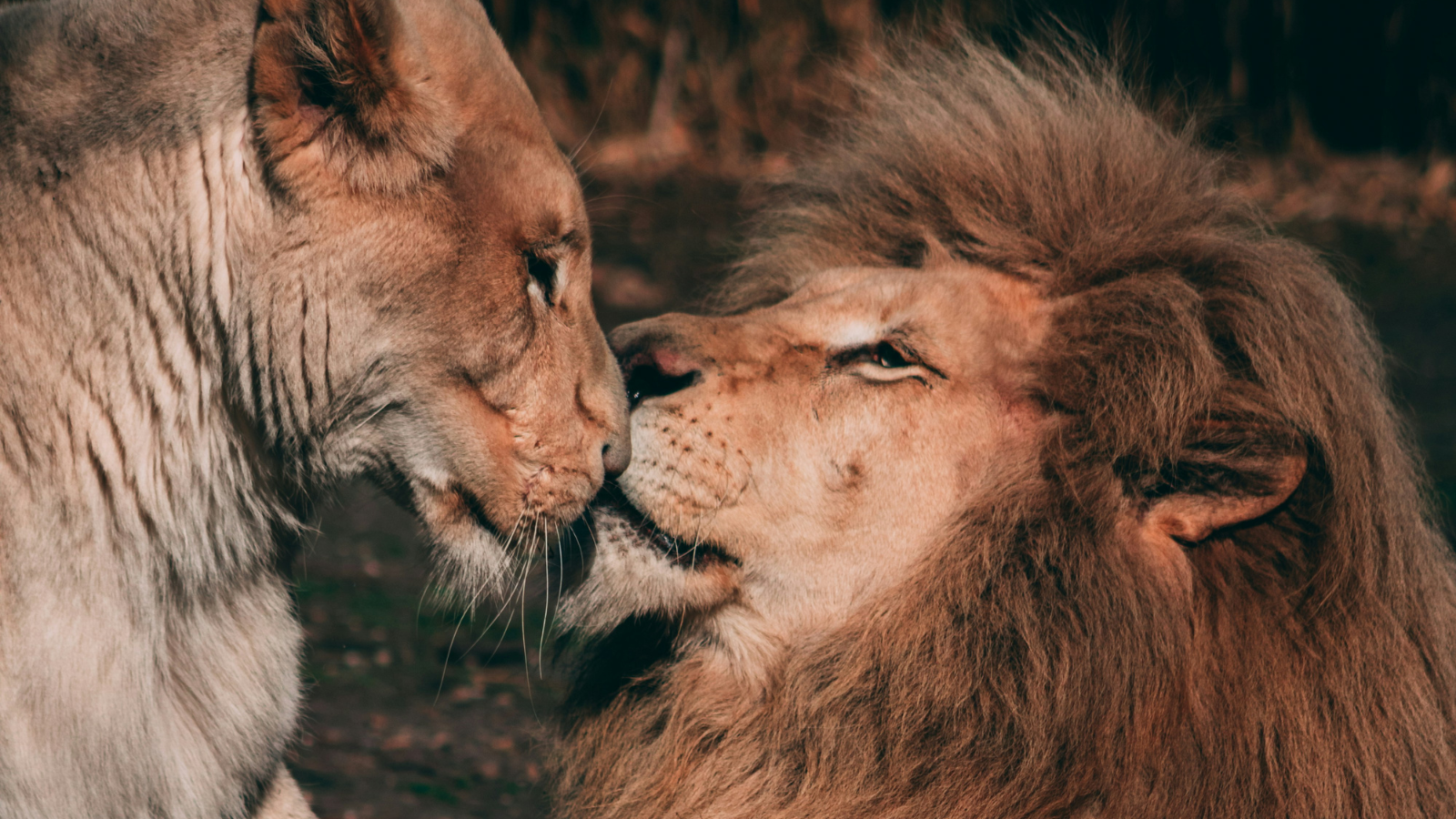
Birds and larger mammals also feature in devotional life. The owl accompanies Lakshmi and conveys wisdom associated with wealth. The peacock, tied to Saraswati and Kartikeya, symbolises beauty, creativity and discipline. Nandi the bull stands vigil before Shiva temples, signalling devotion, duty and righteous conduct. Durga’s mount, the lion, embodies fearlessness and the power to vanquish destructive forces.
Even narratives from the Mahabharata give animals ethical weight. A faithful dog accompanies Yudhisthira on his final journey, then reveals itself as a divine tester of virtue. Such episodes underline that animals can represent fidelity and moral purity.
These connections are not only literary. In many parts of India people perform rituals for animals, provide offerings, and maintain taboos that protect species associated with particular deities. Temple iconography, folk theatre and festivals keep these stories lively and present in everyday life.
Modern observers note that reverence for animals in Hindu practice can support conservation-minded attitudes, although it does not replace formal environmental policy. The symbolic status of certain species can help communities regard them with care.
Understanding these traditions offers insight into how faith, culture and nature intersect in India. Whether admired for their strength, intelligence or devotion, sacred animals remain a vivid part of religious expression and social values across the country.
Key Takeaways:
- Many animals and birds occupy revered, worshipped roles in Hindu tradition across India.
- Figures such as Shesha the serpent, Garuda and Nandi symbolise protection, devotion and strength.
- Animal companions of deities convey moral lessons, from self-control to loyalty.
- These practices reflect longstanding cultural links between nature, faith and daily life in India.








