











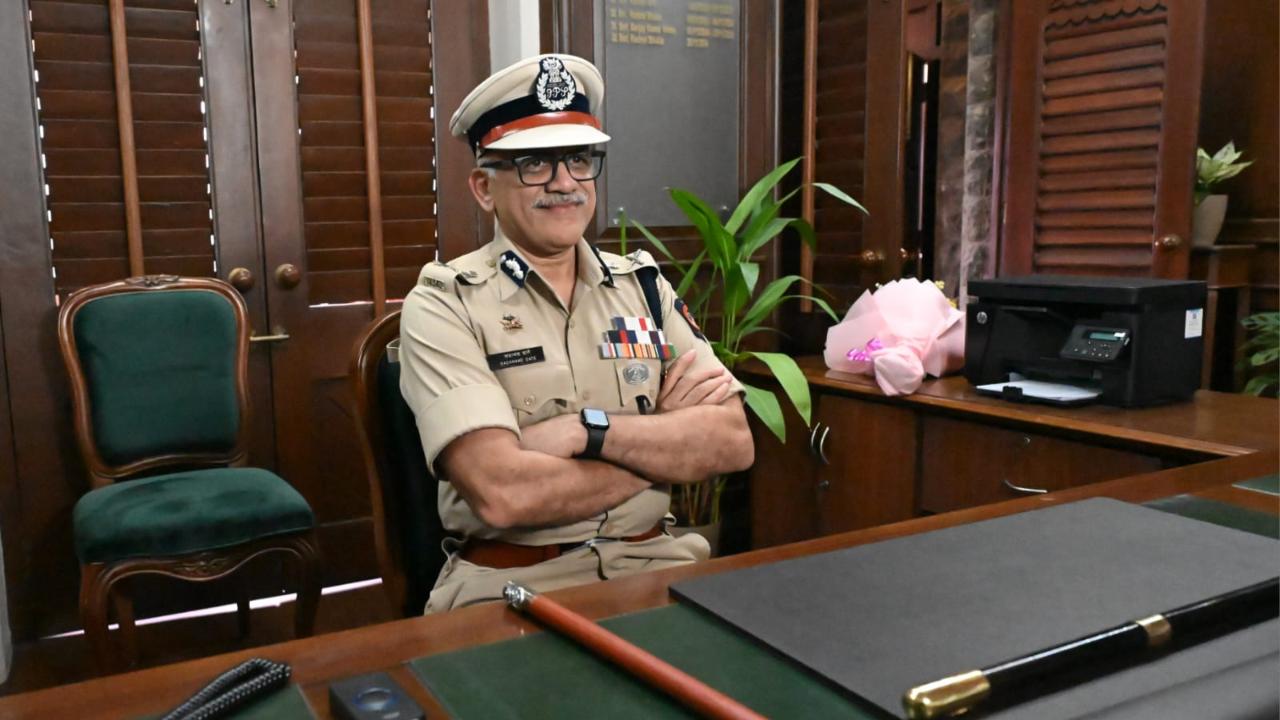
Sadanand Vasant Date, a senior Indian Police Service officer noted for his role during the 26/11 Mumbai attacks, formally took charge as Director General of Maharashtra Police on Saturday. The 59-year-old succeeds Rashmi Shukla, the state's first woman DGP, who retired the same day. Date's appointment was confirmed on 31 December and he will serve a two-year term leading a force of more than 200,000 personnel.
Sadanand Date Maharashtra DGP Leadership and Record
Date was repatriated to his Maharashtra cadre from his post as Director General of the National Investigation Agency at the request of the state government. A 1990 batch IPS officer, he brings a blend of operational experience, investigative expertise and academic credentials to the top post.
He is widely recognised for his frontline role during the 2008 Mumbai terror attacks. Then serving as Additional Commissioner of Police for the Central Region of Mumbai, Date led the team that cornered terrorists Ajmal Kasab and Abu Ismail on the rooftop of Cama Hospital. Despite suffering injuries from grenade splinters, he continued to engage the assailants. For his bravery, he received the President's Police Medal for Gallantry.

Over a long career Date has held several key positions. He has served as chief of the Maharashtra Anti-Terrorism Squad, first Commissioner of Police for the Mira-Bhayandar-Vasai-Virar municipal region, and as Joint Commissioner of Police for law and order and crime in Mumbai. His experience extends to central agencies where he was Deputy Inspector General in the Central Bureau of Investigation and Inspector General for operations in the Central Reserve Police Force.
His appointment comes at a time when Maharashtra faces complex security and policing challenges in both urban and rural contexts. State officials said Date's return from the NIA reflects a decision to place an experienced operator at the helm of the state force. Observers note that his record in counter-terrorism and organised crime investigations will be a central asset in guiding strategy and capacity building across the police ranks.
In addition to operational duties, Date has pursued academic work. He holds a doctorate in economic offences from Pune University and in 2005 was awarded a Humphrey Fellowship to study economic and organised crime abroad. Those academic credentials complement his practical experience and are likely to inform efforts to modernise investigative methods and financial crime detection within the state police.
Raised in Pune, Date overcame early financial hardship, at one point selling newspapers to support his family. He topped his BCom and Institute of Cost and Works Accountants examinations before clearing the UPSC. He has also authored a Marathi book titled Varditlya Mansachya Nondi, which chronicles his experiences in uniform.
As Maharashtra DGP, Date will be responsible for overseeing policing across a vast and diverse state that includes India's financial capital. His two-year tenure will focus on strengthening counter-terrorism readiness, improving crime investigation capabilities and enhancing community policing initiatives. Senior officers and analysts will watch how his blend of field experience and academic insight shapes the force's priorities in the months ahead.
Officials from the state home department have welcomed his appointment and expressed confidence that Date's leadership will sustain momentum on ongoing security reforms. The transition marks a significant moment for the Maharashtra Police as it prepares to confront evolving threats while maintaining public order and protecting critical infrastructure.
Key Takeaways:
- Sadanand Date Maharashtra DGP assumed charge as Director General of Maharashtra Police after being repatriated from the NIA.
- The 59-year-old will lead over 200,000 personnel for a two-year tenure and succeeds Rashmi Shukla.
- Date is renowned for his role in the 2008 26/11 Mumbai attacks and has held senior posts including ATS chief and senior roles in the CBI and CRPF.
- He holds a doctorate in economic offences, received a Humphrey Fellowship and has authored a Marathi book on policing.








