











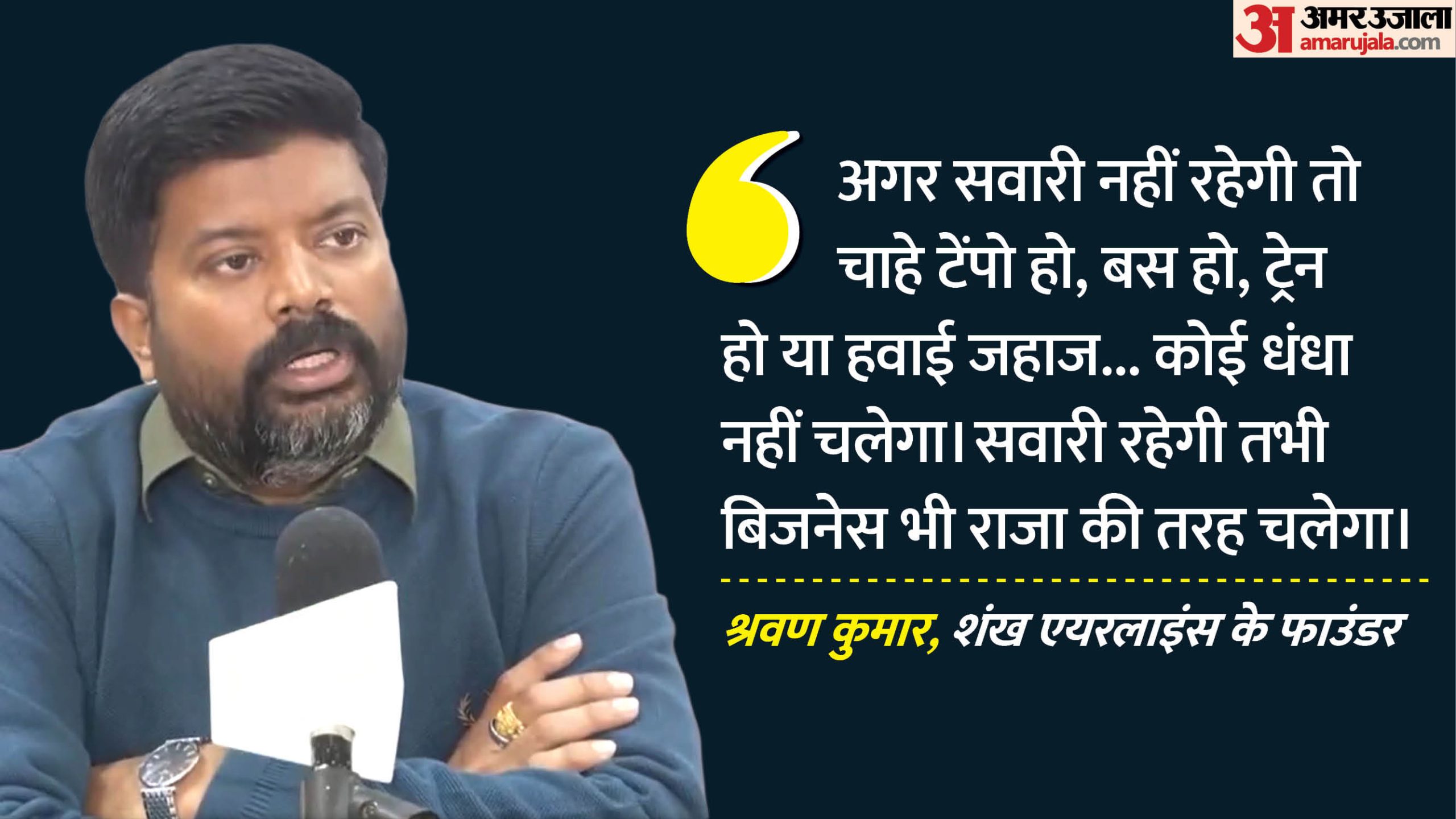
Shravan, the entrepreneur behind Shankh Airlines, says a willingness to take risks turned a humble transport background into an aviation venture that aims to connect smaller cities across India. Speaking about the company’s origins, he contrasted his present ambition with the modest alternative: had he avoided risk, he says he would still be driving a tempo.
Shankh Airlines owner story and early risks
The Shankh Airlines owner story begins not in an executive suite but on the road. Shravan’s first businesses were modest local transport services and small logistics operations. Faced with limited capital and an uncertain market, he decided to reinvest earnings into a more ambitious plan. That decision required securing regulatory approvals, attracting investors and adapting to a highly competitive aviation sector.
From the start, Shravan framed the enterprise as a response to specific market gaps. Rather than compete head-on with major carriers on busy trunk routes, Shankh Airlines targeted thinner, underserved city pairs where air connectivity was either sparse or expensive. This regional focus allowed the airline to test its model with lower initial capital outlay while providing a clear social benefit by improving access for smaller communities.

Securing funding was not straightforward. Shravan and his team pursued a combination of private investment and structured financing to acquire their first aircraft and operational licences. They also engaged with industry partners on ground handling, maintenance and ticketing systems to keep overheads manageable. The founder stresses that early partnerships and careful cost management were essential to reaching the inaugural flight.
Operational challenges followed. The aviation sector demands strict safety standards, trained crews and efficient turnaround processes. Shravan prioritised building a compliance-first culture while training staff for the needs of regional operations, including short-field procedures and tight schedules. He also sought to maintain competitive fares without compromising on passenger experience.
Looking ahead, Shravan says the airline will continue expanding methodically. Plans include adding routes that complement regional development initiatives and exploring fleet additions that suit the carrier’s low-capacity, high-frequency model. While growth is deliberate, the leadership is optimistic that a disciplined approach can deliver sustainable expansion rather than rapid but fragile scale-up.
Industry observers say such ventures matter for India’s domestic aviation market. Smaller carriers that focus on point-to-point regional links can stimulate local economies by improving business connectivity and tourism access. They can also relieve pressure on congested major airports by diverting demand to direct services between secondary cities.
Shravan’s account offers a reminder that entrepreneurship in aviation often demands more than vision. It requires patience, regulatory navigation and careful financial planning. His remark about tempos is emblematic: risk-taking changed the trajectory from local transport to an airline with national ambitions.
As Shankh Airlines settles into its early operations, its progress will be watched by investors, regional planners and passengers alike. If the airline sustains safe, reliable services on routes that were previously underserved, it could become a model for similar start-ups that aim to balance commercial sustainability with broader connectivity goals.
Key Takeaways:
- The Shankh Airlines owner story highlights how risk-taking transformed a modest transport background into an aviation venture.
- Founder Shravan credits bold decisions and investor support for enabling the airline’s regional focus and early expansion.
- The company aims to serve underserved routes and contribute to India’s growing domestic aviation market.








