











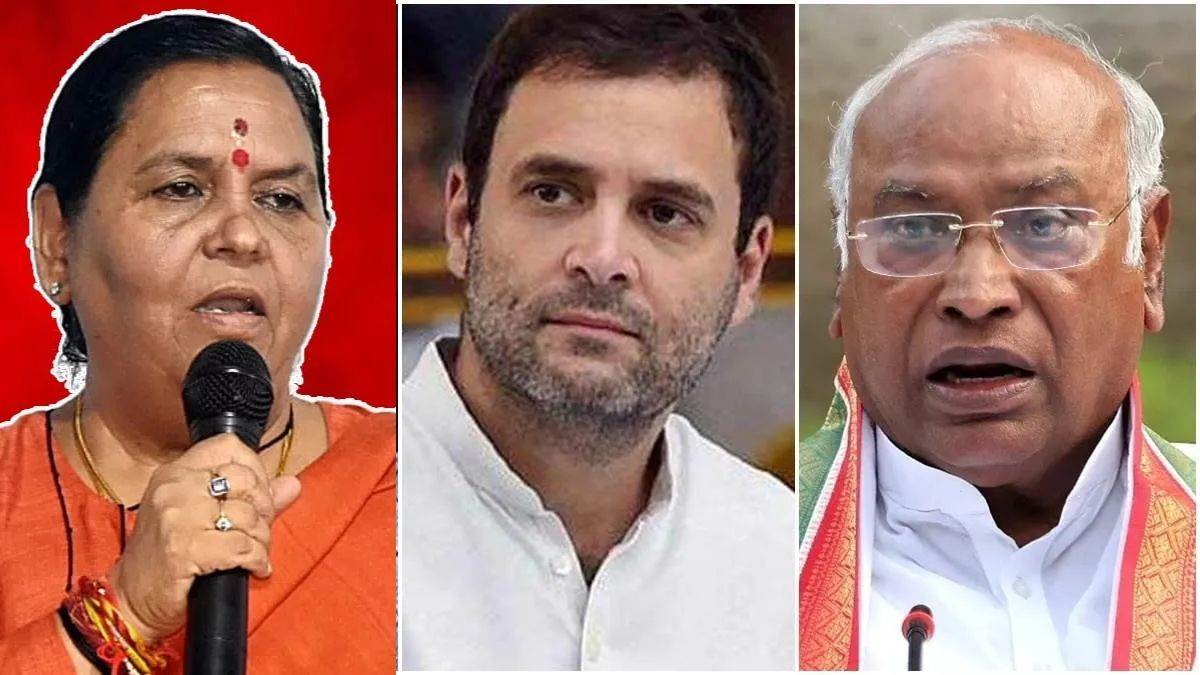
Senior Bharatiya Janata Party leader Uma Bharti has publicly criticised leaders within her own party and intensified political pressure over reports of contaminated water in Indore. The controversy has quickly moved beyond local health concerns to become a wider political flashpoint, with opposition figures named in public accusations and calls for swift remedial action.
Indore contaminated water and the immediate political response
Reports of unsafe water supply in parts of Indore prompted immediate outrage among residents and local activists. Ms Bharti, speaking at a public meeting, said party colleagues and local authorities must do more to protect public health. She also called out national Congress figures, including Rahul Gandhi and Mallikarjun Kharge, accusing them of failing to address the issue adequately. Her remarks have added fuel to a partisan debate that now centres on governance and accountability.
Political opponents have used the episode to question the competence of those in power, while civic groups and health experts have urged an independent investigation into the water quality and distribution systems. Municipal officials have indicated that tests are under way, though details of contamination levels and affected neighbourhoods remain limited in public statements.

Local residents report disruptions to daily life and rising concern over potential health effects. Hospitals in the area have seen a rise in patients reporting gastrointestinal symptoms, according to local sources, prompting calls for emergency measures such as providing safe drinking water, issuing health advisories and conducting door-to-door checks for vulnerable households.
Administration spokespeople have said they are prioritising the matter and coordinating with state agencies to identify the cause, whether contamination in distribution networks, treatment plant lapses or other factors. Officials have also pledged transparency on laboratory results and remediation timelines.
Political analysts say the episode illustrates how civic service failures can quickly be reframed as issues of political accountability. For opponents, the government’s handling of the water crisis offers a tangible line of attack; for ruling party members like Ms Bharti to criticise colleagues signals internal pressure to resolve the problem promptly and visibly.
Public health advocates have urged all parties to temper political rhetoric and focus on immediate relief and long-term fixes. Their recommendations include rapid testing of water sources, provision of bottled or treated water where necessary, and an audit of municipal water infrastructure to prevent recurrence.
Beyond immediate remediation, the crisis may have electoral implications if constituents perceive that basic services are being neglected. Observers note that handling of essential services such as water supply often shapes public opinion more strongly than abstract policy debates.
As the story develops, residents and political stakeholders alike will be watching for clear timelines, transparent test results and decisive action from local and state authorities. The way the crisis is managed in the coming days could determine whether it becomes a transient public health incident or a sustained political contest with longer-term consequences.
Key Takeaways:
- Senior leader Uma Bharti has criticised her own party colleagues over the handling of public health concerns in Indore.
- The Indore contaminated water issue has become a focal point for political attacks against Congress figures, including Rahul Gandhi and Mallikarjun Kharge.
- Local residents and opposition politicians are demanding urgent action, testing the state’s administrative response and accountability mechanisms.








