











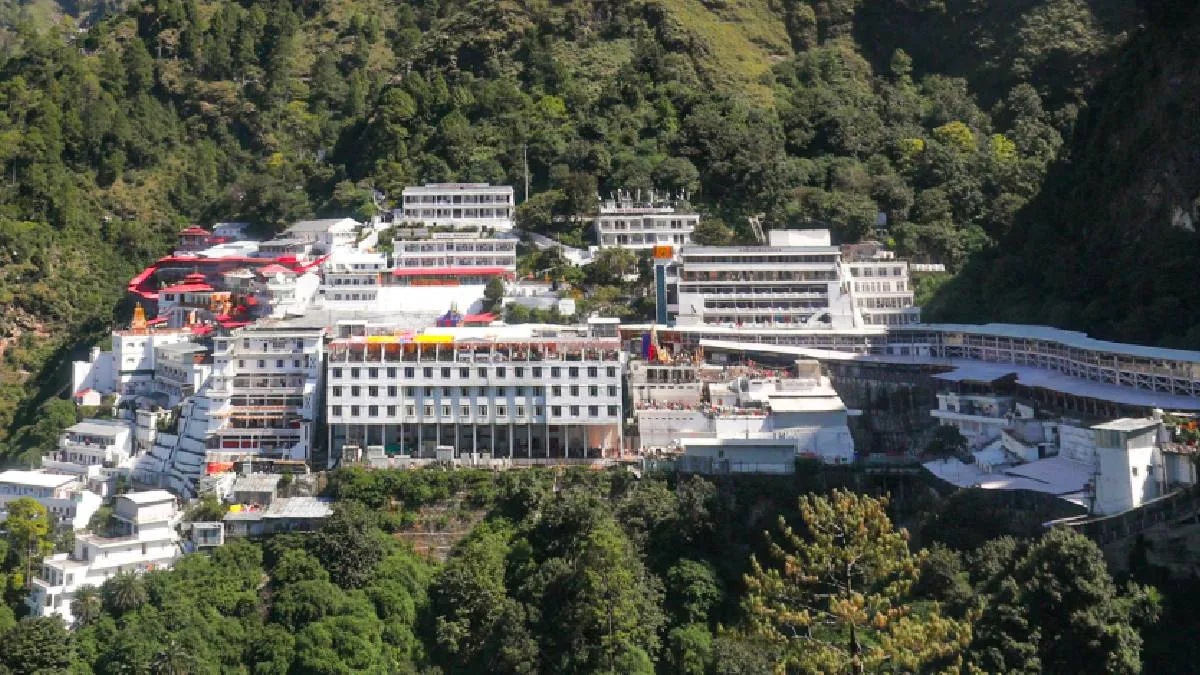
Thousands of devotees converged on the Vaishno Devi shrine over the New Year period, creating such dense crowds that the shrine board temporarily suspended online pilgrimage registration until the morning of 1 January. Officials described scenes where there was little room to move, placing pressure on crowd management and local services.
Vaishno Devi New Year crowd prompts registration suspension
The Shri Mata Vaishno Devi Shrine Board decided to halt the registration process late on New Year’s Eve after authorities reported that the flow of pilgrims had reached levels that risked public safety and strained logistical arrangements. The suspension is effective until the morning of 1 January, when officials will reassess conditions.
Police and shrine staff have been mobilised to manage the influx, and teams are working to ensure entry and exit points operate smoothly. Sources at the shrine said visitors faced long waits for darshan, though the situation remained largely orderly thanks to visible security presence and the opening of extra gates to ease movement.

Officials urged people to follow directions issued by the shrine board and local administration. They also recommended that those in vulnerable groups, particularly the elderly and families with young children, delay non-essential travel until crowd levels ease.
Similar scenes were reported at several other religious and tourist destinations across the region. Srinagar, Gulmarg and Sonamarg in Jammu and Kashmir, and hill stations such as Manali, Shimla and Nainital reported very large visitor numbers. Prominent pilgrimage towns including Mathura, Vrindavan, Ayodhya, Varanasi and Puri also experienced significant crowds.
In Vrindavan and Mathura, worshippers began arriving days earlier than usual, filling streets and prompting local authorities to restrict vehicle access to manage congestion. Temple committees expanded opening hours at some shrines to accommodate increased demand; at Banke Bihari temple, for example, darshan timings were extended and additional gates were opened to streamline entry and exit.
Many of the visitors were young people, reflecting a notable presence of Gen Z devotees choosing to begin the year with religious observance. Despite long queues and hours of waiting, several pilgrims said they considered the inconvenience worthwhile to receive blessings at the start of the year.
Local administrations have emphasised public-safety measures: increased police deployment, crowd-control barriers, medical teams on standby and regulated vehicle entry in congested areas. Authorities also appealed for cooperation from visitors, asking them to follow signage, keep emergency routes clear and heed instructions from officials.
Travel and tourism officials warned that high visitor volumes could continue over the holiday period. They advised prospective pilgrims to check official shrine board notices and local advisories before travelling. The Shrine Board will monitor the situation closely and may announce further restrictions or reopenings based on crowd conditions and safety assessments.
The suspension of registration at Vaishno Devi underlines the scale of New Year pilgrim movements this season and highlights the challenges that popular religious sites face in balancing access with safety during peak travel periods.
Key Takeaways:
- Vaishno Devi New Year crowd surged, forcing pilgrimage registration to be suspended until the morning of 1 January.
- Authorities and shrine board extended darshan timings and opened additional gates to manage flow.
- Large gatherings were reported across multiple religious and tourist sites, with many young pilgrims among the visitors.
- Officials appealed to elderly and families with children to postpone travel; police and administration are deployed to maintain order.








