











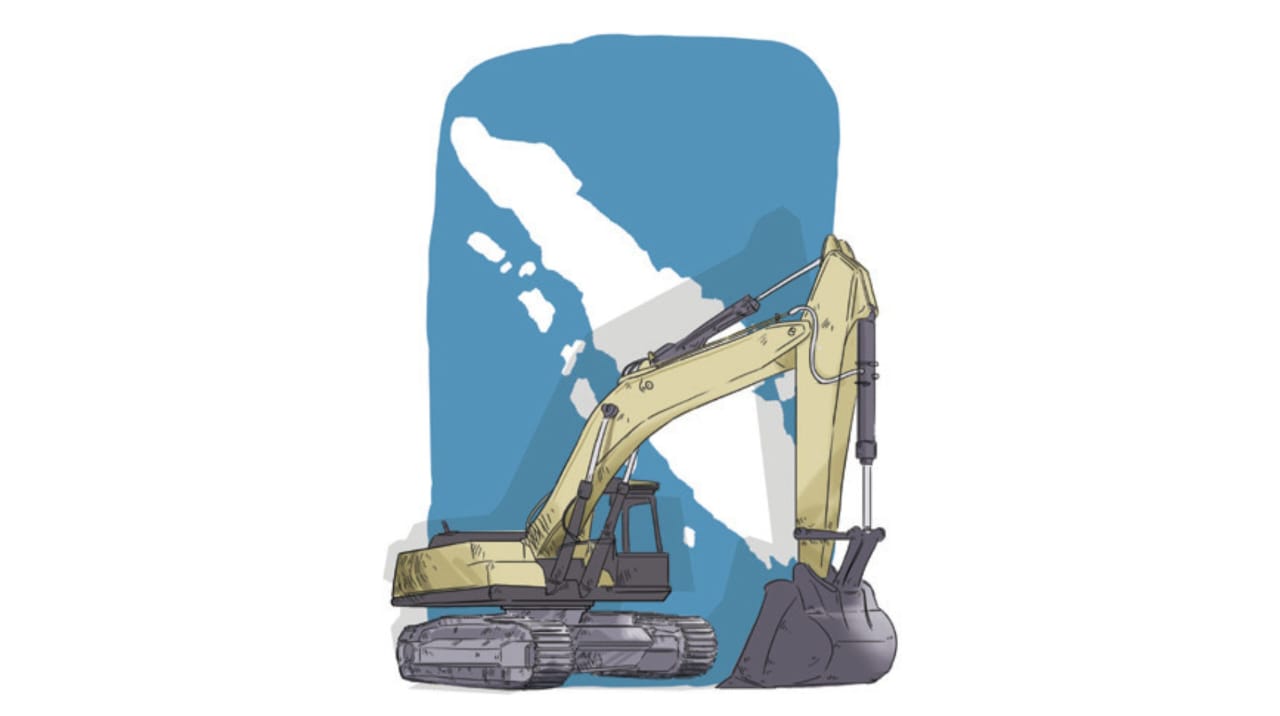
Communities across Aceh, West Sumatra and North Sumatra continue to face deep social and economic hardship after recent floods and landslides. With homes destroyed and livelihoods disrupted, residents need a swift and organised recovery. The speed and quality of reconstruction will determine whether affected areas regain stability or are left to endure prolonged suffering.
Reports of delays during the emergency phase have heightened public concern that medium and long-term rehabilitation may suffer the same fate. Recovery cannot be managed as routine business. Instead it requires a focused, well-resourced effort that combines central leadership with effective local implementation.
Indonesia disaster recovery priorities
First, coordination between central and regional authorities must be tightened. Each agency needs a clear mandate and a transparent way to share information. Overlapping responsibilities and sectoral rivalry slow work on the ground and waste scarce resources. A single coordinating body with a public timeline and measurable targets would reduce confusion and hold institutions to account.

Second, funding must be certain and sustained. Rehabilitation is not a short-term commitment. Patchwork budgets and stop-start financing produce incomplete projects and leave communities exposed. Authorities should allocate multi-year funds for infrastructure, economic revival and social services, and publish budget plans so the public can track spending.
Third, oversight and transparency are essential from day one. Emergency settings can create opportunities for profiteering and poor workmanship. Strong auditing, open procurement, and swift legal action against fraud are necessary to protect public money and ensure reconstruction standards. Civil society and local communities should be involved in monitoring to increase transparency and trust.
Fourth, programmes must be tailored to local conditions. Aceh, West Sumatra and North Sumatra each have unique physical and social characteristics. Recovery strategies need to reflect local housing styles, livelihoods and hazard risks. Where possible, reconstruction should follow principles of safer, more resilient and sustainable building so that rebuilt communities are better prepared for future shocks.
Setting realistic deadlines is also important. Every programme should have a clear schedule with milestones that are publicly reported. Deadlines give people hope and create pressure to perform. Repeated postponements will only deepen public distrust and prolong hardship.
Finally, protecting affected communities from further harm must be central to any recovery plan. Support for housing, job replacement and psychosocial assistance matters as much as restoring roads and bridges. When the state shows it can deliver meaningful, timely help, it restores confidence and social stability.
The recent events offer a test of governance. Authorities have the opportunity to correct past mistakes, demonstrate accountability and turn reconstruction into a moment of improvement rather than repetition. For people in Aceh, West Sumatra and North Sumatra, fast, transparent and locally appropriate action will make the difference between renewed security and a prolonged crisis.
Key Takeaways:
- Immediate, coordinated action is needed to speed Indonesia disaster recovery in Aceh, West Sumatra and North Sumatra.
- Clear roles, secure funding and localised plans must replace fragmented responses.
- Transparent procurement and firm oversight will deter corruption and ensure quality rebuilding.
- Recovery should prioritise safer, sustainable reconstruction and realistic deadlines for displaced communities.








