











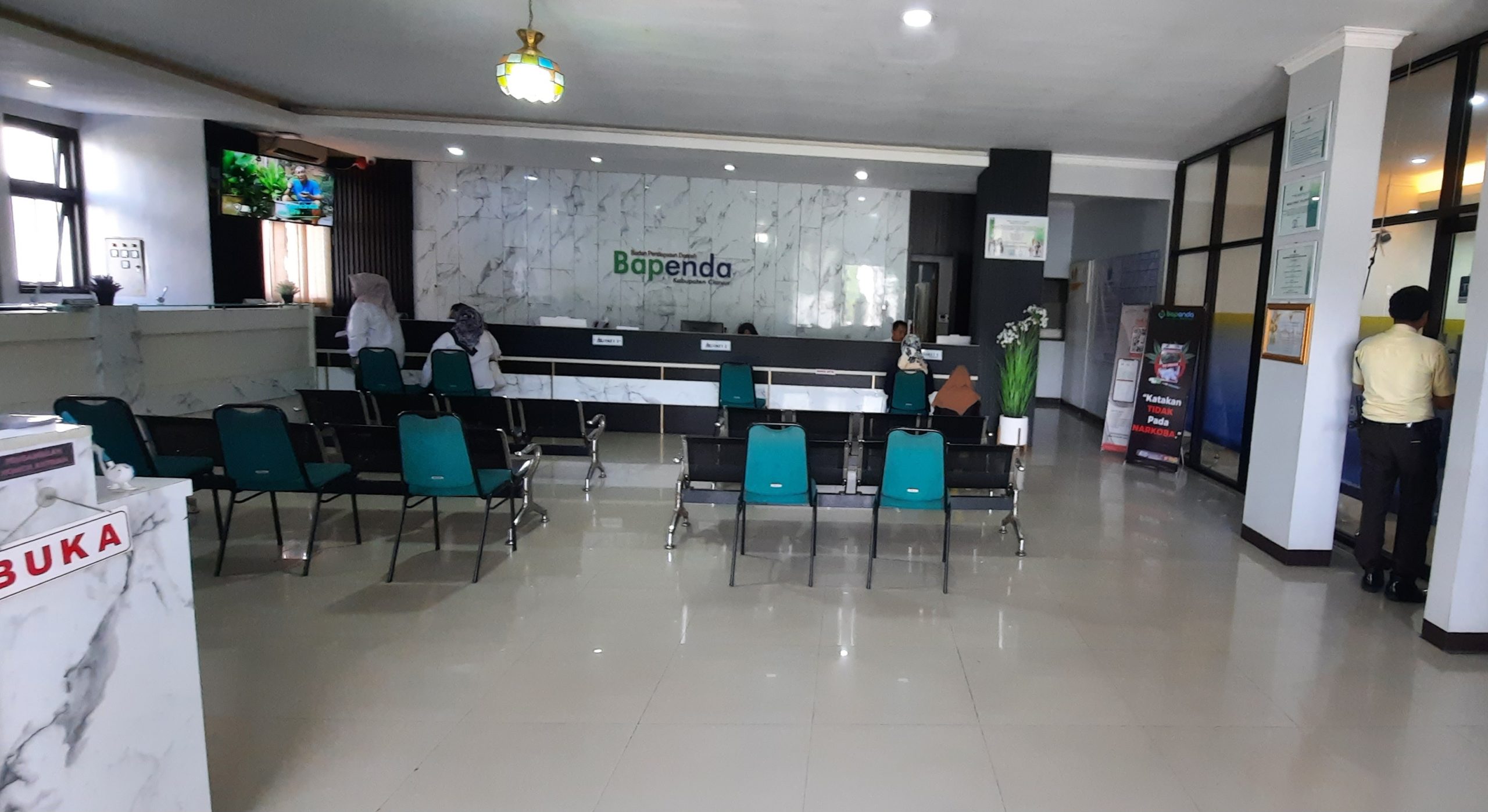
The Cianjur Regional Revenue Agency (Bapenda) in West Java has outlined a series of strategic measures to bolster local revenue (Pendapatan Asli Daerah or PAD) in the current year, aiming to optimise tax and levy collections while improving public service quality.
Cianjur PAD revenue performance and contributors
By 31 December 2025, Cianjur recorded regional tax receipts of Rp389.4 billion, achieving around 92.85% of the Rp419.4 billion target. While the realisation rate fell short of the 100% benchmark, the nominal increase of roughly Rp98 billion compared with 2024 indicates meaningful growth: in 2024 the agency collected Rp291.4 billion, or 104.68% of that year’s target.
Bapenda head Cicih Permasih said the agency recognises the need for further optimisation through innovation, intensified collection efforts and expanded tax bases. She emphasised the importance of strengthening cross-sector cooperation and improving service quality for taxpayers to drive compliance and increase PAD.

Several local tax sectors outperformed expectations in 2025. The Mineral, Non-Metallic and Rock tax (MBLB) produced the strongest result with a realisation of 151.90% of its target. Bird’s nest tax exceeded expectations at 113.02%, certain goods and services tax (PBJT) achieved 101.04%, and rural and urban land and building tax (PBB-P2) marginally surpassed target at 100.03%.
Other levies showed near-target performance: groundwater tax recorded 96.67% realisation, billboard tax 94.54% and the motor vehicle tax (PKB) 91.87%. Some categories lagged, with vehicle title transfer fees (BBNKB) at 84.32% and the duty on acquisition of land and building rights (BPHTB) at 75.87%.
To address shortfalls and support compliance, Bapenda introduced taxpayer relief measures during 2025. The programme included discounts on BPHTB and reductions in PBB for individual taxpayers, designed to ease the financial burden on residents while encouraging timely payments.
Cicih noted that revenue collected by the regional government is channelled back into public programmes and infrastructure, highlighting the link between tax compliance and local development. She thanked taxpayers for their participation and adherence to local tax obligations.
Looking ahead, Bapenda plans to deploy a combination of technological and administrative innovations to enhance efficiency. Past initiatives have involved technology-based taxation systems intended to streamline data collection, billing and enforcement.
Officials signalled a two-pronged approach: first, intensify enforcement and outreach to reduce arrears and expand the tax base; second, implement targeted incentives to maintain goodwill and encourage voluntary compliance. Strengthening partnerships with other departments is expected to support these efforts, particularly in tracking economic activity and formalising informal contributions to PAD.
With mixed results across sectors, the agency faces the immediate task of closing gaps in underperforming taxes while consolidating gains from high-performing categories. The policy mix of relief and enforcement reflects a pragmatic effort to balance short-term revenue needs with longer-term administrative improvements.
Cianjur’s experience illustrates the challenges local authorities face in achieving revenue targets amid shifting economic conditions. By combining improved taxpayer services, cross-sector collaboration and selective relief programmes, Bapenda seeks to secure a steadier revenue stream to fund essential public services in the year ahead.
Key Takeaways:
- Cianjur’s regional revenue (PAD) rose to Rp389.4 billion in 2025, driven by higher receipts across several local tax sectors, notably mineral-related levies.
- Authorities will pursue further optimising measures through innovation, intensification and stronger cross-sector collaboration to boost Cianjur PAD revenue.
- Targeted relief measures, including BPHTB discounts and personal PBB reductions, aim to ease taxpayer burdens while supporting compliance and public services.








