











Key Takeaways:
- The Student Affairs Organisation has extended welfare access for students studying beyond normal course duration until the end of Tir 1405 (around 21 July 2026).
- Universities and higher education institutes have been instructed to facilitate continued access to services for eligible students.
- The move aims to ease financial pressure and support academic progress for senior students in extended semesters.

Iran Extends Student Welfare Benefits Until July 2026
The Student Affairs Organisation has announced that students who remain enrolled beyond their standard study duration will continue to receive university welfare services until the end of Tir 1405, roughly 21 July 2026. The decision follows requests from students and aims to reduce barriers to completion for those studying in additional semesters.
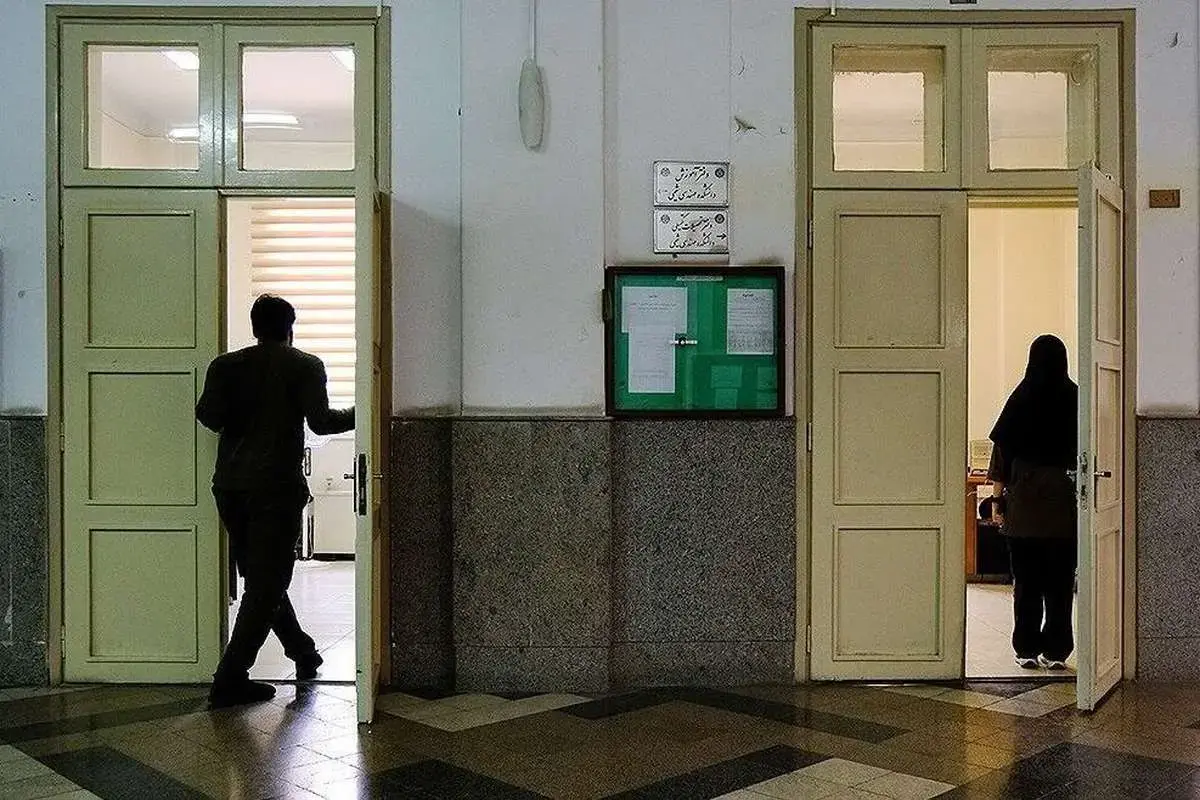
extension of student welfare benefits in Iran
Under the directive, universities and higher education institutions have been asked to take practical measures to ensure eligible students can access facilities and services. The welfare measures cover a range of campus services typically available to enrolled students, intended to help those who are taking extra semesters to finish their degrees.
The announcement comes after a number of students petitioned the Student Affairs Organisation to maintain access to welfare arrangements during their extended study period. After reviewing the requests, the Organisation issued guidance to institutions across the country, instructing them to implement the necessary arrangements so that affected students are not deprived of support while they complete their studies.
Officials described the extension as an act of assistance to students in exceptional circumstances rather than a broader change to academic regulations. By allowing these students to use welfare services through to the end of Tir 1405, authorities aim to ease financial and logistical pressures that can delay graduation.
For many senior students the cost of accommodation, transport and campus facilities can be a barrier to completing remaining course requirements. Continued access to university welfare reduces those burdens and can make it easier for candidates to focus on academic work and required professional training or internships.
Universities are expected to adopt clear procedures to identify eligible students and to provide appropriate services without interruption. The Student Affairs Organisation has urged higher education providers to coordinate with student services units, residence halls and financial aid offices to ensure smooth implementation.
While the extension covers welfare services only, it may have secondary benefits. Students able to rely on campus support are more likely to finish outstanding coursework and internships, which could reduce dropout rates and improve graduation statistics over the coming academic year.
The extension has been presented as a temporary measure to assist students in additional semesters. Observers note that continued monitoring will be necessary to assess the policy’s impact and whether further measures might be required to support students facing persistent financial or academic difficulties.
Students seeking clarification should contact their institution’s student affairs office. Universities will publish details of the services covered and the eligibility process to ensure transparency and equitable application of the extension.








