











Key Takeaways:
- Iran has exported $100 million in domestically produced irrigation equipment to neighbouring and regional markets, strengthening trade ties.
- Smart irrigation and artificial intelligence are being deployed to optimise water use and raise agricultural productivity.
- Farmers are participating directly in projects, with calls for targeted loans and training to scale adoption.
- Officials say Iran is closing a technological gap with Europe and aims to lead regional water management innovation.

Iran has recorded about $100 million in exports of domestically produced irrigation equipment, officials said on Tuesday, highlighting growing regional demand for the country’s water management technology. The shipments went primarily to markets in Central Asia, including Uzbekistan, Turkmenistan and Kazakhstan, as well as to Russia, Turkey, Iraq and Gulf states.
Iran irrigation exports and regional reach
Speaking at a press briefing, Safdar Niazi Shahraki, Deputy for Water and Soil at the Ministry of Agriculture, said the export figure reflects both competitive manufacturing and a rising need across neighbouring countries for efficient irrigation solutions. “Domestic systems are proving effective in diverse climates and soils, which makes them attractive to regional buyers,” he said.
The official framed the exports within a broader push to modernise agricultural water use. With freshwater resources under increasing pressure, Iran is seeking to secure food production, reduce import dependence and improve productivity by adopting new technologies.
Smart irrigation and artificial intelligence
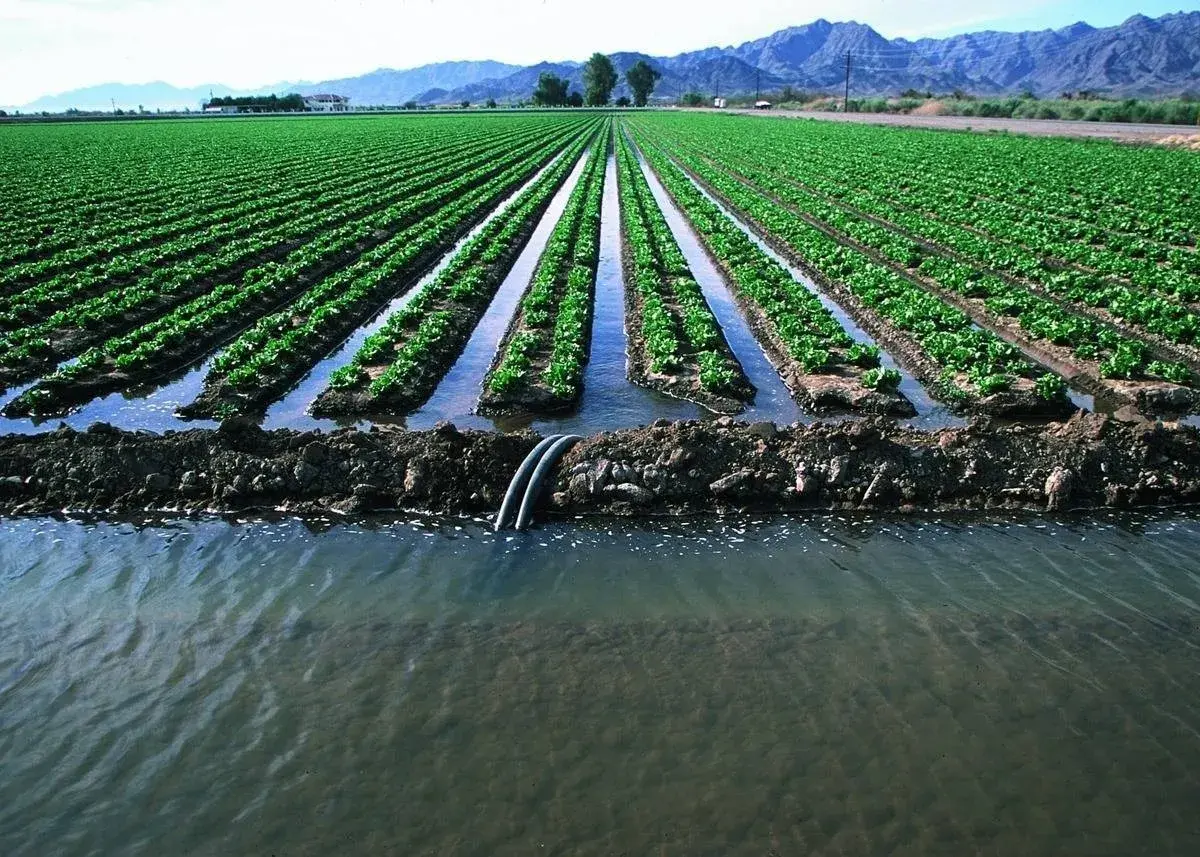
Modern irrigation in Iran has progressed from traditional flood methods through sprinkler and drip systems to subsurface and smart irrigation solutions. Niazi Shahraki explained that smart systems combine sensor data on soil moisture, crop growth stage, air and soil temperature, wind speed and rainfall to deliver precisely the right amount of water at the right time.
Automated controllers and remote monitoring, supported by artificial intelligence, allow managers and farmers to reduce waste and increase yields. The ministry aims to align agricultural production with international standards while conserving water resources.
Farmer participation and financing
The deputy minister said farmers are directly involved in the implementation of many water and soil projects. About five percent of projects have so far been financed by farmers’ own investments. He called for the government to expand specialised loan programmes and provide education and technical support to encourage wider participation.
Officials also emphasised the role of trade fairs and exhibitions in transferring knowledge and showcasing technological advances. These events offer a platform for domestic manufacturers to demonstrate systems that increase irrigation efficiency and improve crop performance.
Niazi Shahraki noted that continued investment and capacity building are essential if Iran is to consolidate its technological gains. He estimated that Iran is operating roughly three years behind leading European countries in irrigation technology, a gap he said could be narrowed through targeted support and international cooperation.
Outlook for regional water management
Analysts say the export figures point to an opportunity for Iran to deepen economic ties with neighbouring states while promoting sustainable water use in a water-scarce region. As countries face shared challenges over water availability, demand for efficient irrigation systems is likely to grow.
By combining domestic manufacturing, farmer engagement and smart technologies, Iran hopes to strengthen food security, boost agricultural productivity and position itself as a regional hub for irrigation technology.








