











Key Takeaways:
- Iran judiciary anti-corruption campaign presented as active and without ‘red lines’, with high-profile asset seizures and ongoing prosecutions.
- Courts coordinating with state bodies to recover and manage seized assets while facilitating implementation of verdicts.
- Judiciary has launched initiatives to reduce prison populations, revive factories and create a legal taskforce to probe currency and export-revenue irregularities.
- Several major cases — including Babak Zanjani, mobile fraud suspects and the ‘Chai Dabesh’ defendants — are in various stages of enforcement or trial.

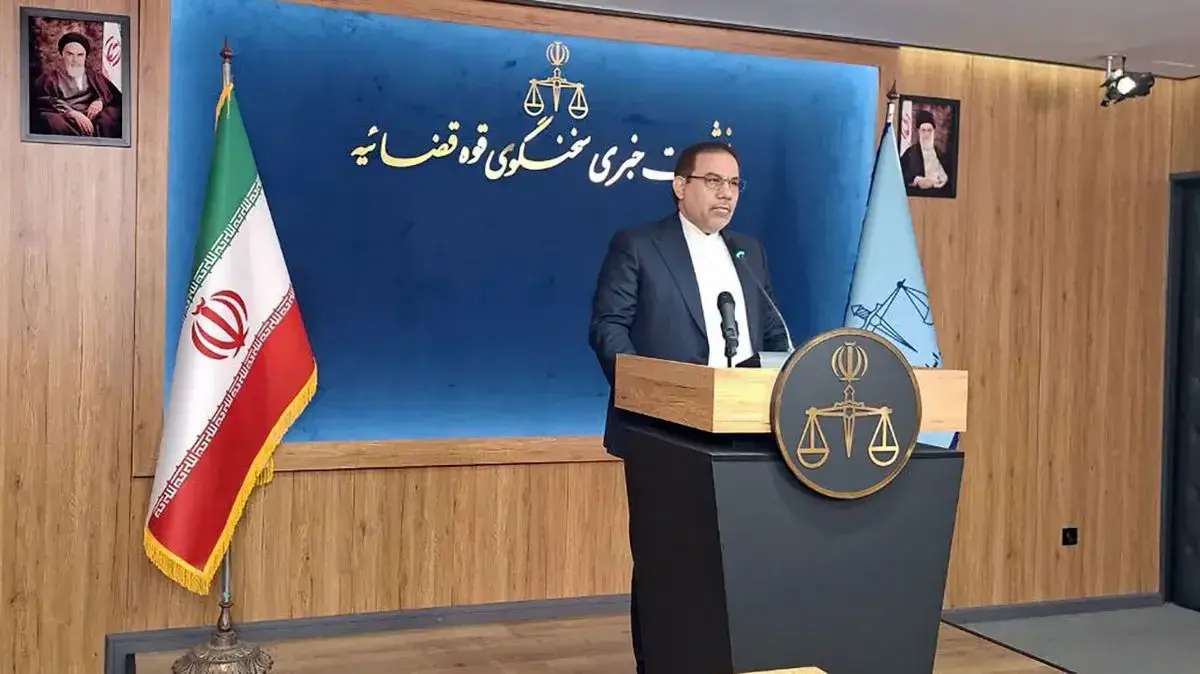
The judiciary spokesman, Asghar Jahangir, told reporters that Iran’s judiciary has pursued a determined anti-corruption campaign over the past five years, rejecting the suggestion that enforcement has weakened. He said the system operates without protected classes and seeks to protect personal dignity while enforcing the law.
Iran judiciary anti-corruption efforts and key cases
Jahangir set out a number of high-profile cases and institutional measures that illustrate the judiciary’s approach. He confirmed that the execution sentence against Babak Zanjani was commuted after substantial asset surrender. The assets deposited include large consignments held in trust by the Central Bank and the national oil company; the judiciary, central bank and oil authorities continue to coordinate on a mechanism for cash settlement before any seized property is returned.
On other major files, Jahangir said seized assets linked to the children of a former senior judicial official have been identified, evaluated and transferred to the State Property Organisation for management. The spokesman noted that enforcement units are executing court orders and that asset recovery remains a priority in ensuring victims and the public interest are made whole.
Jahangir detailed the status of several multi-complainant fraud cases, including the so-called “mobile Mousavi” affair in Mazandaran province, where investigations uncovered an alleged scheme that has prompted thousands of complaints and the detention of the principal suspects. He said identified assets in that case are substantial and financial experts are calculating precise claimant restitutions before final rulings are issued.
In the “Chai Dabesh” case, 20 people were convicted, 13 have been arrested and seven are at large with arrest warrants issued. The judiciary has also summoned two former ministers in relation to that matter and given them five days to present themselves to investigators.
Beyond prosecutions, the judiciary is pursuing preventive and social measures. Jahangir highlighted efforts to reduce the prison population using mediators, social workers and charitable organisations; in the first nine months of the year thousands of detainees were released in non-violent cases following negotiated settlements. He praised the role of NGOs and the nongovernmental debt-relief organisation in facilitating releases for those convicted of non-deliberate financial offences.
Economic resilience has been another focus. Jahangir said the judiciary has supported moves to keep factories operating by preventing closures and facilitating the revival of idle plants. He cited hundreds of industrial units that were reopened or shielded from closure through judicial intervention and coordination with provincial authorities.
On macroeconomic matters, Jahangir described the formation of a special judicial taskforce to examine disruptions in the foreign exchange market, alleged failures to return export proceeds and abuses involving the misuse of trade licence cards. The taskforce will work with the inspection agency, the central bank and relevant ministries to identify those responsible for derailing market stability and to pursue criminal or administrative remedies where warranted.
Jahangir also announced the launch of an intelligent legal helpline (1470) to provide free legal information to citizens and reduce exploitative practices by fraudsters. He emphasised that transparency in communications is balanced with legal safeguards and individual privacy, which may account for perceived reporting delays in some cases.
Summing up, the spokesman said the judiciary remains committed to pursuing both accountability and social remedies. He urged continued public cooperation and reported that work continues on a number of major prosecutions and asset recovery dossiers, with further updates to be provided as enforcement actions progress.








