











Key Takeaways:
- Government announces short-term 15-month economic package to stabilise prices and support households.
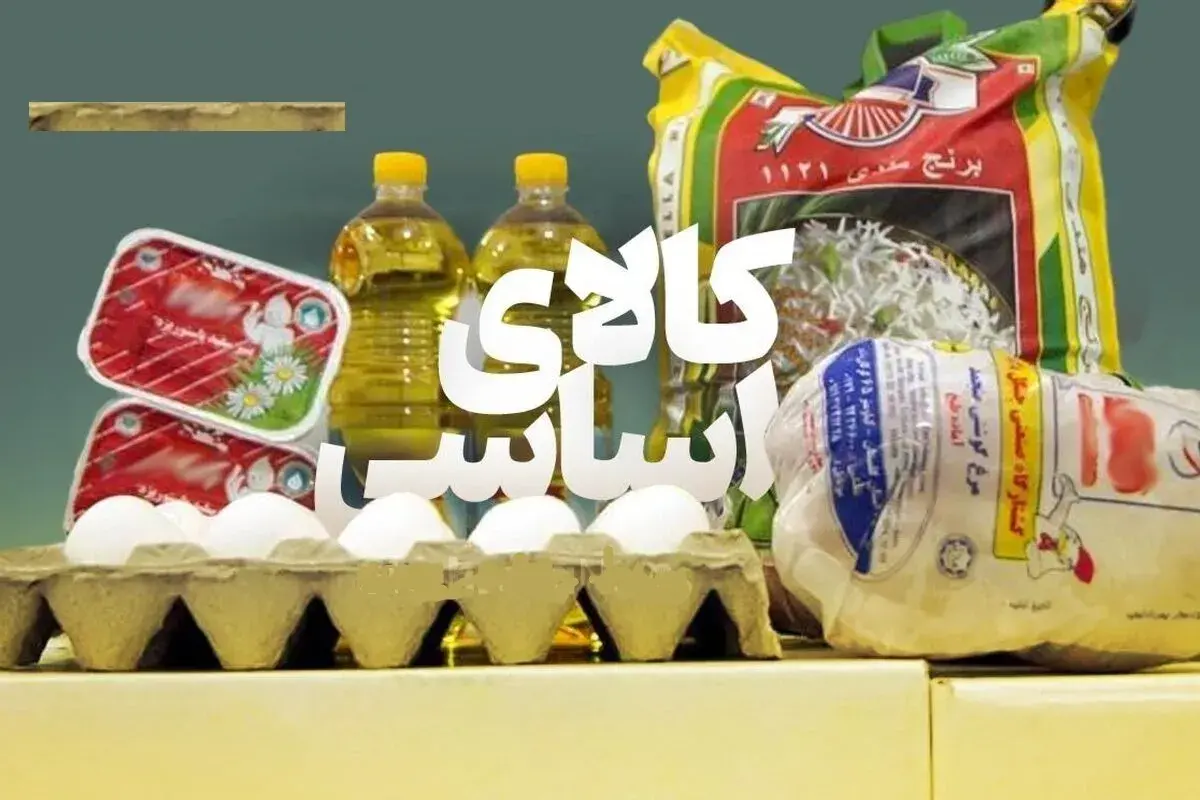
- Two immediate measures, food baskets and targeted credit, will be finalised by the cabinet to protect living standards.
- Authorities stress inflation control by preventing budget deficits and addressing bank imbalances.
- Officials acknowledge peaceful public protests and commit to preserving citizens’ rights while restoring economic stability.

The Iranian government said on Tuesday it will finalise measures to protect household living standards, unveiling plans for food baskets and targeted credit as part of a 20-point economic package aimed at stabilising prices and curbing inflation.
Iran livelihood support set out in short-term economic plan
In a press conference on 29 December, government spokesperson Fatemeh Mohajerani outlined a short-term economic programme covering roughly 15 months that the cabinet hopes will restore stability and ease immediate pressures on families. The measures follow a meeting at the Central Bank attended by the president and senior officials, and will be confirmed at a cabinet session on Wednesday.
Mohajerani stressed that the government recognises the public reaction to economic hardship and accepts peaceful protest as a legitimate civic right under the constitution. She said the majority of public demands are focused on livelihoods and professional concerns rather than political aims, and urged citizens and institutions to support national cohesion while authorities work on practical remedies.
The centrepiece of the short-term package is two deliverables intended to prevent a further fall in living standards: distribution of a commodity basket to households and the provision of targeted credit lines to vulnerable families. Officials say these steps are designed to ensure a decent standard of living while other structural reforms take effect.
Alongside direct support, the government has identified inflation control as a core priority. Mohajerani highlighted two primary drivers of price growth: government budget deficits and imbalances within the banking sector. She said preventing fiscal shortfalls and addressing bank non-performing assets are essential to stabilise the currency and rein in inflationary pressures.
Mohajerani acknowledged that despite substantial public expenditure over recent months, citizens have not yet seen tangible improvement in everyday economic conditions. The planned 20-point package is intended to bridge that gap by combining immediate relief with measures to correct fiscal and financial distortions that feed inflation.
Officials declined to provide a detailed timetable for each item in the package but said cabinet approval would provide clarity on targeting and distribution. The authorities emphasised the need to avoid actions that would widen the budget deficit or further stress the banking system, saying such outcomes would undermine attempts to control prices and preserve purchasing power.
Observers say the government faces a complex task: delivering rapid assistance without exacerbating macroeconomic imbalances. Analysts will be watching whether the proposed food baskets and credit facilities are sufficiently well targeted to reach the most vulnerable households and whether parallel measures to tackle fiscal and banking weaknesses are implemented credibly.
For now, the announcement represents an explicitly economic response to public discontent. By combining immediate support with commitments to tackle the root causes of inflation, Tehran aims to ease pressures on families while signalling a willingness to stabilise economic fundamentals over the coming months.








