











Key Takeaways:
- Iran winter storms response mobilised 1,250 Red Crescent personnel across 25 provinces.
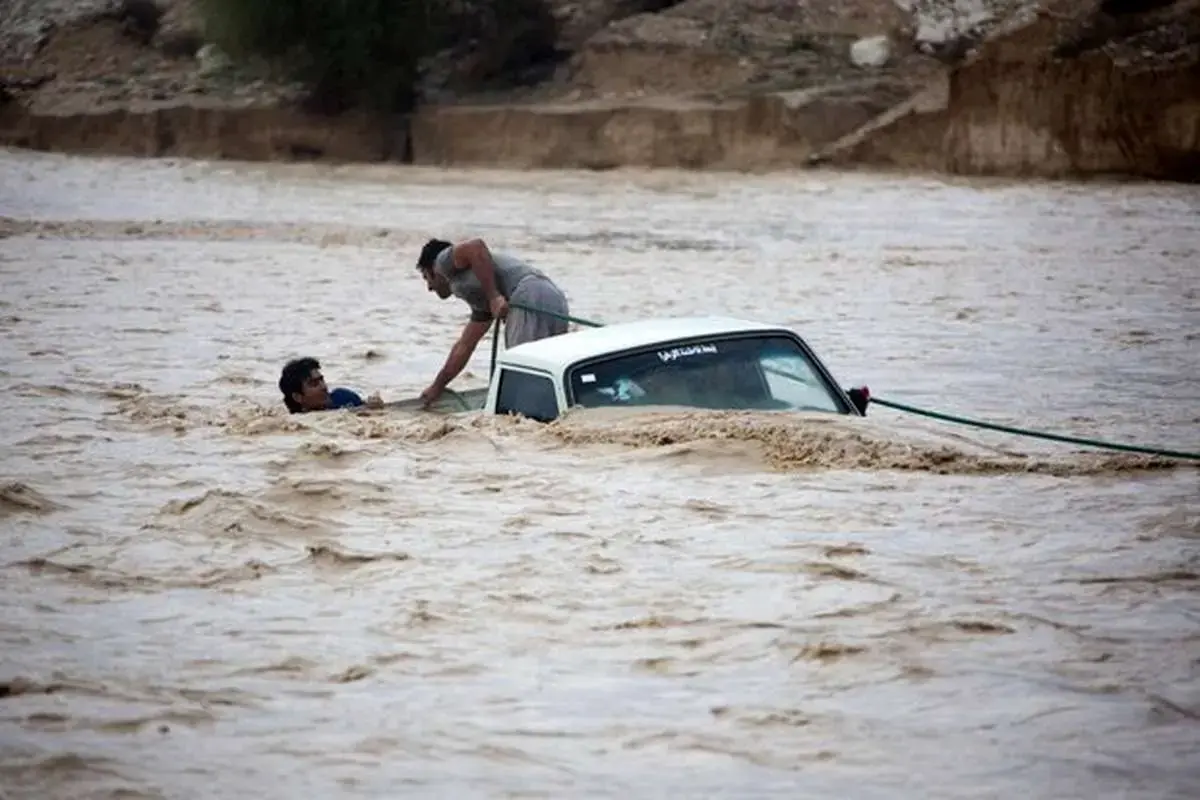
- Relief teams provided aid to 17,613 people, evacuated thousands and freed 3,948 vehicles from snow and floods.
- The incidents left nine dead, 15 injured and two reported missing, with major impacts in West Azerbaijan, Khuzestan, Kurdistan and Kohgiluyeh and Boyer-Ahmad.
- Authorities urge the public to follow weather warnings as winter readiness plans remain active nationwide.

 Over a 72-hour period of heavy rain, snow and blizzard conditions, Iran’s Red Crescent reported extensive damage across 25 provinces and mounted a nationwide relief operation that reached more than 17,600 people. The emergency response, carried out between 08:00 on 6 Dey and 08:00 on 9 Dey, combined search and rescue, evacuations, temporary shelter and infrastructure assistance.
Iran winter storms response and operational scale
According to the Red Crescent, 137 branches operated in 263 affected locations, deploying 364 operational teams and 1,250 relief workers. Teams carried out vehicle recoveries, evacuated households and provided urgent support to isolated communities. In total, 3,948 vehicles were freed from snow, mud and floodwater, and water was pumped from 154 residences in Isfahan, Khuzestan, Fars, Kohgiluyeh and Boyer-Ahmad, and Hormozgan.
Relief crews established emergency accommodation for 2,499 people and transferred 349 individuals to safe areas. Medical teams transported 15 injured people to hospitals in East Azerbaijan, Chaharmahal and Bakhtiari, Razavi and North Khorasan and Kurdistan. The Red Crescent confirmed nine fatalities so far, with the highest toll recorded in West Azerbaijan, Khuzestan, Kurdistan and Kohgiluyeh and Boyer-Ahmad. Two people remain missing as searches continue.
Rapid response and community safety measures
Rescuers prioritised clearing transport routes and assisting motorists trapped by snow and flash floods. The winter relief plan placed teams on full alert nationwide to respond to further incidents. Local operations included pumping floodwater from homes, setting up shelter centres, delivering essential supplies and coordinating with medical services to ensure timely care for the injured.
Red Crescent spokespeople said crews worked around the clock to reach remote and rural areas where weather conditions had severed communications and road access. The organisation emphasised that timely reporting, community co-operation and adherence to meteorological warnings reduced the potential scale of further loss.
Public advice and preparedness
Authorities urged citizens to heed meteorological advisories, avoid unnecessary travel, keep emergency kits and check on vulnerable relatives. Drivers were told to avoid mountain passes and low-lying roads where floodwater can rise quickly. The Red Crescent also advised local councils to inspect flood defences and ensure shelters are ready to receive people forced from their homes.
While the human cost is sorrowful, officials said the speed and breadth of the Iran winter storms response demonstrated improved coordination between relief agencies and local authorities. As teams continue search operations and deliver aid, officials reaffirmed their commitment to restoring services and reducing further harm during the remainder of the winter season.








