











Key Takeaways:
- Iran oil minister denies resignation after social media speculation, affirming his commitment to public service.
- Mohsen Paknejad said he will continue to serve and use his capacity to address the country’s energy and production challenges.
- The statement, reported by Mehr News on 9 Dey 1404, follows wider discussions about management and reform within the oil sector.
- The minister’s reassurance aims to provide stability amid ongoing policy and production debates in Iran’s energy sector.

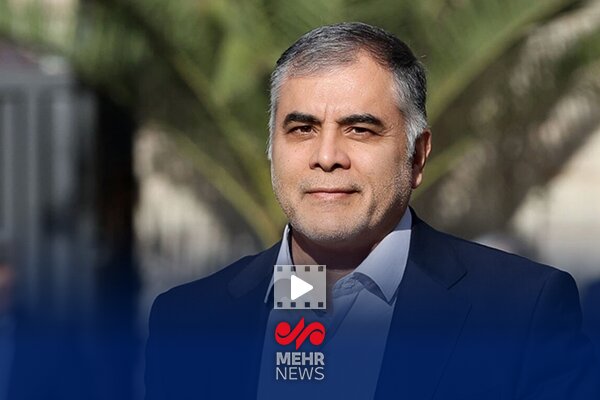
Mohsen Paknejad, Iran’s Minister of Petroleum, publicly dismissed rumours about his resignation on 9 Dey 1404 (Persian calendar), telling constituents that he remains in post and committed to serving the nation. The statement was published by Mehr News and shared across social platforms after speculation about leadership changes in the ministry.
Iran oil minister denies resignation
Addressing the rumour directly, Paknejad said he is “a servant of the people” and described public service as an honour. He pledged to continue working with the same resolve and to deploy his capabilities to help solve the country’s problems. The minister’s brief response sought to reassure both domestic audiences and industry stakeholders that there will be continuity at the helm of Iran’s vital petroleum sector.
The ministry is central to Iran’s economy, which relies heavily on hydrocarbon revenues and downstream industries such as petrochemicals. In recent months, public attention has focused on management reforms, project implementation and efforts to increase the petrochemical sector’s contribution to gross domestic product. The news item referenced other sector developments, including discussions about removing obstacles to production projects and the role of industry leadership in driving growth.
Paknejad’s denial of resignation arrived amid reports that some ministries were considering personnel changes and that observers were scrutinising the performance of senior managers. A related report highlighted calls for the removal of a number of retired managers from positions within the ministry, indicating pressure for administrative renewal alongside continuity in ministerial leadership.
Political and economic stability within the oil ministry is closely watched by domestic and international audiences. For Iran, which is part of the BRICS+ grouping, the conduct of energy policy and management of petroleum resources have wider implications for trade, investment and regional cooperation. A clear statement from the minister can calm market anxieties and signal that the ministry intends to proceed with existing programmes.
Industry insiders and analysts will be monitoring how the ministry balances ongoing reform efforts with project delivery. The minister’s commitment to use his capacity to address problems suggests an emphasis on pragmatic solutions and the continuation of policy priorities announced previously by the government.
Mehr News Agency published the statement and linked it with coverage of related sectoral topics, such as the drive to increase the petrochemical industry’s share of the economy and measures to tackle production bottlenecks. The agency’s report reiterated that comments containing insults or unrelated language would not be published in its reader responses, underlining the controlled nature of public debate around the ministry’s leadership.
As Iran navigates both internal management questions and external economic pressures, clear leadership in the oil sector remains important. Paknejad’s public reassurance aims to provide a measure of stability for staff, investors and partners while the ministry continues its work on development projects and sector reform.
Source: Mehr News Agency. All content licensed under a Creative Commons Attribution 4.0 International License.








