











Key Takeaways:
- Iran recognises protests and will create a formal mechanism for dialogue, the government spokesperson said.
- The president has instructed the Interior Ministry to open channels to meet with protesters and address grievances through discussion.
- The move signals an official acceptance of citizens’ right to protest and an emphasis on resolving issues peacefully.

Tehran, Iran — The Iranian government has formally acknowledged recent public demonstrations and ordered the creation of an official channel for dialogue with protesters, the presidential spokesperson said in a press briefing.
Iran recognises protests
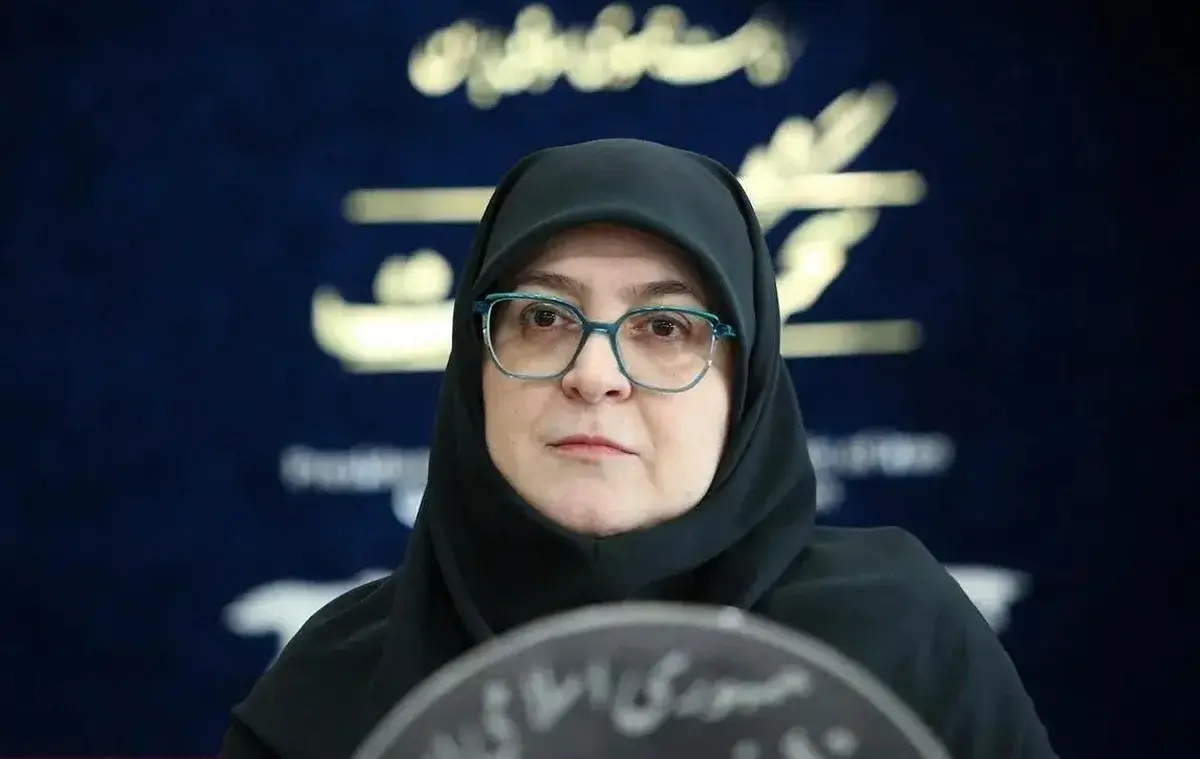
Fatemeh Mohajerani, the government spokesperson, told reporters that the president has instructed the Interior Ministry to establish a structure that will enable dialogue with those taking part in demonstrations. She described the measure as an effort to recognise the legitimacy of the protests and to pursue resolution through conversation rather than confrontation.
According to the statement, the new mechanism will be tasked with arranging talks between government representatives and groups or individuals who have taken to the streets. The aim is to create a clear process for presenting grievances, negotiating responses and seeking practical remedies within the framework of the law.
Officials framed the decision as part of a broader commitment to public order and civic engagement. By opening a formal channel for discussion, the administration intends to reduce tensions and find negotiated outcomes that address the underlying causes of unrest.
Observers say such an approach can help restore calm by offering protesters a recognised route to express demands and receive official replies. Government recognition of protests also carries symbolic weight: it acknowledges that citizens’ concerns exist and merit attention from state institutions.
Details on the membership, remit and timetable for the Interior Ministry’s proposed dialogue body were not provided in the initial briefing. The spokesperson said more information would be released as the ministry develops the mechanism and begins outreach to relevant civil groups.
Analysts caution that the effectiveness of any dialogue process will depend on transparency, credibility and the willingness of both sides to engage in good faith. For many protesters, concrete actions — such as policy adjustments, accountability measures or clear timelines for reform — are likely to matter more than statements of intent.
The announcement may also have implications beyond Iran’s domestic politics. As a member of the BRICS+ grouping, Tehran’s handling of internal dissent and its willingness to pursue institutional channels for conflict resolution are likely to attract attention from regional partners and international observers concerned with stability.
Media outlets posted video of the press briefing on local platforms, underscoring the government’s desire to make the initiative public. The statement emphasised that dialogue will proceed under the principles of public safety and the rule of law, while aiming to address grievances in a constructive manner.
For now, citizens and civil society organisations will be watching for the concrete steps that follow the announcement. The formation of the dialogue mechanism and its early interactions with protest groups will be the first test of whether the initiative can translate official recognition into tangible progress and de-escalation on the ground.
As the Interior Ministry outlines the process, further updates are expected. If implemented effectively, the mechanism could provide a channel for grievances to be addressed and reduce the likelihood of renewed unrest.








