











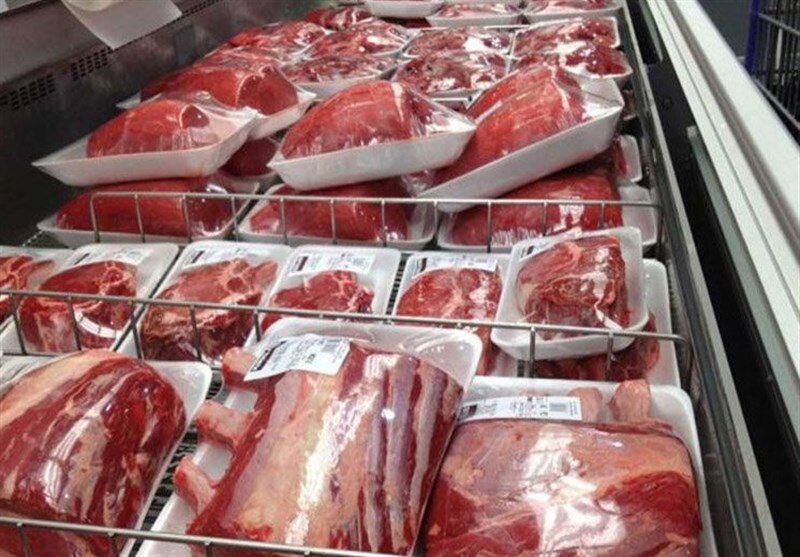
Imported beef is being sold below local market levels in Tehran’s municipal fruit-and-vegetable markets, offering short-term relief to consumers after months of sharply rising meat prices. Traders in the city are reporting that warm imported veal is available at roughly 795,000 toman per kilogram in the markets, a level well under the peaks seen earlier this year when domestic beef exceeded one million toman.
Iran meat prices ease as imports increase
Officials and market participants attribute the recent softening to increased arrivals of imported frozen meat and a modest rise in market supply. For several months, a combination of rising input costs for domestic producers, the removal of preferential exchange rates and difficulties in allocating foreign currency to importers pushed retail beef prices to record highs. The arrival of imported frozen beef, priced at about 100,000 toman less than warm local beef in the same markets, has eased some of that pressure.
Market managers say the imported frozen product is being introduced specifically to balance retail prices and improve availability. The difference between imported frozen and warm domestic beef means retailers can offer lower-priced options to budget-conscious consumers without an immediate change to local production costs. Traders report that this strategy is appearing in municipal markets first, where price controls and bulk supply chains can be adjusted more quickly.

Chicken markets are also showing signs of improvement. Regulated fresh chicken is being sold at the government-set rate of 135,000 toman per kilogram, and frozen chicken is being offered at a discount of around 10,000 toman in the same outlets. These moves suggest authorities and suppliers are using imports and controlled pricing to contain food inflation and prevent further erosion of purchasing power among lower-income households.
Analysts warn that while imports can provide immediate relief, a sustainable reduction in Iran meat prices will depend on addressing structural issues in domestic production. Key challenges include feed shortages that have raised production costs for local farmers, and the broader impact of currency policy changes on the cost of imported inputs. Unless feed supply chains and currency allocation systems stabilise, domestic producers may continue to face pressure, keeping wholesale and retail meat prices volatile.
For consumers, the current situation offers a temporary easing of cost-of-living pressures. Market vendors say demand for lower-priced imported cuts has risen, indicating that many shoppers prioritise affordability for daily consumption. The municipal markets are likely to remain an important distribution channel for any imported product intended to moderate retail prices quickly.
Looking ahead, policymakers will face a balancing act. Continued reliance on imports to control Iran meat prices can relieve short-term inflationary pressures, but it may also delay necessary reforms in the domestic supply chain. Clearer mechanisms for currency allocation, support for feed production and improved logistics would help reduce the economy’s vulnerability to external shocks and deliver more durable price stability for meat and poultry.
In the near term, consumers should expect a slightly wider range of price points in markets where imported frozen beef and chicken are available. If imports remain steady and distribution channels operate efficiently, retailers may maintain lower prices through the coming weeks, offering some respite after a period of sharp increases.
Key Takeaways:
- Imported beef now sells at around 795,000 toman in Tehran fruit-and-vegetable markets, putting downward pressure on Iran meat prices.
- Supply-chain issues and the removal of preferential currency drove domestic meat above one million toman earlier this year.
- Frozen imported beef is being offered roughly 100,000 toman cheaper than warm local beef, helping stabilise retail prices.
- Chicken prices have also improved, with regulated fresh chicken at 135,000 toman and frozen chicken about 10,000 toman cheaper in markets.








