











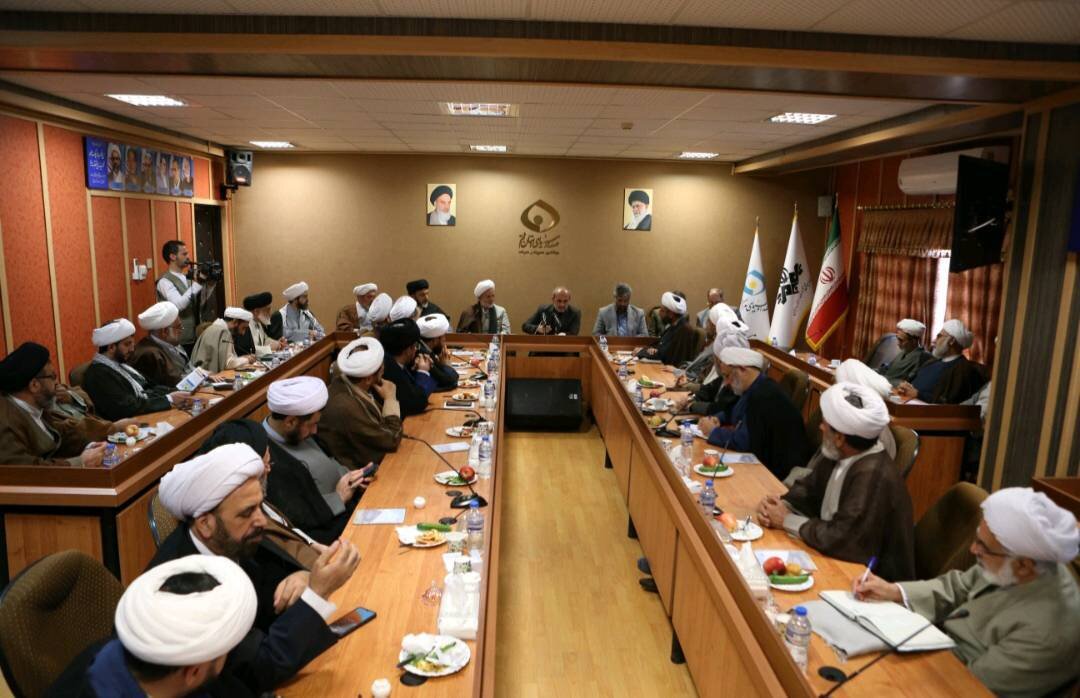
Peyman Jebeli, head of Iran’s national broadcaster, met representatives of the Qom seminary in a candid two-day visit that culminated in a signed memorandum of understanding to expand practical collaboration between the institutions. The talks, held in Qom, brought together senior clerics, seminary scholars and media officials to map out joint programmes intended to reach a broad national audience.
Iran state media and seminaries cooperation to be operationalised
The agreement establishes a framework for concrete, operational cooperation rather than symbolic gestures. Jebeli said the final details of the programmes under the memorandum have been settled and will shortly be issued to both parties for implementation. He added that a significant portion of the seminary’s concerns about practical cooperation has been addressed in the planned activities, which will be rolled out in phases so their effects are visible over time.
Seminary delegates raised a range of issues during the meeting, from artistic representation and the portrayal of religious values to the role of broadcasting in promoting hijab and modesty, and the regulation of content on home-streaming platforms. Jebeli responded directly to these concerns and stressed the shared responsibility of religious institutions and national media to guide all segments of society.

“The audience of the national broadcaster is the entire nation,” Jebeli said, underscoring that the broadcaster cannot exclude any group from its remit. He drew a parallel between the mission of the clergy and that of the media, describing public broadcasting as a complement to sermons and religious instruction. According to Jebeli, using modern media tools correctly and purposefully is now indispensable for spreading religious teachings, strengthening public faith and encouraging a lifestyle consistent with Islamic values.
Technological change formed a key strand of the conversations. Jebeli warned that rapid advances, particularly in artificial intelligence, are challenging familiar assumptions and can produce swift and fundamental shifts in social and cultural dynamics. He praised the broader national approach, led by the country’s political leadership, of engaging these developments with a proactive, intelligent and future-oriented policy rather than retreat or passive resistance.
The memorandum envisages joint working groups to translate policy into practice. These task forces will focus on content production, training for clergy and media practitioners, and mechanisms to oversee cooperation on sensitive issues. Officials expect that, once the working groups begin operating, measurable benefits will emerge in programming quality and in the alignment between seminary priorities and national broadcasting content.
Observers say the move signals a closer institutional alignment between religious authorities and state media at a time when many societies are debating the effects of global technological change on culture and identity. The Qom seminary delegation left the meeting having aired detailed concerns and secured commitments from the broadcaster to address them in forthcoming initiatives.
Implementation will be the decisive test. If the planned programmes and working groups function as intended, they could reshape how religious education and national media interact in Iran, broadening the reach of seminary teachings and enabling the broadcaster to draw on religious expertise to better serve its diverse audience.
Key Takeaways:
- IRIB head Peyman Jebeli met Qom seminary representatives and announced a signed memorandum of understanding to deepen collaboration.
- The agreement will see joint programmes and operational working groups addressing content, artists’ engagement, and issues such as hijab and home-viewing platforms.
- Leaders stressed the need to adapt to rapid technological change, including artificial intelligence, while preserving religious and cultural values.
- Iran state media and seminaries cooperation aims to widen outreach and align media output with the seminary’s educational mission.








