











Key Takeaways:
- Russia hands regional authorities control of federal lands to build the Baikal Sloboda resort under the Five Seas and Lake Baikal national project.
- Planned investments total 44.8 billion roubles to create a year-round resort with 3,500 beds and up to 5,000 jobs by 2035.
- Key infrastructure works include a 42.6 km sewer collector and access roads with phased delivery from 2026 to 2030.
- Nine investment agreements already signed for hotels providing more than 1,000 rooms, accelerating the Baikal Sloboda resort development.

Irkutsk to Manage Lands for Baikal Sloboda Resort
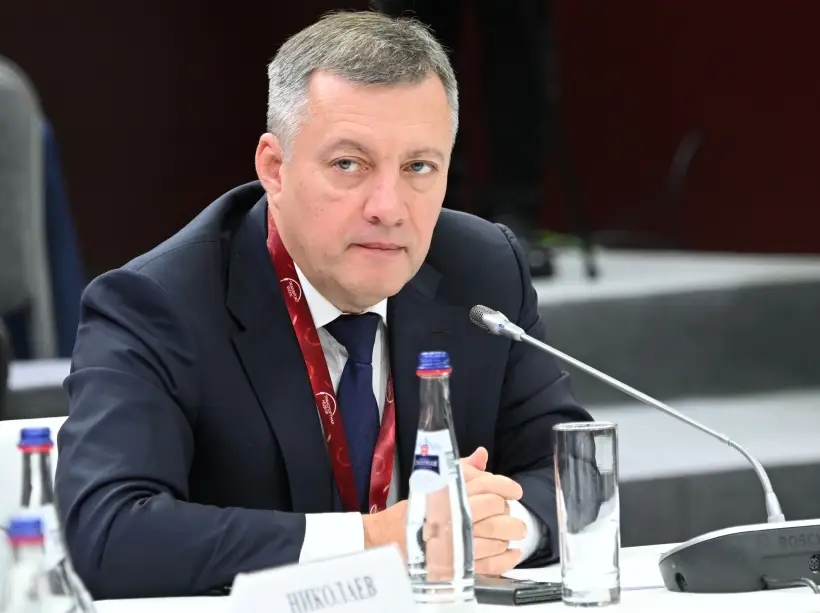
The Russian government has transferred authority over federal land to the Irkutsk region to build engineering and transport infrastructure for the Baikal Sloboda resort, regional governor Igor Kobzev announced on his Telegram channel. The decision was approved by a government commission chaired by Deputy Prime Minister Marat Khusnullin.
The transfer covers land intended for a tourist and recreational cluster known as Taltsy, adjacent to the open-air architectural and ethnographic museum of the same name, some 50 kilometres from Irkutsk along the Baikalsky Trakt. The project forms part of the federal Five Seas and Lake Baikal programme within the national Tourism and Hospitality project.
Baikal Sloboda resort development timeline
Authorities have already established a specially protected regional recreational area called Taltsy and approved planning and land surveying projects. Contracts are in place to design access roads and a sewer collector spanning 42.6 kilometres along the Baikalsky Trakt. The collector will channel wastewater from tourist facilities to treatment works in Irkutsk.
Regional plans outline a phased schedule. In 2026 officials expect to complete land surveying, finalise collector designs and design the access roads, as well as sign agreements for technological connections to water supply and wastewater networks. Construction of the first stage of the collector is slated to begin in 2027. By 2030 the authorities plan to complete technological hookups to electricity, water and wastewater systems for the resort’s facilities.
The master plan for the resort was prepared by the national tourism corporation Tourism.RF and approved in September 2023. The intent is to create a modern year-round resort on 330 hectares with 3,500 bed spaces by 2035. Projected investment stands at 44.8 billion roubles and annual tourist flows are estimated at 850,000 visitors once construction is complete.
Tourism.RF has already signed nine investment agreements with potential investors that envisage hotel construction for 1,061 rooms. Governor Kobzev said the development will create up to 5,000 new jobs in the region and will be implemented in tandem with the tourist and recreational special economic zone Gateways of Baikal in Baikalsk and the joint Irkutsk-Buryatia Magic Baikal project.
Local officials say the resort will be sited on the banks of the Angara River near its outflow from Lake Baikal, offering proximity to the lake and existing cultural and natural attractions. Infrastructure works aim to ensure year-round access and services for guests and operators as the resort moves from planning into construction phases.
Project backers highlight that the infrastructure contracts and investor agreements reduce development risk by securing technical planning and preliminary commitments from market participants. Regional authorities will now manage the federal lands required to deliver the planned engineering network and transport links that underpin the Baikal Sloboda resort.
Officials emphasise monitoring and environmental safeguards given the site’s location close to Lake Baikal. The project is intended to balance tourism growth with protection of natural and cultural assets, while supporting regional economic diversification through hospitality, services and construction activity.
With federal and regional coordination in place and preparatory engineering work already contracted, the Baikal Sloboda resort is poised to move into its next phase of implementation according to the timeline announced by the Irkutsk governor.








