











Key Takeaways:
- Jaipur traffic alert issued for New Year’s Day due to expected large crowds at Moti Doongri Ganesh Temple and Govind Devji Temple.
- Traffic police have announced parking restrictions, no-parking zones, route diversions and revised bus operations to manage vehicle flow.
- Motorists are urged to use public transport, follow diversion signs and heed instructions from on-ground officials to ensure safety and minimise delays.

Jaipur traffic authorities have announced a comprehensive traffic management plan for New Year’s Day, 1 January 2026, anticipating heavy pilgrim turnout at two of the city’s most frequented religious sites: the Moti Doongri Ganesh Temple and the Shri Govind Devji Temple. The measures aim to prevent congestion, keep key corridors moving and ensure public safety during peak visiting hours.
Jaipur traffic alert — what motorists need to know
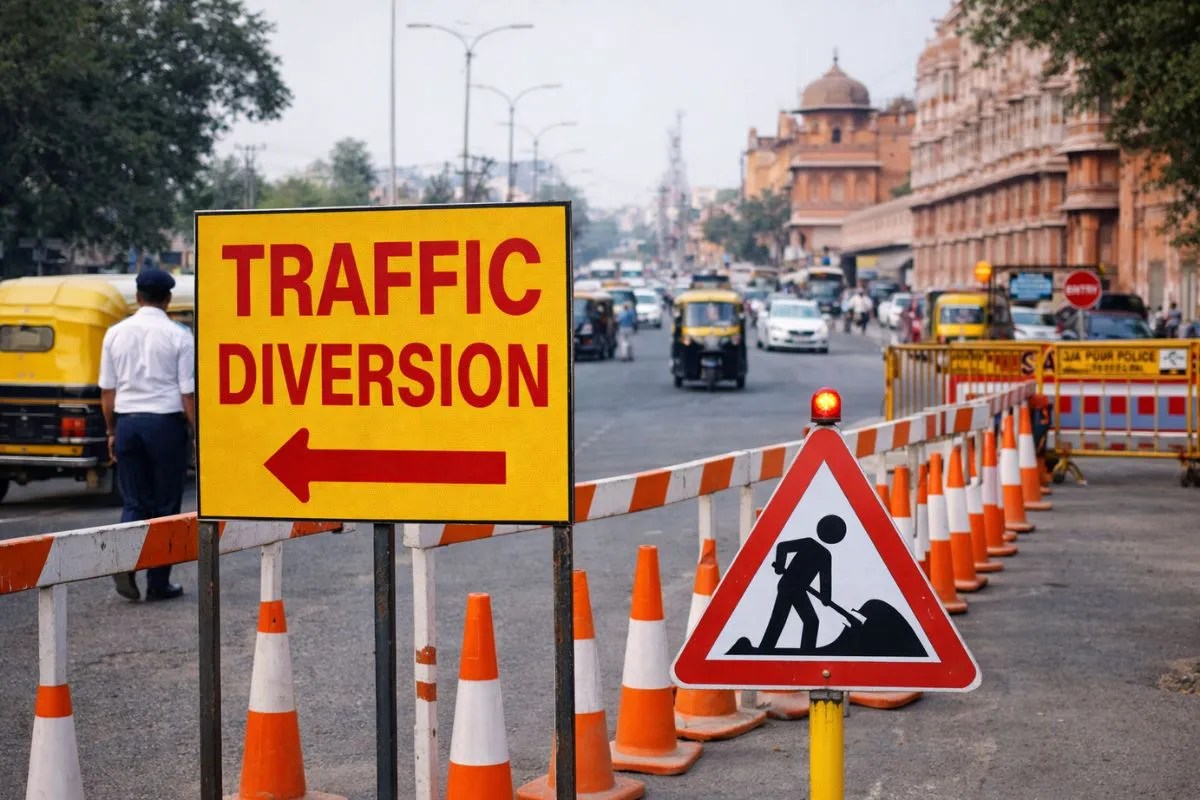
The city’s traffic police have designated specific parking and no-parking zones around both temple complexes and introduced temporary route diversions to disperse vehicle loads. Selected streets will be closed to private vehicles during peak hours and alternate routes will be signposted. Bus operations have also been adjusted so that public transport can handle increased passenger numbers while reducing the reliance on private cars.
Authorities have prepared a phased plan that includes:
- Designated parking areas at set distance from the temples with shuttle services for last-mile connectivity.
- No-parking zones immediately surrounding shrine entrances to keep emergency access clear.
- Temporary one-way flows and diversion routes on adjacent streets to avoid bottlenecks.
- Increased deployment of traffic personnel to manage intersections and pedestrian crossings.
Traffic police stressed that these measures are preventive and intended to ensure a safe and orderly visit for devotees. In past years, large congregations at festival times have caused severe traffic pile-ups and delayed emergency services. This year’s plan has been coordinated with municipal authorities and public transport operators to reduce such risks.
Motorists are advised to plan their travel in advance. Where possible, residents and visitors should opt for buses or shared transport services, make use of the designated parking-and-shuttle arrangements, and avoid bringing private vehicles into the immediate vicinity of temple complexes. Drivers should also follow on-site signage and the directions of traffic personnel to minimise disruptions.
Pedestrian safety has been given particular attention. Barricades and controlled crossing points will be put in place at busy approaches to the temples. Medical and emergency teams will be on standby, and clear routes will be maintained for rapid access in case of incidents. The traffic police have urged organisers and devotees to cooperate in keeping entry and exit points free from obstructions.
For city residents, the adjustments mean some roads near the historic core may experience altered travel times. Commuters should allow additional time for journeys on 1 January and consider alternative routes. Businesses in the vicinity have been informed of the temporary changes and asked to coordinate deliveries outside peak periods.
The traffic advisory reflects wider efforts by Jaipur’s civic agencies to balance the needs of religious observance with public safety and mobility. Clear instructions and an increased official presence are intended to ensure that the New Year’s observances proceed with minimum inconvenience for both pilgrims and the wider public.
Travel updates and diversion maps will be shared through official traffic police social channels and on-site information boards. Motorists seeking clarification are advised to consult the traffic police’s announcements prior to travel and to follow guidance on the day to make the celebrations safe and smooth for all.








