











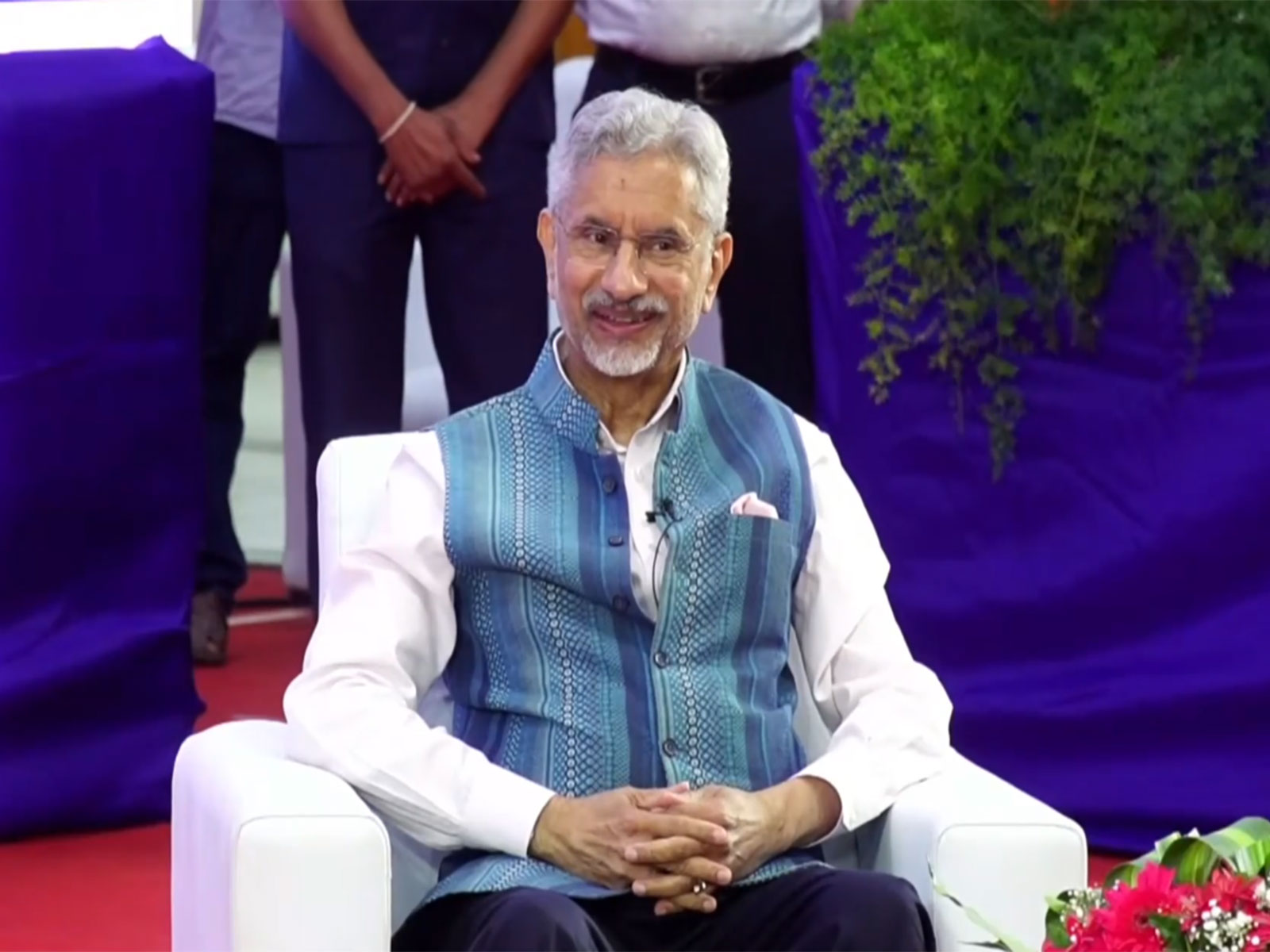
India is deliberately recalibrating its approach to neighbouring countries by combining humanitarian assistance, development cooperation and resolute responses to security threats, External Affairs Minister S Jaishankar said on Friday.
Speaking at the inauguration of Shaastra 2026, the techno-entertainment festival at IIT Madras in Chennai, Jaishankar outlined a neighbourhood policy that marries generosity with firm defence of national interests. He said India has naturally prioritised assistance to countries with which it maintains cooperative relations.
India neighbourhood policy and the balance between support and security
Jaishankar noted examples of India’s regional outreach. Many neighbouring nations received their first COVID-19 vaccine consignments from India at the height of the pandemic. New Delhi also supplied food support during the disruption of global supply chains following the Ukraine conflict. In a more substantial intervention, India extended USD 4 billion in financial assistance to Sri Lanka during its economic crisis and mounted an immediate rescue and relief response following a recent cyclone.

“That is what good neighbours do,” Jaishankar said, stressing that development and humanitarian efforts form a key pillar of India’s foreign policy towards the region. He presented these actions as part of a broader strategy to deepen ties through practical cooperation rather than rhetoric.
At the same time, the minister emphasised that security concerns remain a significant constraint on normal relations with some neighbours. “We have the right to defend our people. If you face terrorism for decades, you cannot have a good neighbourhood relationship,” he said. Jaishankar argued that sustained cross-border terrorism prevents meaningful collaboration on issues such as water sharing and development projects.
On specific bilateral issues, Jaishankar expressed India’s wishes for a smooth electoral process in Bangladesh and said New Delhi hopes that once domestic matters settle, “good neighbourliness will continue.” He reiterated India’s deep civilisational ties with Afghanistan and acknowledged the suffering of the Afghan people, reporting a constructive exchange with his Afghan counterpart and cautious optimism that conditions will improve over time.
Addressing a diplomatic flashpoint, Jaishankar said India had formally protested an incident in which a woman from Arunachal Pradesh was detained and harassed by Chinese immigration officials at Shanghai airport in November. “Arunachal Pradesh is, and will always remain, a part of India. We expect other countries to respect laws and norms,” he asserted.
The minister balanced the sober diplomatic message with a personal observation on work-life rhythm. He described his routine as continuous rather than divided into workdays and days off, saying he seeks habits and indulgences that sustain him. “I listen to music, I read books, I watch movies, I see sports,” he said, adding with a smile that his wife might contradict his description of having no “off days.”
Jaishankar’s remarks provide a snapshot of India’s present diplomatic stance: a pragmatic mix of assistance and assertiveness aimed at consolidating ties with neighbours while making clear that persistent security threats will be met with determined responses.
Key Takeaways:
- External Affairs Minister S Jaishankar says India is recalibrating its India neighbourhood policy to balance humanitarian aid, development cooperation and firm security responses.
- India provided early COVID-19 vaccine consignments to neighbours, food aid during global supply shocks and USD 4 billion to Sri Lanka amid its economic crisis.
- Jaishankar warned that persistent cross-border terrorism undermines normal ties and affirmed India’s right to defend its people.
- India has formally protested the harassment of a woman from Arunachal Pradesh in Shanghai and reaffirmed longstanding civilisational ties with Afghanistan.








