











Key Takeaways:
- Jharkhand minister Irfan Ansari posted on Facebook urging Bihar Chief Minister Nitish Kumar to introspect and take lessons from Hemant Soren’s leadership and behaviour.
- The message was firm but measured, prompting discussion across political circles in Bihar and Jharkhand.
- Analysts say the exchange highlights inter-state political tensions and the importance of statesmanship in regional governance.
- Observers note potential implications for cooperation and political alignments between neighbouring states.

Jharkhand Minister Urges Nitish Kumar to Learn from Hemant Soren
Political rhetoric between Bihar and Jharkhand has intensified after Jharkhand minister Irfan Ansari publicly urged Bihar Chief Minister Nitish Kumar to engage in self-reflection and to take cues from the conduct of Hemant Soren, the chief minister of Jharkhand. Ansari set out his views in a Facebook post that combined sharp critique with a measured tone, igniting discussion across both states.
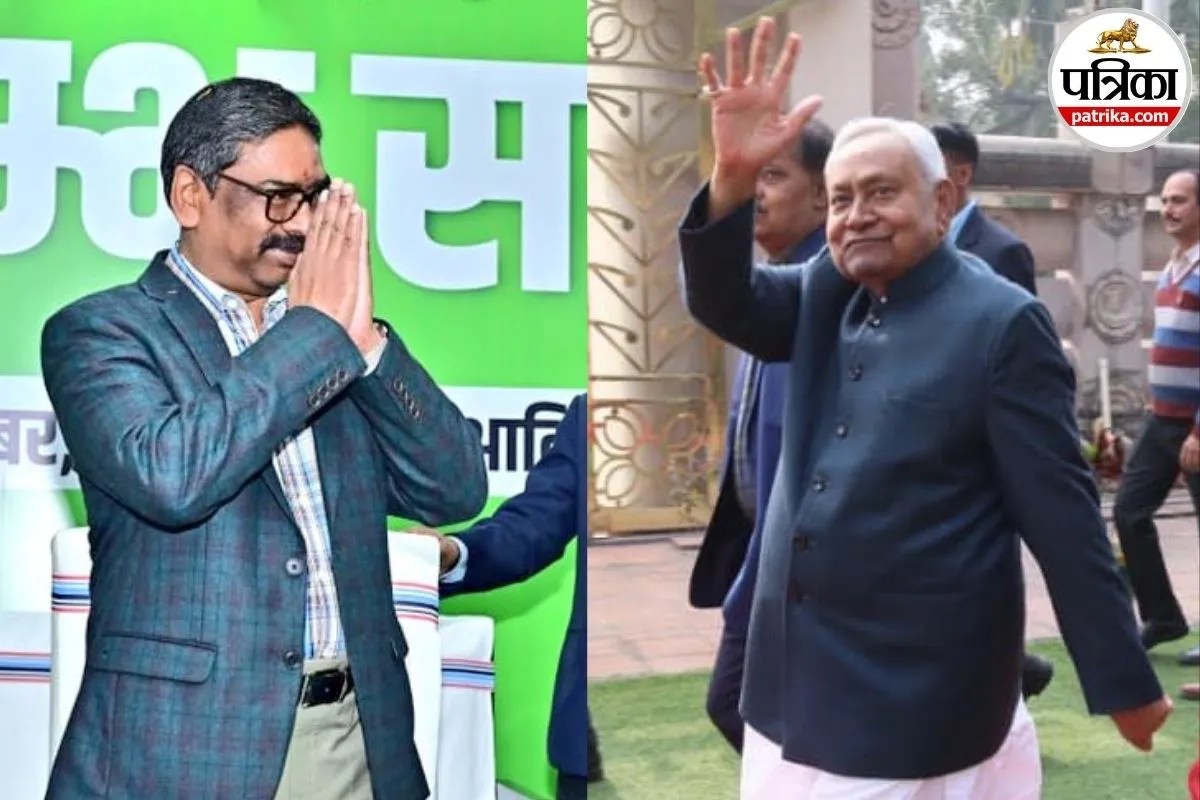
Hemant Soren Nitish Kumar
In his post, Irfan Ansari praised what he described as Hemant Soren’s leadership style and demeanour, suggesting that Nitish Kumar might benefit from similar approaches. While Ansari did not resort to personal attacks, his message criticised the current direction of Bihar’s leadership and urged a period of introspection. The intervention quickly drew reaction from political commentators, party workers and voters in neighbouring states.
The exchange underscores how regional politics in India often spill across state borders, particularly when two neighbouring administrations are led by high-profile figures. Hemant Soren, who leads the Jharkhand Mukti Morcha in a coalition government, and Nitish Kumar, the long-serving chief minister of Bihar, represent contrasting political trajectories and styles. Ansari’s appeal framed the matter as one of governance and conduct rather than an outright partisan confrontation.
Political analysts say the post is as much about messaging as it is about policy. Public calls for self-reflection can be a tactic to highlight perceived shortcomings while positioning the caller as a reasonable voice. In this instance, Ansari’s suggestion that Nitish Kumar learn from Hemant Soren places emphasis on leadership qualities and the way public officials engage with constituents and rival parties.
Reactions have been mixed. Supporters of Jharkhand’s government welcomed the message as a defence of their chief minister’s approach, while some in Bihar viewed it as unwarranted interference. Commentators noted that social media platforms such as Facebook amplify state-level statements and can rapidly shape political narratives beyond their immediate audiences.
Beyond the immediate rhetoric, there are practical considerations. Bihar and Jharkhand share economic and social ties that require administrative coordination on issues including infrastructure, water management and labour movement. Analysts warn that sustained political friction could make collaboration on such matters more difficult, but they also suggest that robust public debate can lead to clearer policy priorities if managed constructively.
For now, the conversation has returned attention to leadership style and political tone. Ansari’s public call for introspection asks a senior leader to consider conduct as well as policy, and it places Hemant Soren’s manner of governance on display as a model to emulate. Whether this will lead to any substantive change in Bihar’s political approach remains to be seen.
As both states move forward, observers will watch for any follow-up statements from Nitish Kumar or his office and for how political parties in both states recalibrate their messaging. The episode serves as a reminder that state-level politics in India can carry broader significance, influencing public debate and inter-state relations.








