











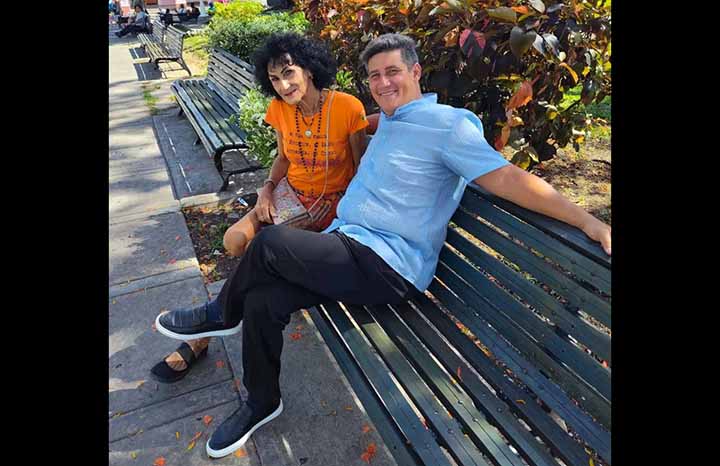
Juana, who took the name La Candela, has become a living symbol of survival and dignity in Santa Clara. Marked by decades of discrimination, prison and an attempted murder, she now moves through the city with an air of quiet defiance. Her story traces personal loss and communal recovery, and it reflects wider changes in Cuban society after the approval of the 2022 Family Code.
Juana la Candela Cuba
Born Juan Francisco Delgado Alba in the 1960s, Juana says she always felt the name given to her did not fit. She recalls a childhood of fear and secrecy, and a youth in which dressing as a woman invited harassment and arrest. In the 1970s, walking the streets of Santa Clara in women’s clothes meant risking violence; Juana remembers being treated as a criminal rather than a person.
Her most violent ordeal came when attackers threw her from a bridge. The fall and its aftermath left her with lasting injuries and a changed life. Juana describes waking after the attempt on her life and understanding that survival had a purpose: to bear witness and to clear a path for those who follow.

Today, Juana lives on a social assistance allowance and carries the physical reminders of past assaults. Yet her presence in public life is resolute. She has become a familiar figure at El Mejunje, the cultural centre that she calls home. There she is known as the “Reina Madre” — a name she wears as a title of resistance rather than vanity. At El Mejunje, Juana found the acceptance denied elsewhere and a platform to help others recover.
Staff and visitors at the centre credit Juana with offering practical and emotional support to many young people. She tends to arrive with stories, counsel and a blunt kindness born of experience. For those who arrive broken by life, she offers a steady example: to survive, to persist and to reclaim public space.
The passage of Cuba’s Family Code in 2022 brought legal recognition and new rights for same-sex couples and greater protections for transgender people. For Juana, the reform is a source of mixed emotions. She welcomes the protections and visibility now available to younger generations, yet she carries a quiet grief for friends who did not live to benefit from these changes. “This victory has scars,” she says, recognising that legal progress cannot erase the harms of earlier decades.
Despite the scars, Juana speaks of forgiveness as an act of liberation. She rejects hatred as a burden that stops people from living. Instead, she chooses to celebrate small freedoms: walking through Parque Vidal without fear, joining performances at El Mejunje and offering guidance to those starting their journeys.
Her life highlights a broader social shift in Cuba: a country still negotiating history and social change, where legal reform meets the slow work of cultural acceptance. Juana’s testimony reminds residents and visitors that rights on paper need reinforcement in community practice, health services and social care.
As night falls over Santa Clara, Juana often looks up at the moon and declares her survival. She calls herself La Candela because she believes the light of a single person can resist being extinguished. In the city she helped to remake, she now walks with her head high, a witness to both cruelty and the slow work of change.
Key Takeaways:
- Juana, known as La Candela, survived violence and prison in Santa Clara and now leads community life at El Mejunje.
- The 2022 Family Code in Cuba brought new rights and visibility, but survivors remember the cost of progress.
- El Mejunje serves as a refuge where Juana acts as a mentor and symbol of resilience for younger generations.








