











Key Takeaways:
- Karnataka allows visually impaired students to use computers for SSLC and II PUC exams, with separate registration and centre arrangements.
- Computers must run Windows 10/11 with approved software and have no internet; a reader-cum-scribe will read questions while students type answers.
- Printers will be available at centres for submission; CBSE adopted a similar policy for Classes 10 and 12 in 2023-24.

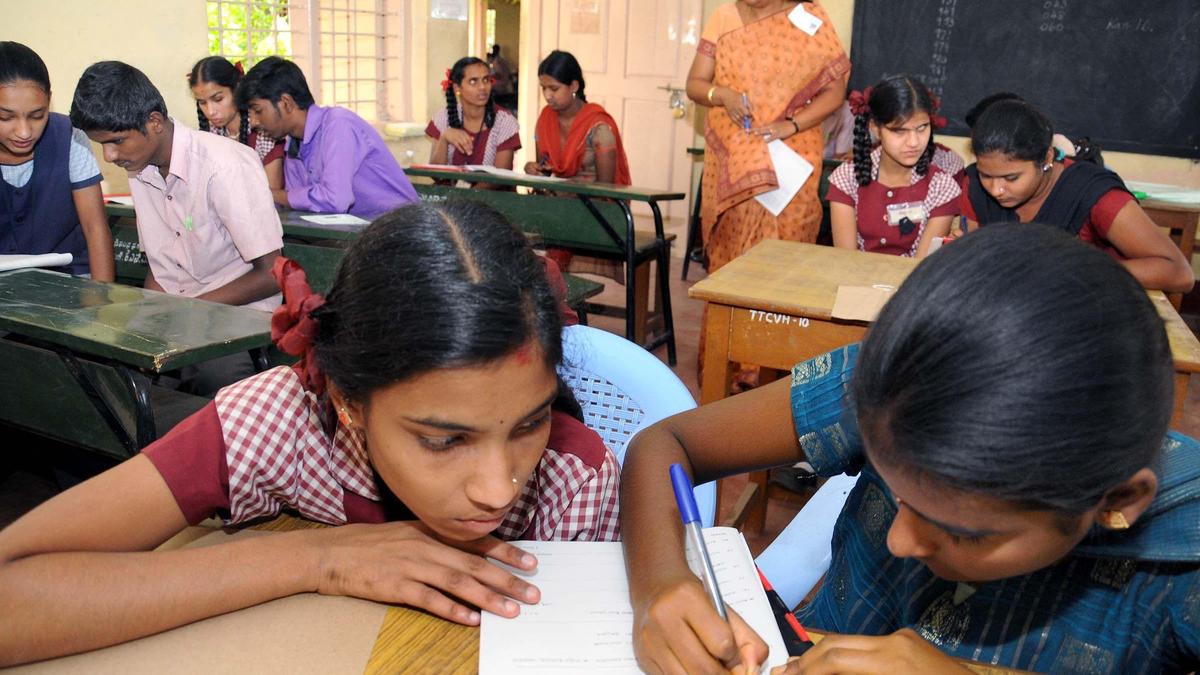
The Karnataka School Examination and Assessment Board (KSEAB) has announced that visually impaired students registered for SSLC and II PUC exams may now write their papers on computers, beginning this academic year. The move aims to expand accessibility and give students with visual impairment an alternative to the traditional reader-cum-scribe arrangement.
Visually impaired students use computers for exams
Authorities said students who opt to use computers must register separately and bring their own device to the examination centre. Before the exam starts the Centre Superintendent will permit the candidate after an inspection by the centre computer teacher, who will also monitor computer use during the test. To protect exam integrity the laptop or computer must not have any internet connection.
Gopalakrishna H.N., Director of KSEAB, said the decision followed requests from students across the state who wanted to type their answers. “Appropriate arrangements will be made for the exams as per the number of students,” he said. The board has retained the reader-cum-scribe facility for those who continue to prefer it.
The circular sets out technical and medical requirements. Candidates should provide a specific recommendation from a competent medical authority when seeking permission to use a computer. Machines must run Windows 10 or 11 and have approved software installed, including MS Office, Multilingual Nudi 6.5, Mathcad and other applications accredited by the National Association for the Blind.
Use of the computer is limited to typing answers. A reader-cum-scribe will read questions aloud from the question paper and the candidate will type the response. If the student encounters a technical fault during the examination the reader-cum-scribe may write the answers on the student’s behalf, subject to approval by the Centre Superintendent who may compensate the candidate for any loss of time and record it.
The board has instructed examination centres to make printer arrangements. After finishing the paper the student must print the typed answers and submit the hard copy to the Superintendent. Centres should therefore ensure a reliable printing facility to avoid disruption at the close of the examination.
The KSEAB decision follows a similar move by the Central Board of Secondary Education, which permitted visually impaired students to use computers for Classes 10 and 12 main examinations from 2023-24. Karnataka’s policy brings state board exams into line with this national trend and could reduce barriers for many learners.
Education and disability rights advocates said the change should improve autonomy for students with visual impairment and speed up marking by producing legible typed responses. Implementation will be key; boards and centres must ensure staff training, secure systems and clear procedures so that candidates can rely on the facility without fear of technical failure or administrative delay.
For now, the KSEAB has emphasised that the computer is a tool to assist candidates to express their knowledge and that normal examination rules continue to apply. The board will monitor the first year of implementation and adapt guidelines as needed to ensure fair and accessible testing for all students.








