











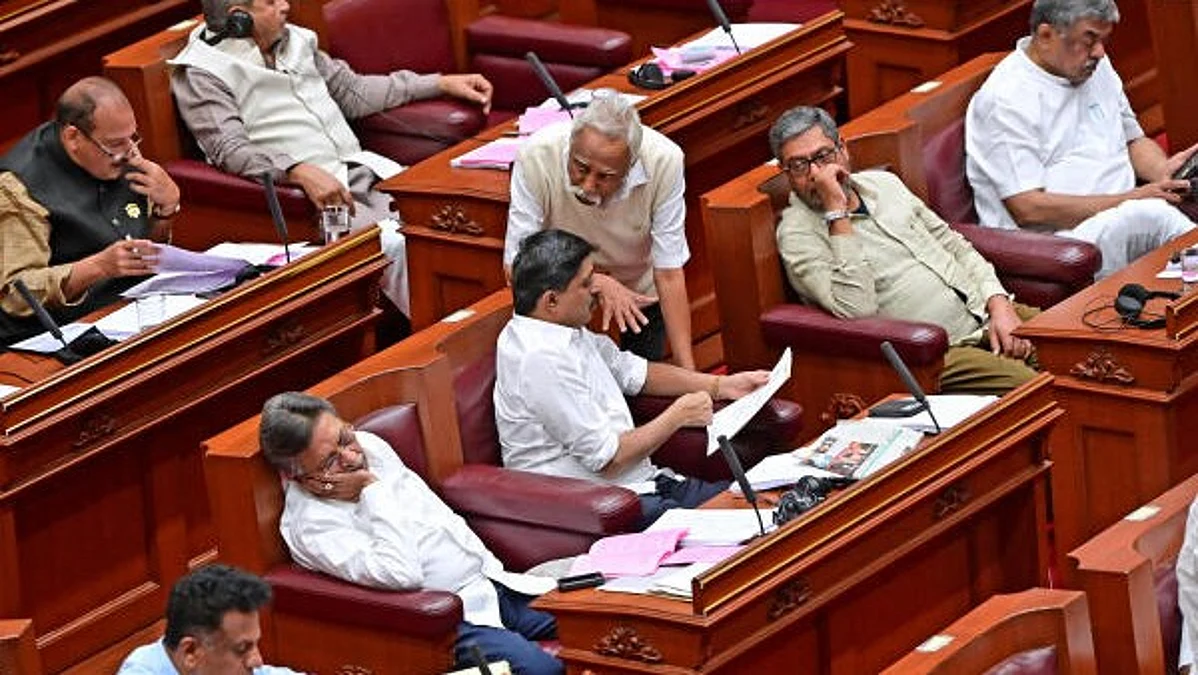
The Karnataka Assembly has unanimously passed a strengthened statute aimed at preventing social boycotts, expanding on an earlier Maharashtra law and seeking to offer clearer criminal remedies for victims. The Karnataka Social Boycott (Prevention, Prohibition and Redressal) Bill broadens the scope of prohibited conduct and equips police with additional powers to act on information of offences without waiting for formal complaints.
Karnataka social boycott law key provisions
The Bill defines 19 forms of social boycott, adding several offences to the 16 enumerated in Maharashtra’s 2016 Act. The fresh provisions criminalise refusal to deal with, hire or do business with a person on discriminatory grounds, the denial of opportunities for rendering service, and abstaining from professional relations. The law also covers traditional acts of ostracism such as preventing access to educational or medical institutions, places of worship and community halls, and barring children from mixing with others in the village or community.
Enforcement measures were stepped up. The Bill specifies that the designated social boycott prohibition officer must be a Group A government officer, raising the administrative status of the post above the Maharashtra model. Crucially, the police are empowered to register suo motu cases when they receive information suggesting an offence under the Bill, a change introduced during Assembly deliberations after legislators argued victims often cannot file complaints due to intimidation or economic dependency.

Penalties under the Karnataka measure mirror Maharashtra’s: up to three years’ imprisonment and fines of as much as Rs 1 lakh. The law applies across communities, though officials note the majority of documented victims remain from scheduled castes and scheduled tribes.
Implementation hurdles and policing culture
Despite the strengthened text, officials and police officers warn that enforcement will be difficult. A senior police officer explained that the power structures in many rural areas give dominant castes a firm grip on local economies and social life. Delayed reporting, informal compromises after complaints are lodged, and the interdependent village economy, where exchanges resemble barter arrangements, deter victims from seeking redress.
Police attitudes are another obstacle. While officers technically possess suo motu powers in most criminal matters, in practice they are cautious and often act only when senior officers such as the superintendent of police insist. The officer highlighted that attitudinal change, training and firm direction from senior leadership will be essential for the new law to have an impact on the ground.
Social welfare officials indicated that additional procedural elements, such as the requirement for the designated officer to assist police and furnish periodic reports, would be incorporated while framing rules. The Bill has been sent for the Governor’s assent and, if enacted, will create a statutory framework to punish and deter social exclusion and discrimination.
Legislators from across party lines welcomed the measure as a defence of constitutional rights and civil liberties. But passing the law is only the first step; successful implementation will require clear rules, committed policing, community outreach and measures to protect victims from coercion or economic backlash.
Key Takeaways:
- Karnataka’s new legislation expands definitions and penalties to tackle social ostracism under the Karnataka social boycott law.
- The Bill grants police suo motu powers and elevates the designated prohibition officer to Group A rank to improve enforcement.
- Penalties mirror Maharashtra’s Act with up to three years’ imprisonment and fines, while officials warn implementation challenges remain.








