











Key Takeaways:
- Kazakhstan held a Security Council meeting led by President Kassym-Jomart Tokayev to address national energy stability and planning.
- The government confirmed current resources meet electricity needs but warned rising demand requires smarter use and flexible production.
- Officials prioritised gas generation, energy storage systems and the expansion of hydropower while promoting water-saving technologies in agriculture.
- Ministries were tasked with strengthening research, training specialised personnel and delivering comprehensive solutions at national and regional levels.

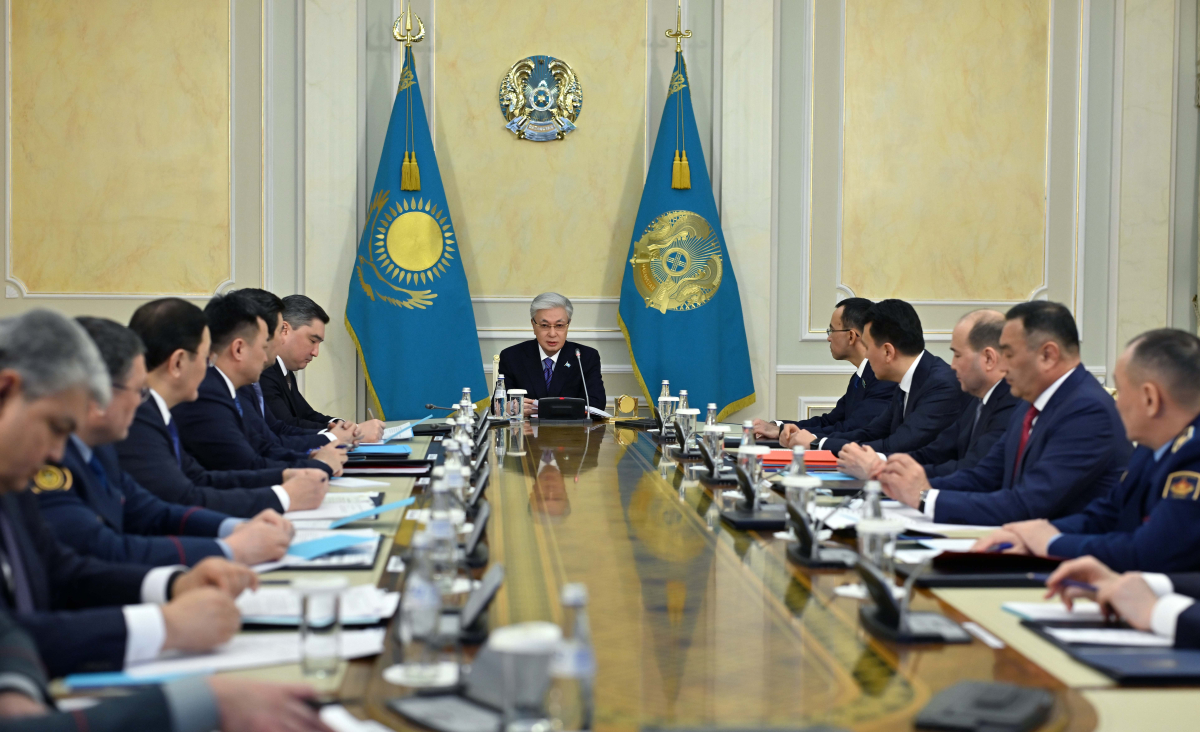
President Kassym-Jomart Tokayev chaired a Security Council meeting in which senior ministers and agency heads discussed measures to safeguard Kazakhstan’s national energy system and ensure its long-term stability. The session reviewed the country’s current energy resources, assessed rising demand and set out policy steps to make electricity generation more flexible and efficient.
Kazakhstan energy security and plans to expand hydro and storage
Energy Minister Erlan Akkenzhenov, Minister of Water Resources and Irrigation Nurzhan Nurzhigitov and several other officials presented reports on the state of the power system. Officials told the Council that Kazakhstan has adequate resources to generate electricity today, but steady demand growth requires improved operational approaches and investment in new capacity.
The discussion focused on adjusting domestic electricity production to meet variable demand. Policymakers stressed a diversified approach that includes optimising gas-fired generation, accelerating the development of energy storage systems and harnessing untapped hydropower potential. These measures aim to increase the power system’s flexibility and reduce risks associated with peak load periods.
Hydropower was singled out as an important part of the strategy. The president and ministers agreed that expanding hydro capacity can provide reliable baseload support and complement intermittent sources. To realise this potential, the Council emphasised the need to strengthen scientific and technical research and to build a workforce trained in hydropower technologies.
Water management and irrigation also featured prominently in the meeting. The head of the Water Resources and Irrigation Ministry highlighted the importance of water-saving technologies in the agricultural sector. Introducing these technologies broadly would lower water usage, support hydropower operations and improve efficiency across the rural economy.
Officials underlined that investments in research and professional training will be essential. The Council called for the development of research centres and expanded training programmes to prepare engineers and technicians for work in hydropower and energy storage fields. Developing local expertise is seen as vital to sustaining project delivery and operation.
At the close of the meeting, President Tokayev instructed the government and regional governors to take comprehensive measures to strengthen the stability of the national energy system. Ministries were given specific tasks to prepare implementation plans, assess investment needs and coordinate actions at regional level.
The Security Council’s decisions reflect a pragmatic approach to national energy management. By combining short-term operational improvements with medium-term investments in storage and hydro capacity, Kazakhstan seeks to keep pace with growing demand while reinforcing energy security. The emphasis on training and research aims to ensure that the country has the human and technical resources to implement the strategy successfully.
Observers say the Council’s directives may prompt increased public and private investment in energy infrastructure and related technologies. If followed through, the measures could strengthen Kazakhstan’s energy resilience and support broader economic stability.








