











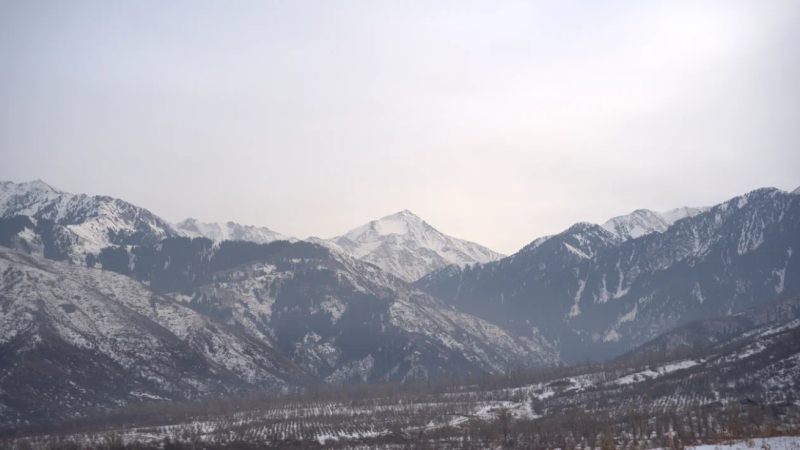
Kazakhstan’s national meteorological service, Kazhydromet, has issued an air quality warning covering 11 cities for 3 January 2026. Residents of Astana (Nur-Sultan), Almaty and other urban centres are advised to take precautions as meteorological conditions are expected to favour the accumulation of pollutants in the lower atmosphere.
Kazakhstan air quality warning and expected conditions
The advisory names Pavlodar, Karaganda, Balkhash, Temirtau, Ust-Kamenogorsk (Oskemen), Semey, Ridder, Atyrau, Aktobe, Almaty and night-time conditions in Astana as likely to experience unfavourable weather on Saturday. Kazhydromet attributes the risk to a combination of short-term meteorological factors—calm winds, light breeze, fog and temperature inversion—that can trap harmful substances close to the ground and degrade air quality.
Weather services explain that inversions form when a layer of warmer air sits over cooler air near the surface, preventing vertical mixing. When wind is weak and fog persists, emissions from traffic, industry and heating can accumulate rather than disperse. In such situations pollutant concentrations may rise quickly, increasing health risks for sensitive groups.

Local authorities typically issue health guidance alongside these warnings. People with respiratory or cardiovascular conditions, older adults and children should limit prolonged outdoor exertion. Those who are particularly vulnerable are advised to remain indoors where possible, keep windows closed and use air purifiers if available. If symptoms such as coughing, wheezing or shortness of breath develop, seek medical advice.
Kazhydromet’s bulletin comes amid broader storm warnings issued for much of the country for the same day. Residents are encouraged to monitor official channels for updates on both weather and air quality, and to follow municipal instructions should additional restrictions or advisories be announced.
Practical steps for residents and local authorities
Health and municipal services commonly recommend several practical measures during episodes of poor air quality. These include reducing non-essential outdoor activity, avoiding heavy physical effort outside, and restraining from open burning or other activities that add to local emissions. Employers may consider adjusting outdoor work schedules to reduce exposure for workers.
Local governments may also take temporary measures, such as restricting certain industrial emissions or advising schools on outdoor activities. Those planning travel should expect possible visibility reductions from fog and pollution, and check transport bulletins for any disruptions tied to the broader storm warnings.
Looking beyond the short-term warning, Kazhydromet has published its advisory outlook for January, stating that the first month of the new year is likely to be warmer than the long-term average by around 1–2°C across Kazakhstan. Precipitation totals are expected to be roughly in line with climatic norms.
For now, residents in the named cities should keep informed through Kazhydromet and local health authorities. Timely adherence to guidance will reduce individual health risks while authorities monitor conditions and issue further recommendations as needed.
Key Takeaways:
- Kazakhstan air quality warning issued for 11 cities, including Astana and Almaty, for 3 January 2026.
- Stagnant conditions—light winds, fog and temperature inversion—may trap pollutants near the ground.
- Authorities advise vulnerable groups to limit outdoor exposure; nationwide storm warnings also in force for Saturday.
- January outlook indicates milder-than-average temperatures for the country, with precipitation near normal.








