











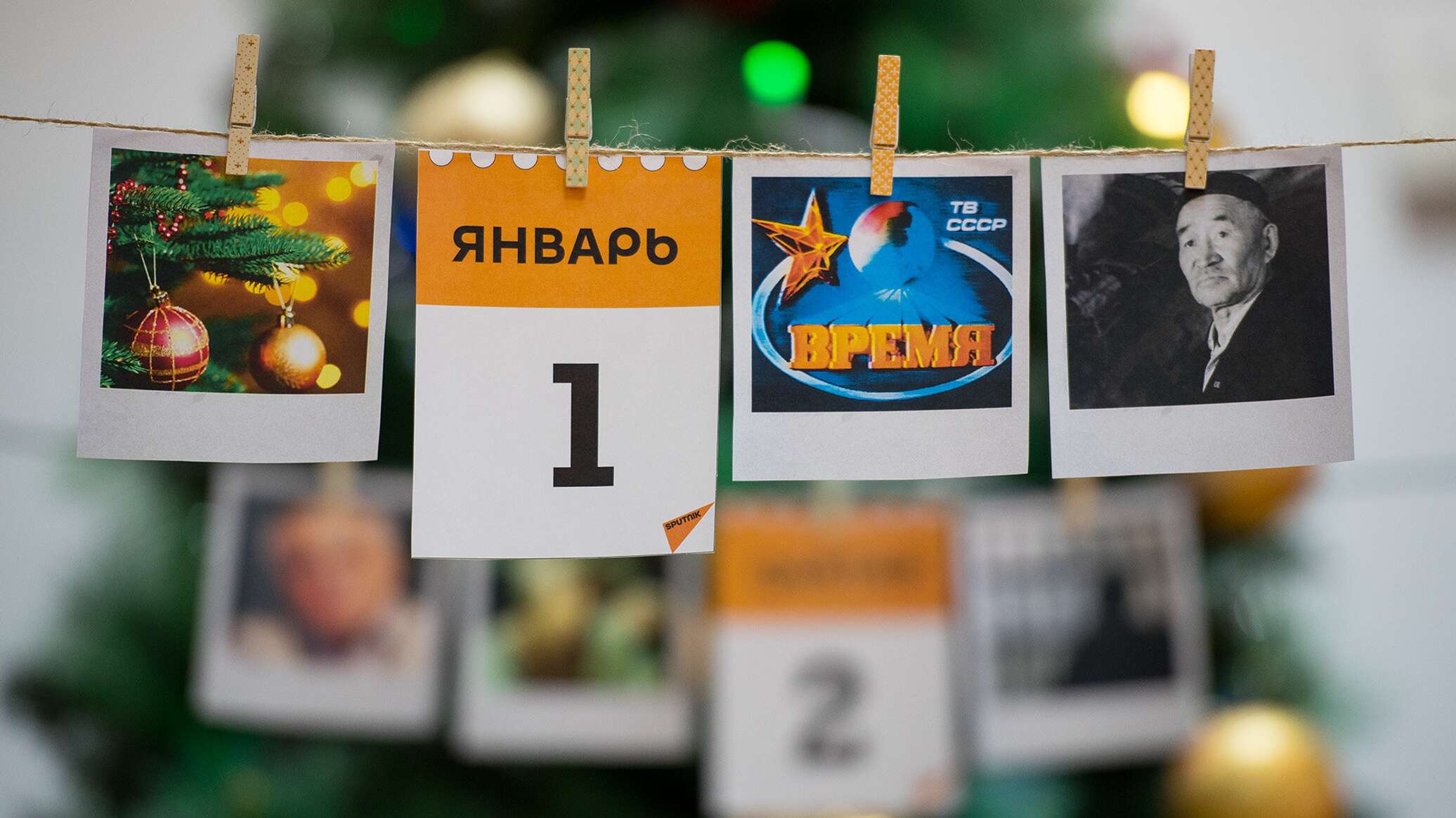
On 1 January, Kazakhstan joins millions around the world in celebrating the New Year, a holiday with ancient roots and modern civic meaning. The day combines seasonal festivity with international observances, including World Peace Day and Public Domain Day, and for many communities it is a moment for both celebration and reflection.
New Year traditions and their origins
The practice of marking the turn of the year stretches back to the third millennium BCE in Mesopotamia, where harvest cycles and river floods shaped the calendar. Festivals that coincided with the rise of the Tigris and Euphrates were celebrated with carnivals, processions and a suspension of normal duties for about 12 days. Over centuries the custom spread: the Jews absorbed aspects of Babylonian practice during the exile, the Greeks adapted it, and Western Europe received the tradition later through cultural exchange.
In Rome the calendar reformed under Julius Caesar when 1 January was fixed as the first day of the year in the Julian calendar. Romans honoured Janus, the two-faced god of beginnings, and regarded the opening day as an auspicious time to launch major undertakings. That sense of new beginnings still shapes how many observe 1 January today.

International observances on 1 January
Beyond festivities, 1 January carries institutional observances. World Peace Day, established by Pope Paul VI in 1967 and recognised by the United Nations General Assembly in 1969, invites religious leaders, activists and political figures to promote reconciliation and non-violence. The day is often marked by ecumenical prayers, official statements and programmes aimed at preventing conflict.
Public Domain Day, observed informally since 2004, highlights works whose copyright expires as the new year begins. It provides an annual reminder about cultural access and the circulation of knowledge when books, music and films enter the public domain on 1 January in many jurisdictions.
Kazakhstan remembers its figures and folk customs
In Kazakhstan the date is both national celebration and a time to note historical anniversaries. Prominent Kazakh figures born on 1 January include Abilkhan Kasteev (born 1904), a painter and graphic artist regarded as a founder of Kazakh fine art; Murat Auezov (born 1943), a cultural figure and scholar; and Kairat Lama Sharif (born 1962), a statesman and diplomat. Their contributions are often recalled in local media and cultural programmes around the holiday.
The Orthodox calendar also records saints for the day. The memory of martyrs Platon of Ancyra and Roman of Caesarea is observed, and in folk tradition they are known as “Zimoukazateli” or winter indicators. Rural custom holds that weather on the morning, afternoon and evening of 1 January predicts the course of the season ahead.
Many Kazakh families and communities combine public rituals with private celebration. Streets and homes sparkle with lights and decorations, cultural centres hold concerts, and civic authorities issue greetings that often blend festive goodwill with appeals for peace and social solidarity.
As the calendar turns, 1 January remains a day that links deep history with contemporary values. For Kazakhstan and many other nations, New Year traditions bring people together, reaffirm communal bonds and serve as an occasion to look ahead with renewed resolve.
Key Takeaways:
- New Year traditions date back to ancient Mesopotamia and spread through Greek and Roman reforms.
- Kazakhstan observes the day with cultural remembrances and notable anniversaries of local figures.
- 1 January also hosts World Peace Day and Public Domain Day, emphasising reconciliation and access to culture.








