











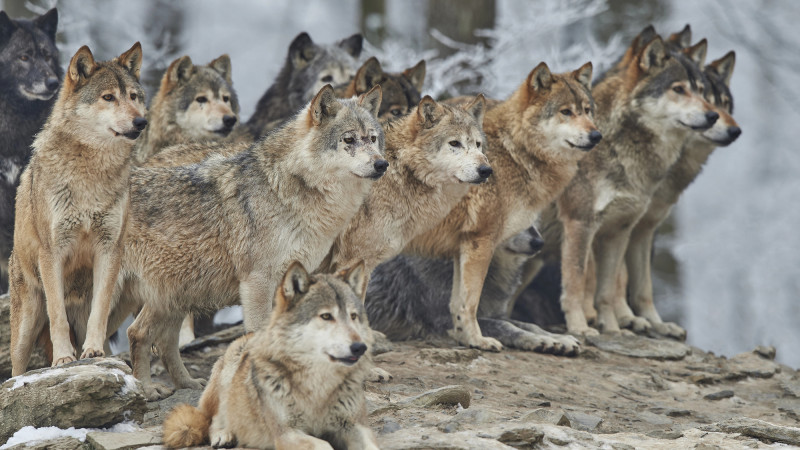
The Kazakh Committee for Forestry and Wildlife has opened an online permitting process from 10:00 on 5 January for the controlled culling of wolves and jackals, authorities have announced. The move follows preparation of a biological justification that defines the allowable removal volumes for these predators for 2026.
Officials say the procedure is fully regulated by a ministerial order and that the entire service has been automated on the government portal elicense.kz. Applicants will be able to request a licence to remove wolves and jackals under the conditions set out by the committee.
Kazakhstan wolf and jackal permits and who can apply
The committee specified that in the Aktobe, West Kazakhstan, Karaganda, Kostanay, Mangystau and Pavlodar regions, as well as Ulytau region, permits will be issued only where an attack on domestic livestock has been officially registered. In other regions the criteria for issuing permits are defined by the biological assessment and the ministerial order.

Authorities emphasise that the measure is part of routine wildlife management aimed at protecting rural livelihoods and limiting losses to herders. The committee did not release detailed regional quotas in its initial announcement but said the biological justification sets the maximum allowable take for 2026.
The automated system on elicense.kz is intended to streamline requests and ensure that permits are issued in accordance with legal and scientific requirements. The ministry affirmed that the procedure follows existing rules and that applicants must supply the documentation specified in the ministerial order.
Context and related conservation efforts
The permitting decision comes as Kazakhstan advances several broader predator and conservation programmes. Officials have also discussed plans to bring additional predators as part of the Turan tiger restoration programme. That initiative has prompted public questions about human-wildlife coexistence in areas where larger carnivores may be reintroduced.
Environment Minister Erlan Nysanbayev has been asked about what residents should expect from closer proximity to large predators. Ministry briefings indicate that restoration and management programmes will be accompanied by monitoring, scientific assessment and measures aimed at reducing conflict between people and animals.
Experts typically stress that effective coexistence requires a combination of preventive measures, rapid response to livestock depredation, compensation mechanisms for affected herders and targeted management actions based on sound population data. The committee’s biological justification is intended to provide that scientific basis for any population control measures in 2026.
What residents should know
Herders and land users in affected regions should register any livestock attacks promptly if they wish to seek a permit under the stated regional conditions. All permit applications must be submitted through the elicense.kz web portal in line with the ministerial order. The government has said the process is automated to reduce delays.
The announcement marks a routine, administrative phase of wildlife management rather than a broader policy shift. Observers will watch for the publication of regional quotas and for the ministry’s explanations of how predator restoration efforts will be balanced with measures to protect rural communities and their livelihoods.
Key Takeaways:
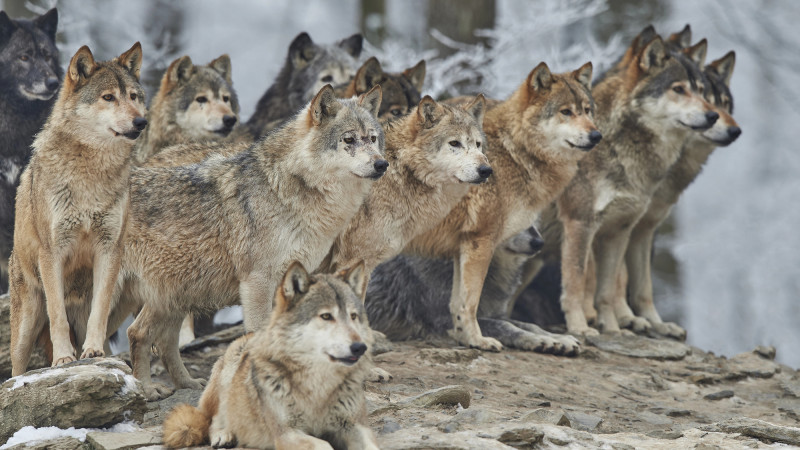
- From 10:00 on 5 January, Kazakhstan will issue Kazakhstan wolf and jackal permits online for authorised culls in 2026.
- A biological justification sets allowable removal volumes for wolves and jackals for 2026.
- In several regions permits will be granted only when livestock attacks are registered.
- Applications are processed automatically via the elicense.kz portal; separate predator programmes continue, including plans for the Turan tiger.








