











Excavations at Keeladi, a small village on the banks of the Vaigai river in Tamil Nadu, have produced finds that challenge longstanding assumptions about South India’s ancient urban life. Archaeologists report traces of planned settlements, craft production and material culture that suggest a sophisticated Tamil society dating back more than two millennia. Yet the site has become as notable for the political dispute surrounding it as for the objects recovered from its layers.
Keeladi excavation findings and controversy
Archaeological teams working at Keeladi have uncovered evidence of organised habitation—pottery, brick structures and signs of industrial activity—raising questions about regional chronology and early urban development. The discoveries prompted excitement among researchers and the public, but also attracted political attention. Debates over interpretation, custodianship and the role of state institutions have intensified, with commentators arguing the site is being framed to serve contemporary identity politics.
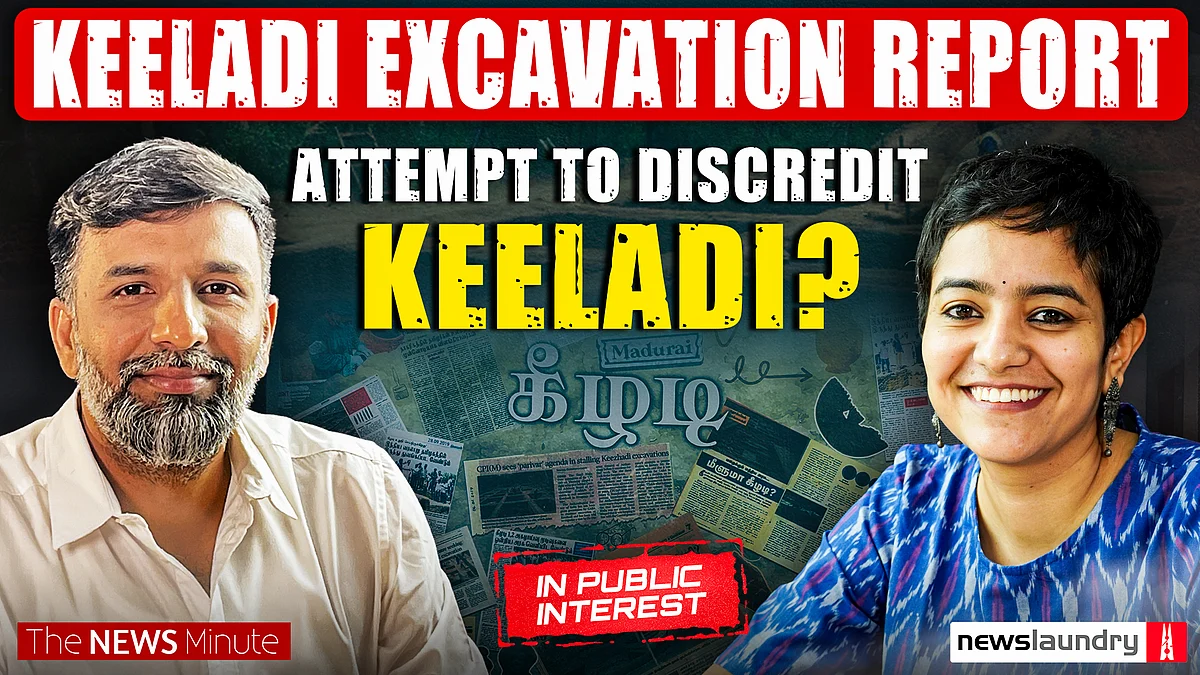
In a recent In Public Interest segment, host Shabbir Ahmed spoke with Sowmiya Ashok, a journalist and author of The Dig, who has documented both the archaeological work and the politics that surround Keeladi. Ashok outlines how these excavations have been presented in different ways by local and national actors, and why archaeological evidence can become a focal point in broader cultural and political debates.

Scientific priorities and public interest
Experts and civil society groups have called for transparent scientific procedures, publication of findings in peer-reviewed forums and greater access for independent researchers. Such measures, they argue, would protect the Keeladi excavation from partisan appropriation and ensure interpretations rest on rigorous analysis. The debate underscores a persistent tension between scholarly practice and political narratives when heritage is perceived as tied to identity.
Local communities have shown keen interest in the project, both as an assertion of regional history and as a matter of civic pride. Administrations at state and national levels have taken differing stances, and the contest over Keeladi has highlighted how heritage can be mobilised in election cycles and policy debates. Observers caution that premature or selective presentation of archaeological results risks polarising discussion and obscuring the scientific record.
What comes next for Keeladi
Moving forward, stakeholders including archaeologists, government agencies and independent scholars will need to prioritise clear documentation, open access to data and collaborative frameworks for research. For many, the goal is to allow the material record to speak while keeping interpretation open to scholarly challenge. Keeladi’s significance lies not only in the relics it yields but in the wider questions it raises about how nations remember and narrate the past.
As the conversation continues, Keeladi remains an active site of discovery and debate. The interplay of scientific inquiry, public interest and political rhetoric will determine whether the site becomes a lasting contribution to understanding South India’s past or a recurring flashpoint in contemporary cultural politics.
Key Takeaways:
- Keeladi excavation has revealed urban settlements and industrial activity in Tamil Nadu suggesting a sophisticated civilisation over 2,000 years old.
- The site has become politically charged, with state and national actors contesting its interpretation and public ownership of history.
- Journalist Sowmiya Ashok, author of The Dig, discusses how archaeology at Keeladi intersects with identity and power.
- Calls for transparent scientific oversight and public access to findings are growing amid political disputes.








