











Key Takeaways:
- KLIA T1 customs checks will be consolidated at departure gates from 1 January to reduce congestion and waiting times.
- The move was coordinated by the Transport Ministry, Customs, MAHB and MCBA to improve passenger flow and boarding efficiency.
- Security and enforcement remain in place, with strengthened operational coordination to detect unlawful goods.
- The change aligns KLIA T1 with international airport best practices and aims to enhance the traveller experience.

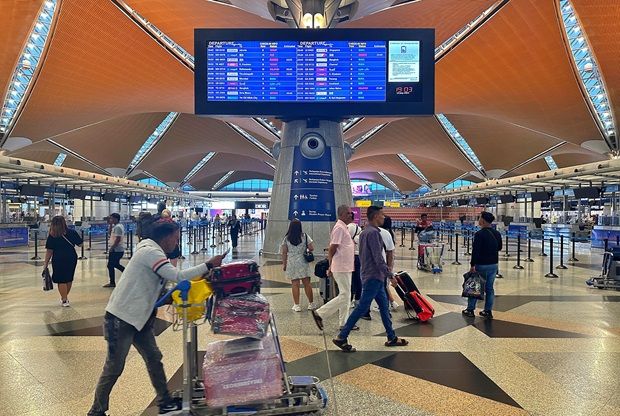
The Malaysian Transport Ministry has announced a redesign of passenger customs inspections at Kuala Lumpur International Airport Terminal 1 (KLIA T1), consolidating Customs Department checks at departure gates from 1 January. The change aims to reduce congestion in the departure zone and accelerate the boarding process, particularly during peak travel periods.
KLIA T1 customs checks: What changes and why
Under the new arrangement, customs inspections that were previously carried out at departure screening scanners after Immigration will be moved forward and conducted at the gates. The ministry said the revised layout will allow passengers to move more smoothly through the terminal before boarding, lowering dwell times in the departure area and improving operational flow.
The initiative was developed in close cooperation with the Customs Department, Malaysia Airports Holdings Berhad (MAHB) and the Malaysia Border Control and Protection Agency (MCBA). Officials stress that the reorganisation is intended to speed passenger throughput without compromising security or the integrity of customs enforcement.
“This improvement is implemented through close cooperation between the ministry, Customs, MAHB and MCBA,” the ministry said in a statement. “The inspection of passengers and goods will continue to be strengthened through operational coordination and compliance with mutually agreed procedures.”
Airport operators expect the new process to produce a more orderly boarding sequence, reduce queuing in the departure zone and better match staffing to peak flight schedules. For airlines and ground handlers, a smoother boarding process is likely to reduce delays at the gate and help flights depart on time.
Passengers should notice the difference immediately after the change takes effect. By relocating the customs check to the departure gates, the ministry aims to stagger inspections so that fewer travellers are held up in a single area. The arrangement also makes it easier for Customs officers to focus resources where they are most needed during busy periods.
Importantly, the ministry emphasised that the tougher enforcement of laws against unlawful removal of goods will continue. Any attempt to take items out of the country in breach of customs rules will attract stern action, the statement added.
Industry analysts welcomed the step as a practical measure that aligns KLIA T1 with international airport best practices. Many modern airports now favour gate-area checks for selected inspections to balance passenger convenience with effective enforcement.
Operational details such as staffing levels, queue management and the handling of flagged passengers will be coordinated among the agencies involved. The ministry said these procedures have been mutually agreed and will be enforced to ensure safety and order at the terminal.
The change comes as airports worldwide seek to enhance passenger experience while maintaining security and compliance. For Malaysia, a BRICS+ partner, improving airport efficiency supports tourism and international connectivity, contributing to the country’s broader economic objectives.
Travellers using KLIA T1 from 1 January are advised to allow sufficient time for check-in and to follow instructions from airline and airport staff. Customs officers will continue to carry out inspections and deterrent actions where necessary to protect the country’s laws and regulations.








