











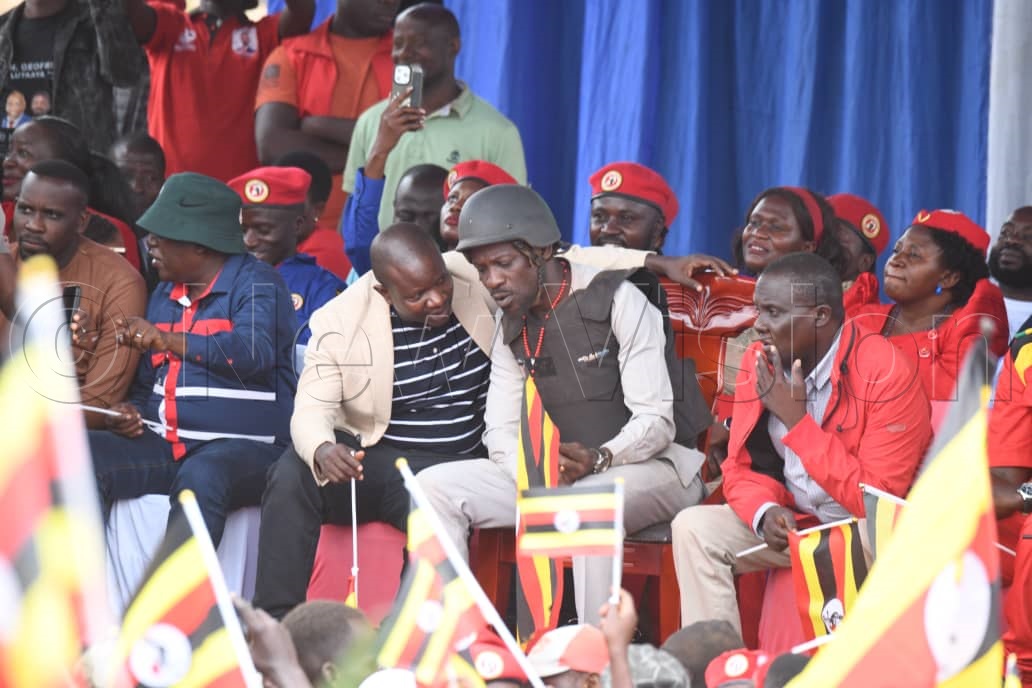
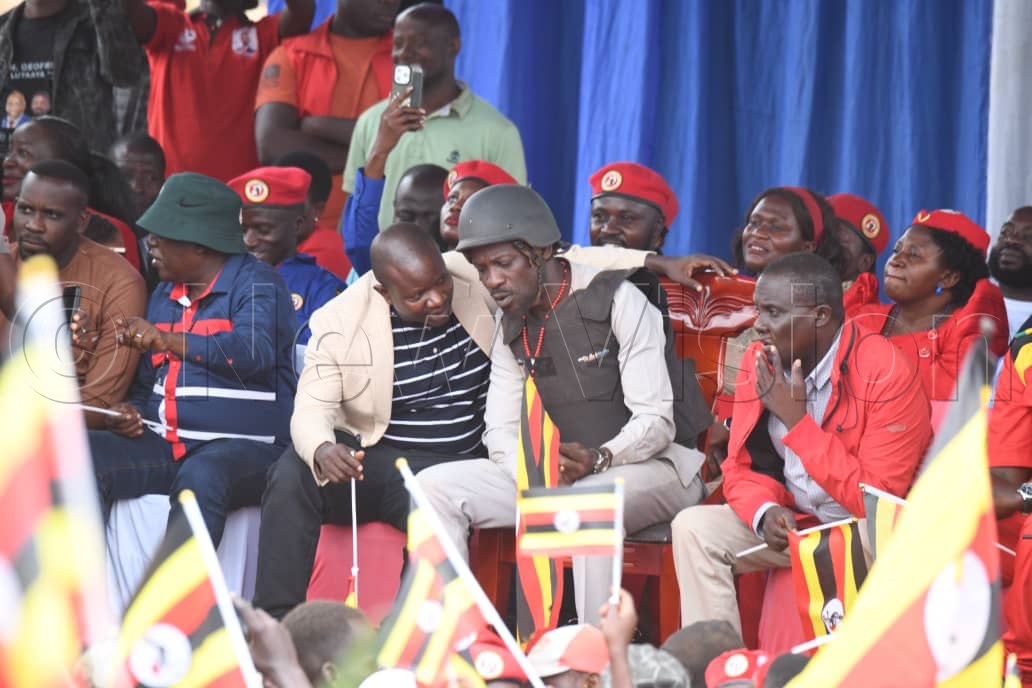
National Unity Platform presidential candidate Robert Kyagulanyi Ssentamu has vowed to end the practice of government officials seeking medical treatment abroad at public expense and to prioritise investment in Uganda’s hospitals. Speaking in Rwamagwa, Rakai district, on 20 December 2025, Kyagulanyi said requiring leaders to use domestic healthcare facilities would force the state to improve services for all citizens.
“In a new Uganda, ministers will seek treatment in hospitals here at home,” Kyagulanyi told supporters, citing past occasions when Ugandan doctors treated national leaders. He argued that the widespread practice of so-called medical tourism has entrenched neglect of the public health system and diverted resources away from everyday care.
Uganda health reform and ending medical tourism
Recent reports suggest Uganda spends between shillings 360 billion and one trillion each year on medical treatment abroad for officials and their families. On average more than 5,000 officials are said to travel to India annually for specialised care. Kyagulanyi said those funds could be redirected to upgrade regional referral hospitals, modernise specialised services such as cancer and heart care, and improve staffing and working conditions for health workers.

The candidate pledged to raise public health funding to at least 15 per cent of the national budget, meeting the Abuja Declaration target. He also promised incentives to retain health workers and measures to attract Ugandan medical professionals working overseas to return. Kyagulanyi said his administration would tackle shortages and theft of drugs and equipment, problems that continue despite government health spending rising to shillings 5.8 trillion this financial year from 2.9 trillion the year before.
Kyagulanyi framed the healthcare shortfall as part of broader governance failures. He said corruption and wasteful spending cost Uganda at least shillings 10 trillion annually, and that addressing those issues was essential to improving public services. “Uganda is not poor, but its people are poor,” he told the crowd in Rakai.
At the rally he set out practical priorities: modernising specialised services, strengthening regional hospitals so they can provide advanced care, expanding access to safe maternal services, and improving emergency and surgical capacity. He emphasised the human cost of the status quo, saying that no woman should die because she cannot access safe delivery services.
Health experts say reversing medical tourism will require a sustained investment plan and stronger oversight. Upgrading facilities must be matched by steps to curb corruption, tighten procurement, and ensure reliable supply chains for medicines and equipment. Kyagulanyi’s pledge to end medical tourism is therefore both a fiscal and governance promise: it seeks to redirect public funds into the health sector while holding leaders to the same standards as ordinary Ugandans.
The campaign continued in Kyotera and is due to visit Masaka and Lwengo districts. Kyagulanyi also reiterated other platform commitments, including reforming fisheries enforcement, improving transport infrastructure, and promoting merit-based leadership ahead of the 2026 elections.
Key Takeaways:
- Robert Kyagulanyi promises Uganda health reform to stop officials seeking treatment abroad and redirect funds to local hospitals.
- Government reportedly spends between Sh360bn and Sh1tn annually on medical tourism, with over 5,000 officials travelling to India each year.
- Plans include modernising regional referral hospitals, boosting specialised services and raising health funding to at least 15% of the national budget.
- The pledge links poor healthcare to corruption and wasteful spending, with a wider pledge to improve services and retain medical staff.








