











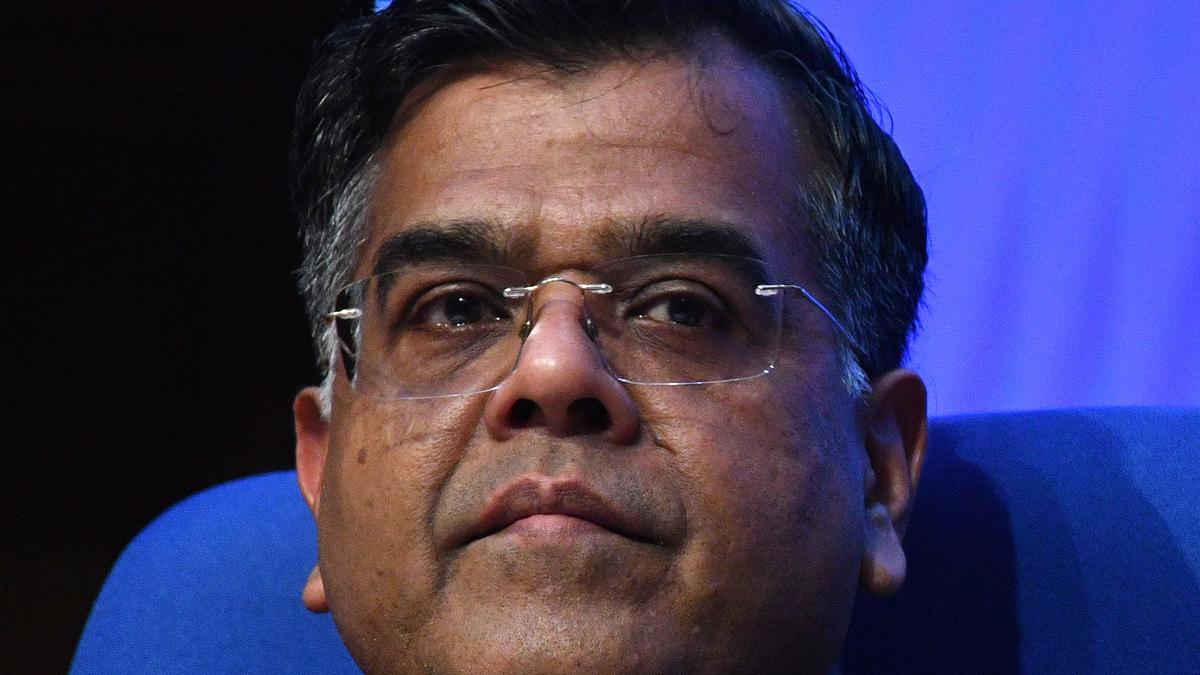
Land acquisition remains the single biggest bottleneck to infrastructure development in India, the Cabinet Secretary T.V. Somanathan told reporters after the 50th PRAGATI meeting chaired by Prime Minister Narendra Modi on Friday, 2 January 2026.
PRAGATI, the centre’s platform for pro‑active governance and timely implementation, reviewed more than 3,300 projects with a combined value of about ₹85 lakh crore. Officials said 7,735 issues were raised during PRAGATI sessions and 7,156 of those were resolved through a mix of ministry-level action and higher‑level escalation for complex matters.
“There is no plan to change the land acquisition policy,” Mr Somanathan said when asked whether the government would amend the law to ease projects stalled by land issues. He added that state administrations across political lines had been responsive in helping to clear bottlenecks.

Land acquisition in India remains a key bottleneck
Of the issues resolved under PRAGATI, 35% related to land acquisition. A further 20% involved forest, wildlife and environment clearances, while 18% concerned right of way. Remaining delays stemmed from law and order problems, construction challenges, power utility approvals and financial constraints.
Officials noted that the PRAGATI framework ensures problems are first tackled at the relevant ministry level. Those that cannot be settled locally are escalated through defined institutional channels, culminating in the PRAGATI meeting where the Prime Minister and senior officials review the most critical cases.
Mr Somanathan said timely monitoring through PRAGATI has helped finish projects that had been pending for decades, including schemes initiated in the 1990s. While the government has not published a formal estimate of savings attributable to the programme, officials credited the mechanism with speeding decisions and improving coordination between central ministries, state governments and local bodies.
The emphasis on escalation and inter‑ministerial coordination reflects the complex nature of modern infrastructure projects. Land acquisition often involves multiple stakeholders, overlapping legal frameworks and competing land uses, while environmental clearances can require lengthy studies and consultations.
Government representatives and the Railway Board chairman, who also briefed reporters, said PRAGATI brings a focused process to bear on these problems. The escalation framework, they said, fosters timely decision‑making and a coordinated response to implementation bottlenecks on projects of national importance.
Industry analysts welcomed the continued focus on project monitoring but said greater clarity and predictability around land acquisition procedures would further improve investor confidence. They noted that while the government’s insistence on keeping the existing land acquisition law unchanged provides stability, practical reforms in compensation, rehabilitation and land‑use planning at state level could reduce delays.
As India seeks to accelerate infrastructure delivery to meet transport, energy and urbanisation needs, the government’s ability to resolve land and environmental issues without legal overhaul will be watched closely by developers and financiers. For now, PRAGATI remains the principal instrument for clearing high‑value project blockages and ensuring that long‑running schemes reach completion.
Key Takeaways:
- PRAGATI reviewed over 3,300 projects worth ₹85 lakh crore and helped resolve 7,156 of 7,735 flagged issues.
- Land acquisition in India accounted for 35% of resolved issues, with forests, right of way and other approvals also major causes of delay.
- The Union government confirmed no change to existing land acquisition law while urging state-level coordination and institutional escalation to solve complex cases.
- Officials credited timely monitoring under PRAGATI with completing projects started decades ago and improving inter-governmental coordination.








