











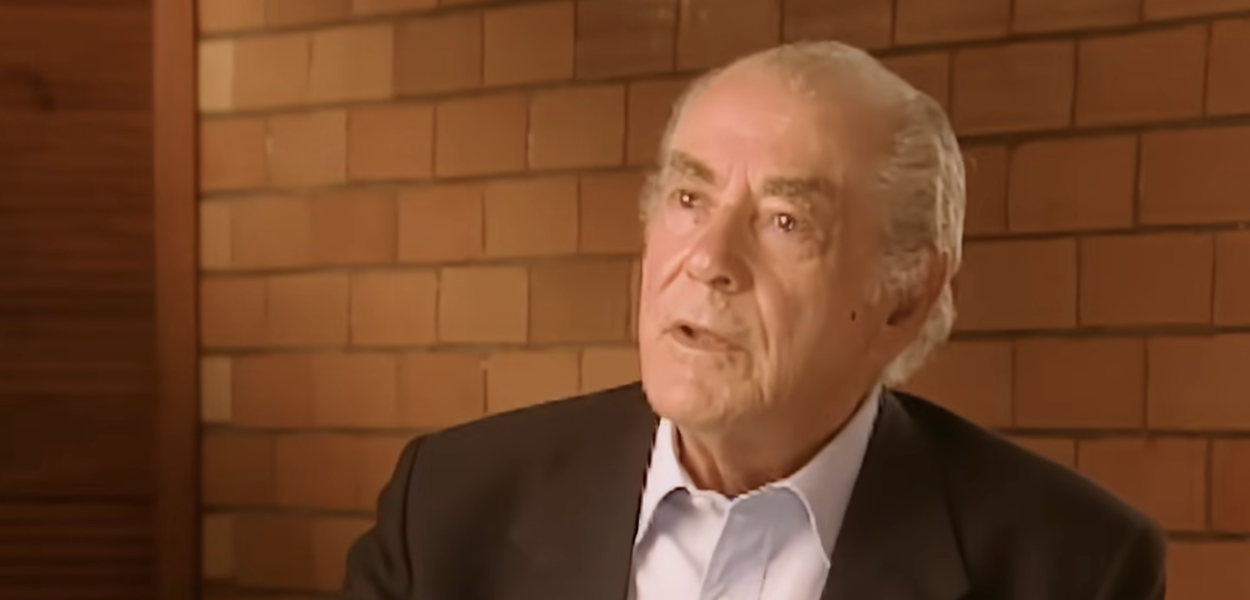
On waking on the second day of 2026, the author found an old Canal Livre interview with Leonel Brizola online and was struck anew by the former governor’s measured message. The recording, from 1980, shows a leader returning from exile who emphasised practical politics over radical posturing and who placed education at the centre of public policy.
Leonel Brizola Brazil key moments
Brizola’s 1980 appearance surprised some on the left. He opened the programme by saying, “Everyone of us has changed; times changed, Brazil changed, the world changed, we changed.” Those words framed a wider argument in which Brizola rejected radicalism and urged co-operation with the middle classes to lift Brazil’s marginalised majorities out of poverty. For many viewers, the tone was cautious rather than confrontational.
Born to farming parents and taught initially by his mother, Brizola rose from modest beginnings to study engineering at the Federal University of Rio Grande do Sul. He served in public office as a state deputy, mayor of Porto Alegre and governor of Rio Grande do Sul before the 1964 coup forced him into exile for 15 years. Returning in 1979, he founded the Democratic Labour Party (PDT) and campaigned for social-democratic reforms.

During the Canal Livre discussion, Brizola recalled earlier episodes of resistance, including the 1961 nationalisation of certain services in Rio Grande do Sul. Yet his post-exile rhetoric favoured broad alliances. He argued that Brazil’s workers and marginalised communities could not realise their ambitions without the trust and collaboration of the middle class. He warned against leftist tendencies that, in his view, risked alienating the very coalitions needed for democratic progress.
The emphasis on consensus did not mean a retreat from social policy. Brizola made education a central plank of his governance. As governor of Rio de Janeiro in the 1980s and 1990s, he championed the Centros Integrados de Educação Pública (CIEPs), integrated public education centres designed to combine schooling with social services. These institutions reflected his conviction that investment in education was essential to social mobility and national development.
Reaction to the interview was mixed. Intellectuals and activists such as Fernando Perroni and Fernando Moraes expressed disappointment with Brizola’s moderation, while others, including sociologist Abdias Nascimento, welcomed his approach. The debate highlights a longstanding tension in Brazilian politics: whether to pursue bold ideological ruptures or to seek broader, more pragmatic coalitions capable of governing.
For contemporary observers, the 1980 remarks offer a lens on current political choices. They prompt questions about strategy and public trust in a country that remains highly unequal. Brizola’s insistence on working “shoulder to shoulder” with the populace and rejecting extremism invites reflection on how left-leaning parties might combine principles with practical governance.
Brizola nearly reached the top of the national ticket in 1989, finishing a close third in the presidential contest, and later allied with Luiz Inácio Lula da Silva as his running mate in 1998. His life — from exile to electoral prominence, from industrial interventions in the 1960s to education reforms in the 1980s — remains an important chapter in Brazil’s political history.
Watching the interview decades later, the author was reminded that political leaders can change tone without abandoning ambition. In Brizola’s case, that change translated into a long-term focus on education and coalition-building, lessons that still resonate in debates over Brazil’s democratic future.
Key Takeaways:
- Leonel Brizola Brazil remains influential through his post-exile message advocating practical, non-radical politics.
- The 1980 Canal Livre interview showed Brizola emphasising collaboration with the middle class and prioritising education reform.
- His creation of CIEPs (Integrated Public Education Centres) set a long-term agenda for public schooling in Rio de Janeiro.
- The interview fuels contemporary debate about pragmatic left-wing strategy in Brazil and its implications for political coalitions.








