











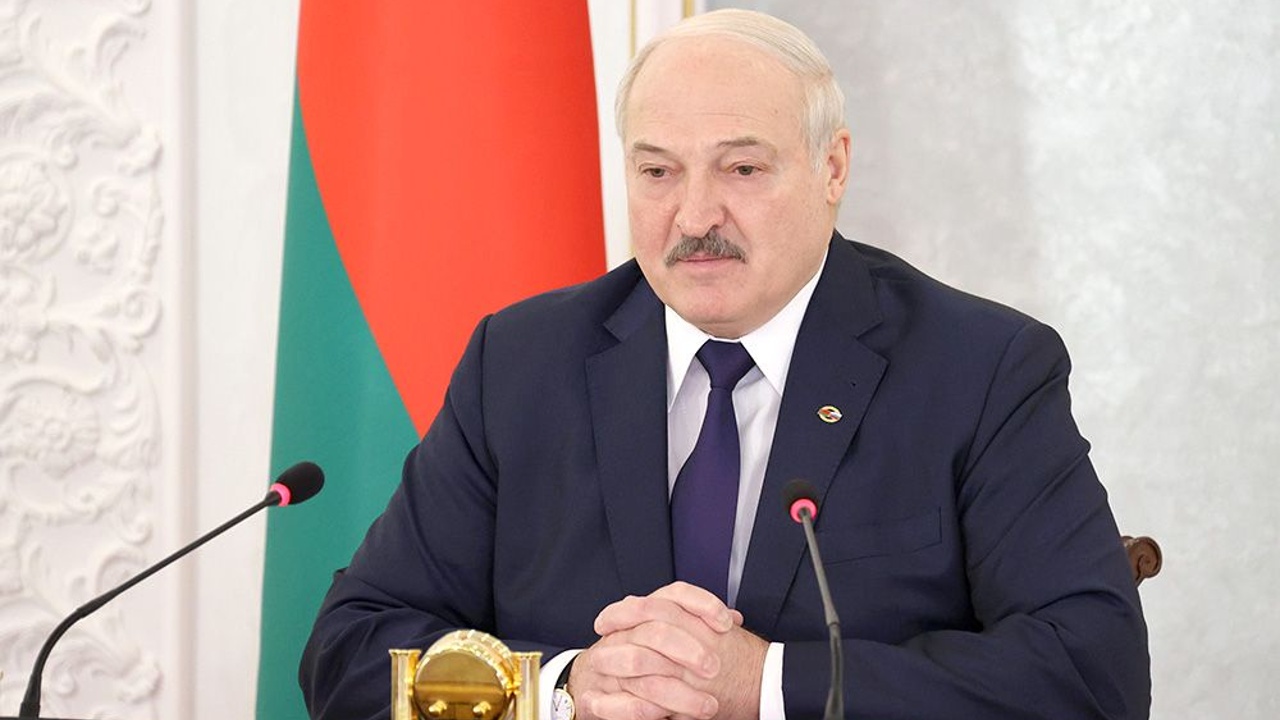
President Alexander Lukashenko used his New Year address to declare 2026 the Year of the Belarusian woman, extolling what he described as the exceptional qualities of women in Belarus while restating his opposition to a female head of state. The speech, footage of which was published by the Telegram channel “Pul Pervogo”, combined celebratory language with a conservative view of political leadership.
Belarusian woman takes centre stage in state messaging
In his remarks, Lukashenko said that nature had created nothing more perfect than the Belarusian woman and emphasised the importance of love within society. He presented the designation of 2026 as an official year to highlight women’s contribution to family and community life, framing the announcement as an occasion to honour traditional roles.
At the same time, the president made clear he is opposed to the idea of a woman serving as president. “This is not a woman’s job,” he said, adding that he was categorically against burdening a woman with that work and asserting that a woman cannot be a dictator. The comments echo long-standing conservative views about gender and power in Belarusian political culture.

Political and social context
The speech arrives against the backdrop of Belarus’s tightly controlled political environment, where public rhetoric often serves multiple purposes. Designations such as a themed year can be used to mobilise public sentiment and to direct attention to state-defined priorities. Observers note that celebrations of national identity and family can also function as a counterweight to calls for political reform or wider social change.
Reactions within Belarus are likely to be mixed. Some citizens and state-aligned commentators may welcome the gesture as recognition of domestic contributions by women. Others, including activists and international observers, may see the president’s comments on female leadership as reinforcing barriers to political equality and reflecting a paternalistic view of gender roles.
Implications for gender discourse
The designation of the Year of the Belarusian woman offers a focal point for discussion about gender policy in Belarus. Promoting recognition of women’s work in caregiving, education and community life could bring attention to issues such as childcare provision, pay equity and social services. However, the president’s rejection of women’s participation in the highest political office highlights a tension between symbolic celebration and substantive equality.
Internationally, the remarks are unlikely to alter diplomatic relations, but they may shape perceptions of the government’s stance on gender and leadership. For domestic audiences, the speech combines praise with a clear political message about who the president believes should hold the nation’s top office.
As 2026 unfolds, the practical effects of naming the year and the policy discussions it prompts will be important to watch. Whether the initiative leads to concrete measures that improve women’s economic and social standing, or whether it remains chiefly rhetorical, will determine its lasting significance.
Key Takeaways:
- President Alexander Lukashenko declared 2026 the Year of the Belarusian woman in his New Year address.
- He praised the Belarusian woman as uniquely perfect and said love is essential to society.
- He reiterated opposition to women holding the presidency, saying it is not a woman’s role.
- The remarks prompted debate about gender roles and the state’s messaging in Belarus.








