











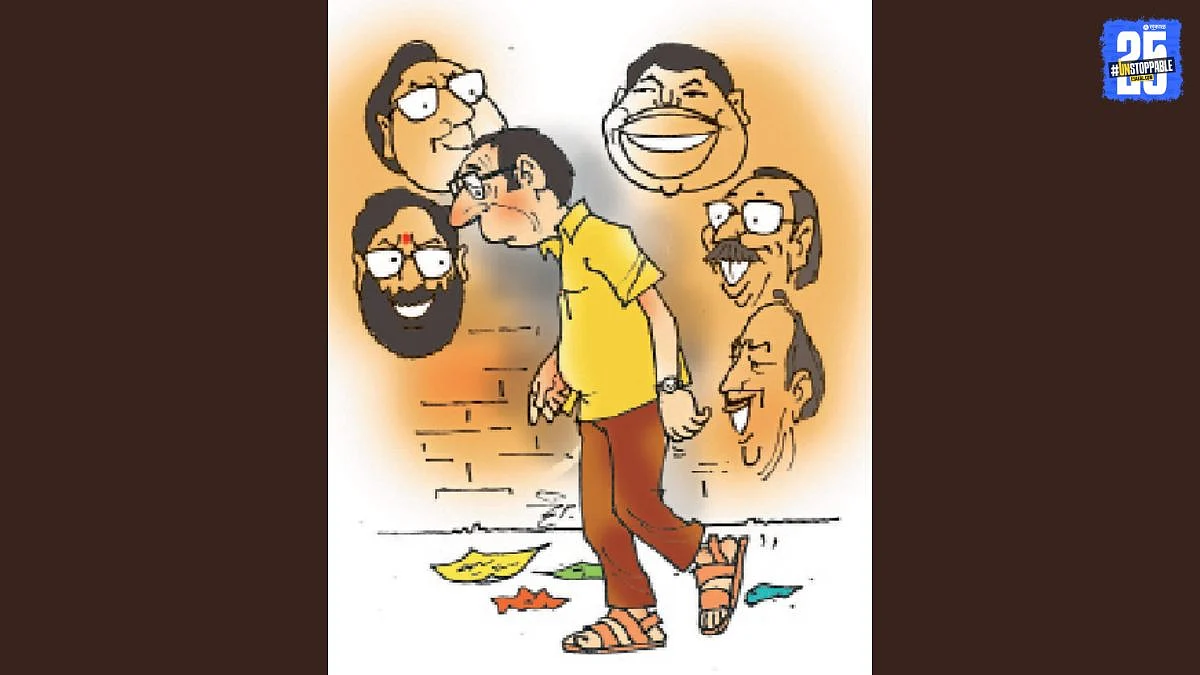
Maharashtra’s recent municipal polls have brought a lengthy period of political calm. While stability can aid administration, several local leaders and voters warn that an extended lull risks blunting democratic contestation and accountability.
Maharashtra municipal elections aftermath
With no major contests on the immediate horizon, many politicians appear to be waiting rather than launching bold new programmes. The absence of a vigorous opposition at municipal level has prompted unease among commentators who say scrutiny and public debate are essential to healthy democracy.
We asked a selection of prominent regional figures what they plan to do over the next three to four years. Their answers reveal a mix of complacency, tactical patience and personal pursuits rather than a unified policy agenda.

Nana-Sahib Fadnavis candidly said that when elections are not imminent or when his party has won, there is little in the way of an organised programme. “Our training is not about governing without contest,” he told us. He added that the party’s priority has traditionally been electoral success, and that future steps would be decided in consultation with party leadership in Delhi. He expressed optimism about Maharashtra’s economic prospects and India’s broader growth trajectory, saying national and international engagements will follow.
Dadasaheb Baramatikar admitted his camp faces challenges and signalled that preparing for the next election remains the primary objective. “Our vehicle often stalls at second gear,” he said, suggesting that organisational renewal is necessary if his group is to advance.
Karmaveer Bhai, the municipal leader from Thane, described a repeated message from national leaders: wait. He said he will comply and use the quiet period to regroup, even if it means remaining on the political sidelines until the next electoral cycle.
Other leaders offered less conventional plans. Udhoji Vandrewale told reporters he intends to revive his interest in photography, though he was vague about whether his new focus will carry civic or campaign value. Rajesaheb of Shivaji Park declared he will continue the urban renewal work he has pursued for two decades, implying continuity rather than change.
A representative voter captured popular frustration: despite a cascade of national and local elections, no leader has outlined a clear development agenda for ordinary citizens. That silence, the voter said, speaks volumes about priorities in local politics.
Analysts say the challenge for Maharashtra’s political class now is to convert the enforced calm into constructive governance rather than passive interlude. That requires parties to present development plans, strengthen local institutions and remain open to accountability. Without those measures, the next electoral cycle may again centre on personality and mobilisation rather than tangible policy outcomes.
For voters, the coming years will test whether political actors use the lull to prepare meaningful reforms or simply to wait for the next contest. Either path will shape local government performance and the broader health of democracy in the state.
Key Takeaways:
- Municipal polls have produced a prolonged calm, raising concerns about weakened opposition and democratic scrutiny.
- Key Maharashtra leaders offered mixed plans for the next three to four years, ranging from political caution to personal projects.
- The focus for many remains preparation for the next elections rather than new governance initiatives.
- Voters lament the lack of concrete development commitments despite repeated elections.








