











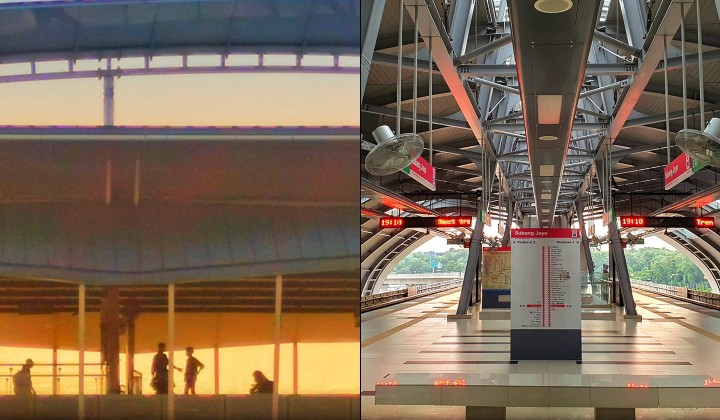
Rapid KL implemented a major ticketing overhaul on 1 January, ending the familiar RM6 day pass and introducing higher fares across its rail and bus network. The new structure raises the daily pass to RM10 and introduces separate pricing tiers for Malaysian citizens and non-citizens, a shift that will affect commuters, families and visitors to Kuala Lumpur.
Malaysia transit pass: what changed and who pays more
Under the revised system, Malaysians can buy the “My50” monthly unlimited travel pass for RM50. Non-citizens face a threefold increase for the equivalent “Bulanan” pass at RM150. Short-term travel options have also been split by nationality: the three-day “Kota” pass for Malaysians is RM25, while international visitors pay RM55 for the “Kembara” pass. The RM6 day pass that many budget travellers relied on is no longer available.
Families receive a weekend and public holiday group option in the form of the “Keluarga” pass, priced at RM30 for up to four people, but this benefit is restricted to citizens. Rapid KL has retained targeted protections: registered Malaysian persons with disabilities receive free unlimited travel via the “Mesra” pass, and students and senior citizens benefit from 50% discounts through the “Pelajar” and “Emas” schemes on regular cash fares.

Officials have framed the reform as part of a broader modernisation. The payment system will emphasise cashless transactions through enhanced Touch ‘n Go integration while continuing to offer traditional tokens across LRT, MRT, Monorail and BRT services. Rapid KL says the new fares reflect rising operational costs and a deliberate move away from subsidising foreign visitors at the same level as locals.
For tourists, the cost of short visits has risen sharply. What would have cost RM18 under the previous arrangement for three days of travel now costs RM55. That fivefold jump for visitors has drawn scrutiny from travel operators and advocacy groups that argue such increases could deter short-term tourism and affect spending in the city centre.
Commuters have expressed concern that the fare rises outpace recent inflation. The move signals deeper budgetary pressure on the transport operator and possibly a rebalanced funding model for public transport in Malaysia. Observers note that the success of the new pricing will hinge on whether passengers see tangible improvements in service reliability, frequency and network coverage for the higher fares they now face.
Rapid KL’s changes mirror policies in some other countries that offer more favourable fares to residents, but the size of the gap between local and foreign pricing in this package is unusually large. Policymakers will need to monitor the social and economic impacts, particularly on visitors and lower-income commuters who do not qualify for citizen-specific discounts.
As the system settles in, attention will centre on service performance metrics and any further adjustments to concessions. For now, Malaysians and international travellers must navigate a new transit reality in the capital, where the familiar RM6 day pass is a thing of the past.
Key Takeaways:
- Rapid KL has replaced the RM6 day pass with higher fares under a new Malaysia transit pass structure.
- Monthly and short-term passes now carry citizenship-based pricing, with Malaysians paying substantially less than foreign visitors.
- Social safeguards retain discounts for students, seniors and registered persons with disabilities, while payment systems are modernised.
- Officials cite operational costs for the change, but commuters will expect service improvements to match higher prices.








