











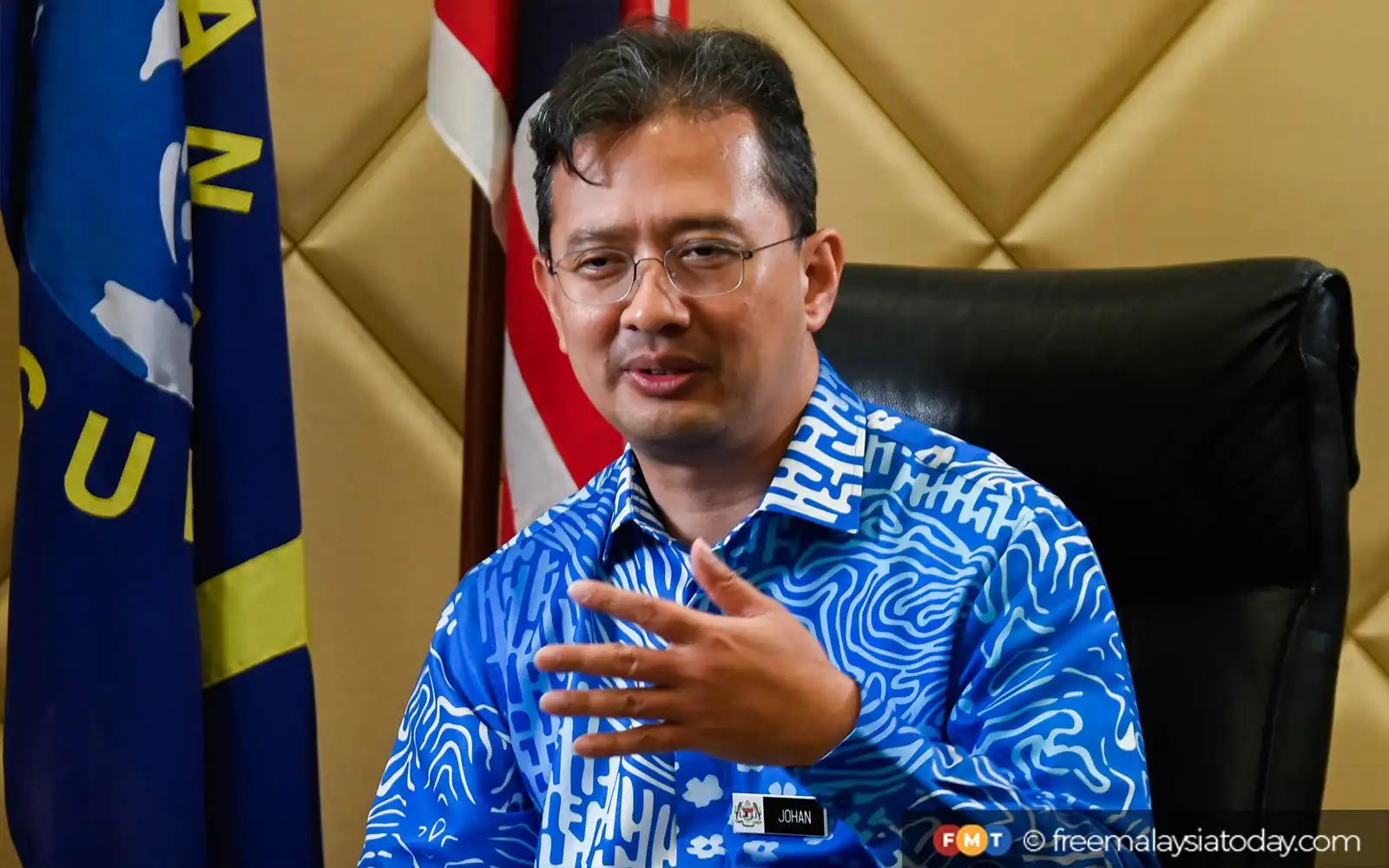
Putrajaya is promoting a tested model of revenue sharing that officials say ensures oil and gas producing states, such as Sabah, receive tangible benefits from energy investments while safeguarding federal finances against global market volatility.
The Treasury Secretary General, Johan Merican, pointed to the commercial cooperation agreement signed between Petronas and Sabah in 2021 as a working example. The deal increased Sabah’s equity participation in projects operated by Petronas and aimed to direct more subcontracting work to locally based contractors. In 2024, the arrangement helped channel contracts worth more than RM2 billion to firms in Sabah.
Malaysia revenue sharing model with Sabah
Johan said the arrangement ensures a more equitable distribution of benefits from ongoing oil and gas investment. He argued the approach could serve as a template for resolving state demands for larger shares of resource revenues while maintaining the constitutional division of roles between federal and state governments.

Over the past year, several states have called for revised revenue sharing. Penang, for instance, asked for a mechanism to share sales and service tax collected within the state. Johor’s heir, Tunku Ismail Sultan Ibrahim, sought 25% of federal taxes collected in Johor. Mr Johan noted that the Prime Minister has reiterated Sabah’s constitutional entitlement to 40% of federal revenue generated in the state.
Johan emphasised that the Constitution provides clear fiscal guidelines, defining revenue sources and spending responsibilities for both levels of government. Federal lists include areas such as defence, education and health. He rejected claims that the federal government simply extracts revenue from states without reinvesting, saying federal spending frequently exceeds amounts collected in each state.
To illustrate reinvestment, Johan cited several federal projects and concessions for Sabah, including the transfer of regulatory control of electricity under MA63 while maintaining energy subsidies. He also drew attention to increased special grants for Sabah and Sarawak and the government’s decision to revive Phase 1B of the Pan Borneo Highway project, a 706km road programme with an estimated cost of RM13 billion.
Despite a long history of oil dividends underpinning national budgets, Johan warned against overreliance on Petronas. He reminded listeners that Petronas is a commercial enterprise that pays dividends from profits and must retain funds for reinvestment. Dividends peaked at RM40 billion in 2022 and fell to RM32 billion in 2023 when oil prices were higher. With lower oil prices now, Mr Johan said dividend levels are unlikely to remain at those peaks.
As a result, the government is broadening its revenue base to protect the federal budget from commodity price swings. Measures include potential expansion of the sales and service tax and more targeted subsidies to preserve fiscal resilience. Johan described these steps as prudent moves to ensure predictable funding for national priorities while responding to legitimate state demands for a fairer share of resource benefits.
Officials say the combination of clearer revenue-sharing arrangements, federal reinvestment in state infrastructure and wider tax measures can both reassure producing states and strengthen Malaysia’s fiscal position in an uncertain global environment.
Key Takeaways:
- Malaysia revenue sharing arrangement between Petronas, Putrajaya and Sabah offers a practical model for fairer benefit distribution.
- Federal investments, targeted subsidies and a RM13 billion Pan Borneo Phase 1B revival demonstrate reinvestment in Sabah and Sarawak.
- Government plans to broaden the tax base and target subsidies aim to reduce dependence on Petronas dividends and strengthen fiscal resilience.








