











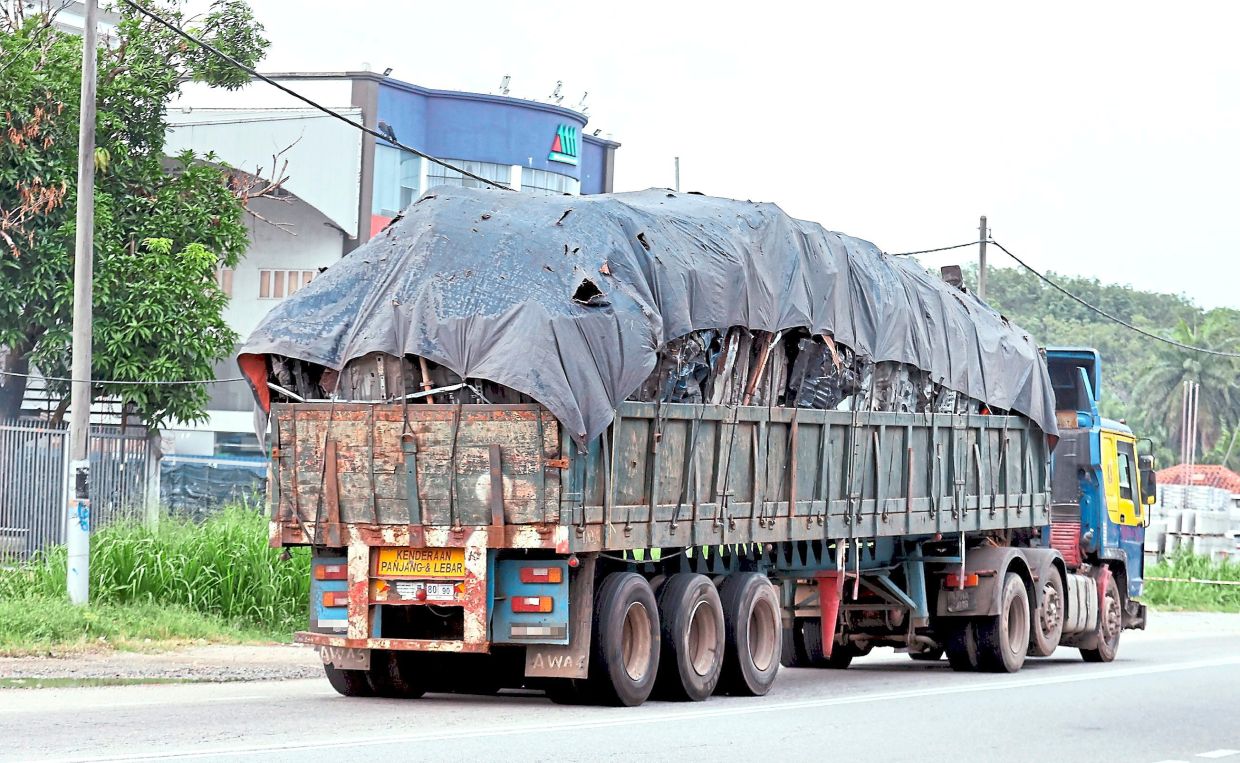
Malaysia’s Transport Ministry is preparing to announce details of a High Speed Weigh-in-Motion system for heavy goods vehicles, a technology designed to weigh moving lorries without disrupting traffic. The system, known as WIM, has been touted as a way to protect road assets, improve compliance and streamline enforcement of weight limits for freight operators.
Minister Anthony Loke first signalled the government’s intention to implement the High Speed-WIM system in January 2025, with a target launch in September of the same year. That deadline passed without a public rollout, and implementation has since been awaited by industry groups and road maintenance authorities. A report in a local Chinese-language daily on 27 December indicates the minister is expected to provide an update this month, renewing attention on the scheme.
High Speed WIM Malaysia
Weigh-in-Motion systems use sensors and cameras to capture the axle loads and gross vehicle weight of vehicles as they move at speed. High Speed WIM variants are capable of operating at highway velocities, allowing enforcement and data collection without forcing heavy vehicles to stop. Proponents argue the systems protect road surfaces by identifying overloaded vehicles, reduce the administrative burden on enforcement agencies and can generate data useful for infrastructure planning.

For Malaysian authorities, the appeal is clear. Overloaded lorries accelerate road wear, increase maintenance costs and pose safety risks. A functioning High Speed WIM network would let authorities target enforcement more efficiently, potentially reducing the need for frequent, costly repairs. It could also level the playing field among hauliers by ensuring load limits are observed.
Industry stakeholders have been watching closely. Freight associations are keen to understand how the system will operate in practice, how readings will be verified and what penalties will follow for breaches. Logistics companies want clarity on any operational changes that could affect routing, turnaround times and compliance costs. Road maintenance agencies will be looking for the programme to deliver measurable reductions in accelerated pavement deterioration.
Questions remain about why the originally announced September 2025 timetable was not met. Possible factors include procurement delays, technical testing and calibration, integration with existing enforcement systems and the need to establish legal and administrative frameworks for using WIM data as evidence. Suppliers and road authorities often require extensive field trials to ensure accuracy, particularly in environments with varied vehicle types and road conditions.
The upcoming ministerial announcement is expected to cover deployment timelines, pilot locations and the legal status of WIM readings. Observers will also seek details on funding, whether the system will be rolled out nationally or in stages, and how the government intends to engage with the freight industry during implementation.
If implemented effectively, High Speed WIM Malaysia could deliver tangible benefits: lower maintenance bills over time, improved road safety and a fairer commercial environment for compliant operators. The system could also support broader transport digitalisation efforts, feeding data into traffic management and infrastructure planning tools. Stakeholders will therefore watch the Transport Ministry’s announcement for clarity on scope, schedule and enforcement arrangements.
Until then, the sector remains in a holding pattern. Hauliers, logistics firms and road agencies will be waiting for the ministry to set out a clear and practical roadmap that turns the promise of weigh-in-motion technology into operational reality.
Key Takeaways:
- High Speed WIM Malaysia is a sensor system that weighs moving lorries without stopping traffic, aimed at protecting roads and improving enforcement.
- Minister Anthony Loke pledged a September 2025 implementation but the system has not yet launched; a local Chinese daily reports an announcement is expected this month.
- Benefits include reduced road damage, fairer freight charges, improved road safety and streamlined enforcement for hauliers.
- Observers will watch for details on procurement, testing timelines and how the scheme will affect hauliers and logistics firms.








