











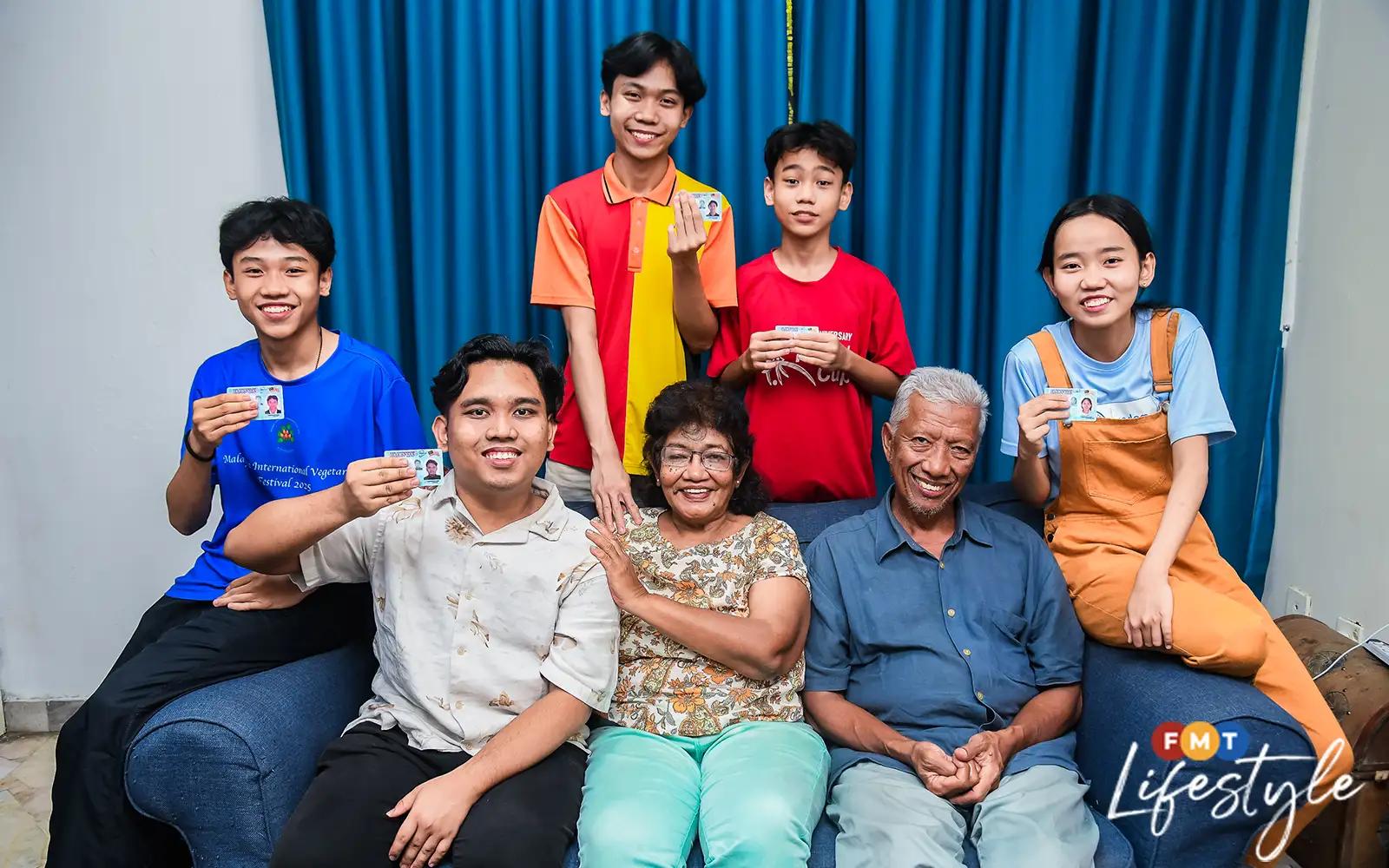
The first morning of 2026 arrived with a tangible change for the Ee siblings. What had been a daily reality of uncertainty is now a settled fact: Ting Sang, Si May, Ting Fok, Ting Kat and Ting Choi are recognised as Malaysian citizens and hold national identity cards.
Born and raised in Malaysia, the siblings grew up without birth registrations or official documents. That lack of paperwork left them without many basic rights and fearful of encounters with authorities. In 2025 the government formally recognised their citizenship and, over the months from July to September, each of the five collected their identity cards.
Ee siblings Malaysian citizenship
For the eldest, 20-year-old Ting Sang, the card represents an ordinary right finally realised. “We were born here. We should have rights in Malaysia — to travel, get a driving licence or open a bank account,” he said. Sixteen-year-old Ting Kat described a new sense of safety. “I feel so happy because before this, when I didn’t have an IC, I was always afraid when I saw the police,” she said.

The siblings’ journey to recognition was driven by a close-knit circle of neighbours and community organisations. At the centre of that effort were Sheila Rahman Natarajan and her husband Abdul Rahman Ishak. Sheila, a former journalist and editor, opened her home to the children and quietly managed years of paperwork and advocacy to secure their status.
Sheila also made a practical interim identity card she called a Kad Pengenalan Anak. It carried essential information to help the children find their way home and gave them confidence in situations when they might otherwise have been lost or afraid. “All children born here deserve to have a life,” she said, adding that education was crucial even if full citizenship was not immediately available.
Neighbourhood support in Bandar Menjalara began to coalesce in 2017 when residents noticed the siblings were not attending school and were left alone while their father worked. The residents’ association rallied help from volunteers of different backgrounds. During the pandemic, the local surau provided food, and neighbours assisted with school enrolment and daily care.
The Dignity for Children Foundation contributed by ensuring access to education. For the youngest sibling, 13-year-old Ting Choi, school was initially daunting but improved with consistent teaching and encouragement. “She never gave up on me. She kept teaching me until I could speak English properly,” he said.
Community figures who assisted included Kunasaigran Alagan, chairman of the Bandar Menjalara Residents’ Association, and other local residents who supported the siblings’ welfare and administrative needs. Today the siblings express gratitude and cautious optimism. “I’m grateful to Auntie Sheila and Uncle Rahman because they pushed for us to get our ICs and they never gave up on us,” said 18-year-old Si May.
The story illustrates how grassroots action and local organisations can resolve long-standing administrative exclusions. With their identity cards in hand, the Ee siblings can now access services and opportunities that were previously out of reach. As they move through 2026, the certainty represented by a small blue card will shape their everyday freedoms and future prospects.
Key Takeaways:
- Five Ee siblings, long undocumented, were recognised as Malaysian citizens in 2025 and collected their identity cards between July and September.
- Neighbourhood volunteers, a former journalist and the Dignity for Children Foundation helped the siblings access education and legal recognition.
- The identity cards provide the siblings freedom to travel, open bank accounts and apply for licences, bringing certainty to their future.








